
Kerala is aggressively pursuing a target of zero snakebite fatalities, deploying a multifaceted action plan that includes bolstering treatment facilities, enhancing surveillance, and even exploring local antivenom production. This push comes amidst official declarations that snakebite envenomation is now a disease of public health importance, requiring stringent reporting and intervention. The state government’s stated ambition to eliminate deaths from snakebites, however, unfolds against a backdrop of past shortcomings and existing dependencies, suggesting the path ahead is anything but straightforward.

Health Ministry’s Directive and Ground-Level Preparedness
The Health Minister, Veena George, has outlined a comprehensive strategy focused on prevention, expedited treatment, and more robust surveillance. Central to this is the identification of "hotspot" hospitals—those with a higher incidence of snakebite cases—which will receive enhanced support. Primary Health Centres (PHCs) and Community Health Centres (CHCs), particularly in remote and underserved areas, are to be stocked with anti-snake venom (ASV). This move aims to ensure that prompt treatment is available even where access to advanced medical facilities is challenging.
Read More: India IVF Costs And Social Barriers Limit Access In April 2026

Localizing Antivenom Production: A Strategic Imperative
A significant component of Kerala's plan involves establishing a local facility for venom collection and antivenom production, using venom from snakes native to the region. This initiative stems from long-standing concerns that the current antivenom supply, primarily sourced from the Irula Tribal Cooperative Society in Tamil Nadu, may not be fully effective against the venom of all snake species found within Kerala's unique ecosystem. The state aims to achieve zero snakebite deaths by 2030, a timeline linked to this aspiration for localized antivenom efficacy. This effort appears to be a direct response to the observed limitations of a centralized, singular source for antivenom production, which the Centre has reportedly not expanded or diversified.
Addressing Disparities and Historical Trends
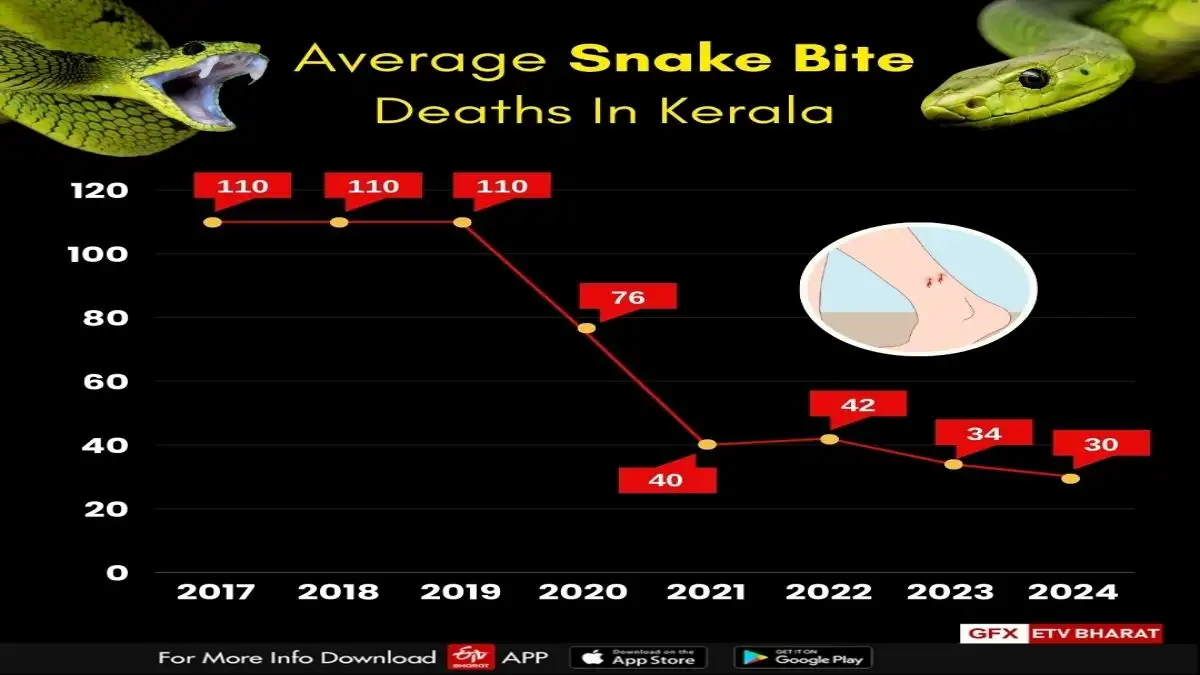
Experts have highlighted a persistent, deeply concerning trend: children and socially marginalized communities continue to bear a disproportionate burden of snakebite fatalities. This raises questions about the reach and equity of current public health interventions. Historically, Kerala has recorded an average of 20 deaths annually due to snakebites. However, more recent data indicates a potential decline, with one report claiming a drop from 110 deaths to just 30 following a treatment program, and another stating that only 12 deaths occurred after a similar intervention. Conversely, other reports suggest a rise in deaths, with 540 fatalities from snakebites out of 847 wild animal attack deaths over the last decade. In 2024 alone, 26 out of 30 snakebite deaths were attributed to a lack of prevention and timely treatment. These varied figures, though presented as successes, also underscore the complexities in data collection and the challenges in achieving consistent outcomes.
Read More: Kerala Health and AYUSH Departments Link for Dengue Control in 2026
Broader Initiatives and the Role of Technology
Beyond medical interventions, the state has launched projects like ‘Pambu Vishabhada Jeevahani Rahita Kerala’ (Snake Poisoning-Free Kerala) to bolster treatment programs. The Forest Department is also training volunteers, including members of tribal communities, in venom extraction techniques. The success of the SARPA (Snake Awareness, Rescue, and Protection App) initiative is also cited, with the app providing information on snake species, treatment centers, and contact details for rescuers. This app's five-year mark is reportedly coinciding with a sharp decline in snakebite deaths.
Read More: Georgia Toffolo's Lake Como Trip After Fertility Talks
Background: A Persistent Public Health Challenge
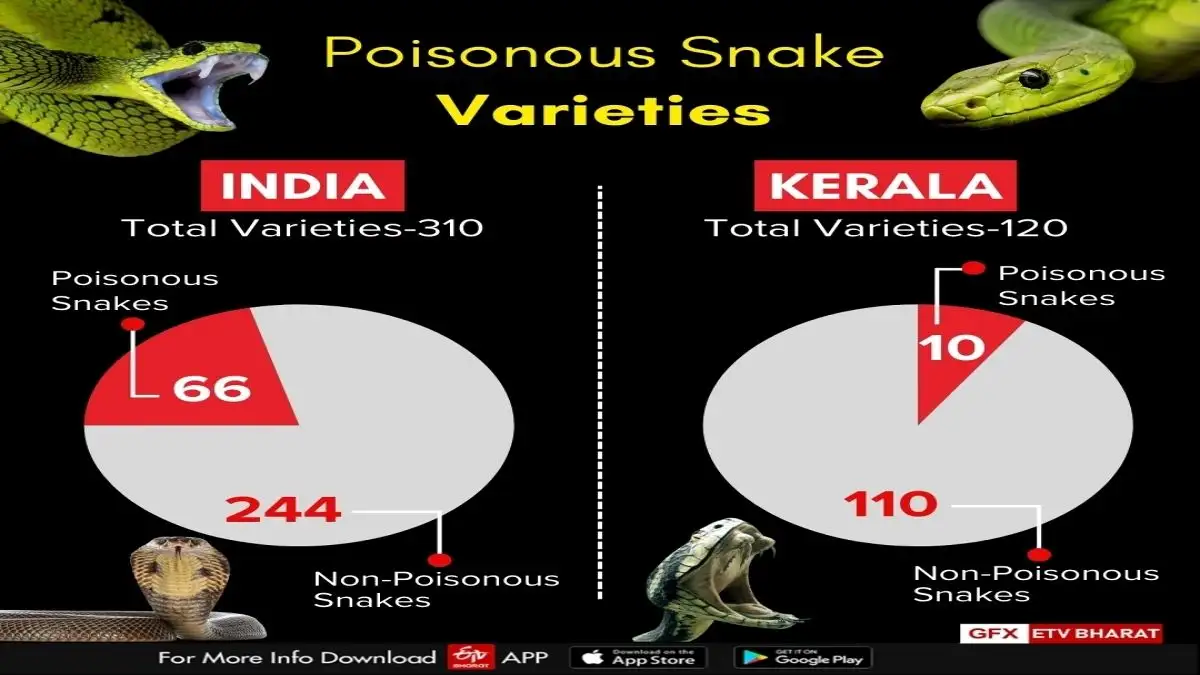
Snakebite envenomation remains a significant public health issue in India. With approximately 310 recorded snake species, ten of which are venomous in Kerala alone, the potential for encounters is substantial. The effectiveness of antivenom is known to vary regionally, influenced by factors such as the specific snake species involved and the geographic topography. The declaration of snakebite as a notifiable disease under the Public Health Act, a step previously absent in Kerala, mandates immediate reporting to Public Health Officers for swift intervention. This regulatory change signals a more formalized approach to tackling the problem, moving from ad-hoc responses to structured public health management. The ultimate goal, as articulated by officials, is to not just reduce but eliminate these preventable deaths, a target that necessitates sustained and coordinated efforts across various governmental and community spheres.
Read More: Five POCSO cases filed in Kasaragod after minor assault on 7 April 2026