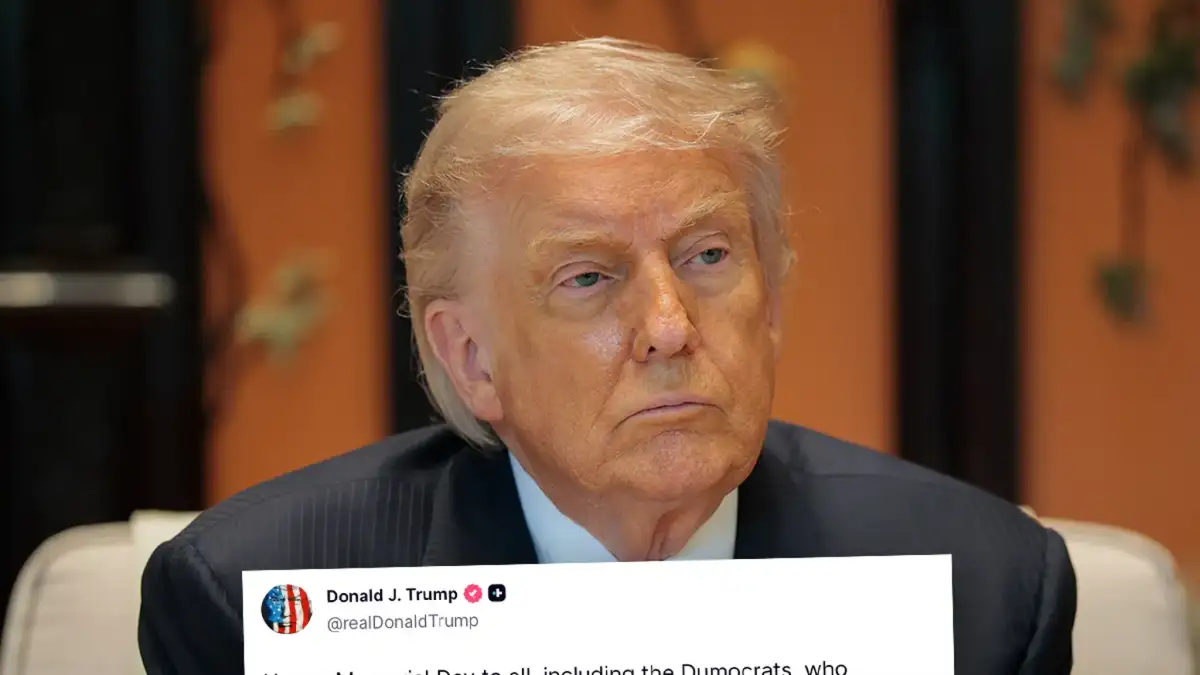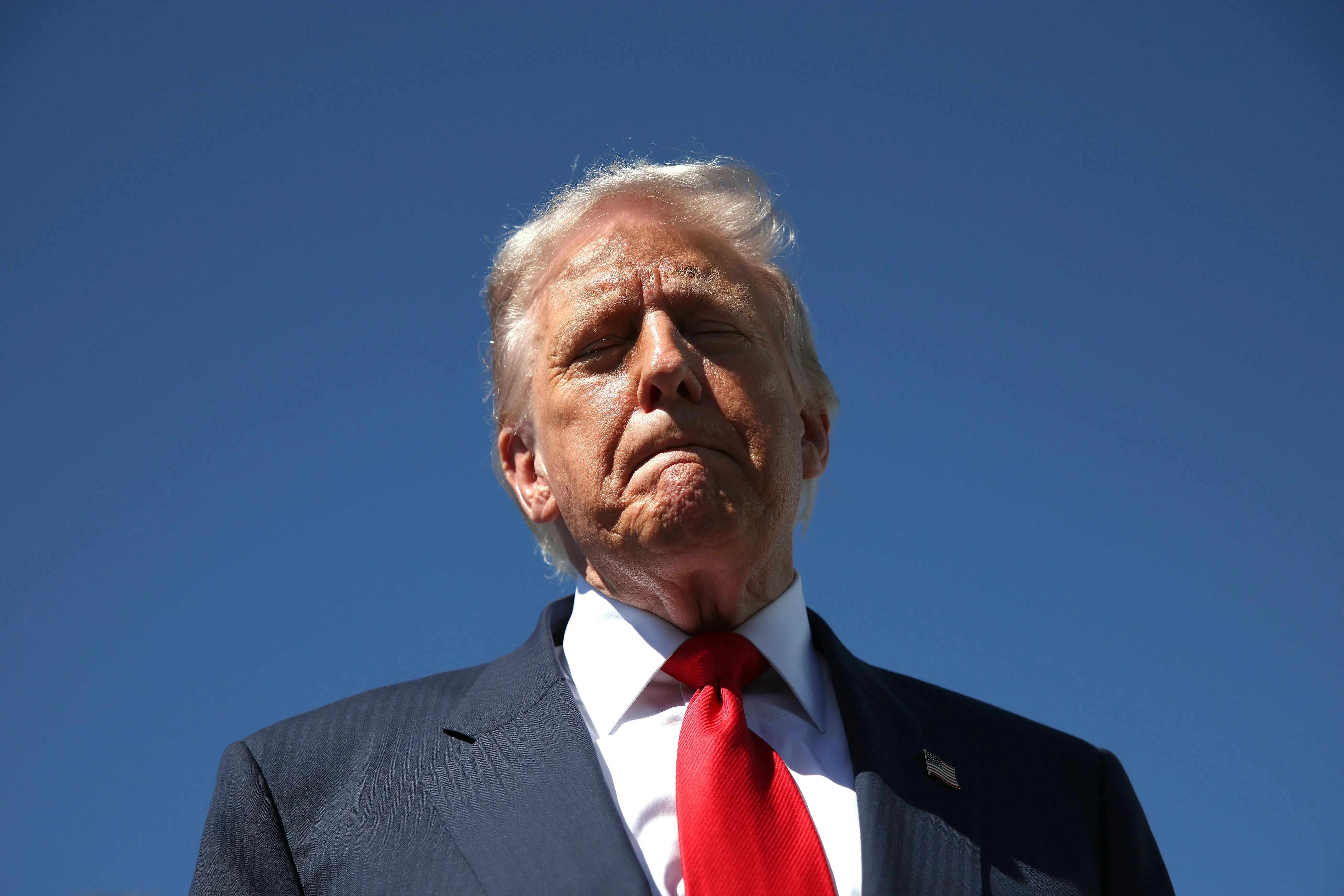
The recurring visits of Donald Trump to the Walter Reed National Military Medical Center, particularly his third trip within a 13-month span, have rekindled concerns regarding the administration's candor about his health. While the White House has characterized the latest appointment, scheduled for May 26, as a standard medical and dental check-up, independent medical professionals observe a pattern of insufficient transparency surrounding the 79-year-old president's well-being. This apprehension is amplified by Trump's age, making him the oldest U.S. president upon his inauguration and approaching 80.
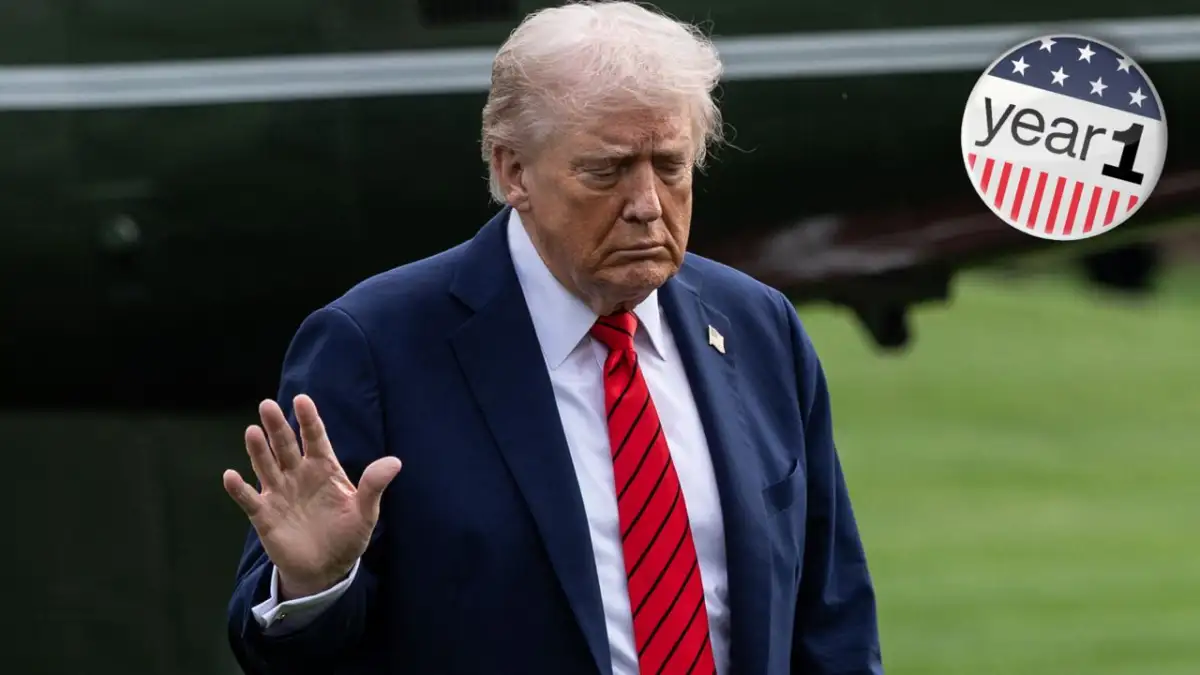
The pattern of scrutiny intensified after a previous visit, which led to weeks of unanswered questions regarding specific diagnoses and procedures. Health Transparency remains a focal point for medical observers. The White House has often characterized these appointments as routine, with one report from October 2025 stating Trump was in "exceptional health" following a checkup that included lab tests and preventive health assessments. His physician noted his "cardiac age" was approximately 14 years younger than his chronological age.
Read More: Trump's Memorial Day speech mixed honoring soldiers with online attacks
However, these assurances have been met with skepticism. A former White House physician pointed out a disconnect between the claimed procedures and the time spent at Walter Reed during an early October 2025 visit, suggesting additional, undisclosed medical work may have occurred, including a previously unannounced MRI. This fuels the debate over whether the White House adequately discloses the extent and nature of Trump's medical evaluations.

Underlying Concerns and Public Perception
Trump himself has largely dismissed concerns about his health, with supporters often citing his demanding schedule, rallies, and media presence as indicators of his stamina. Yet, public opinion polls have reflected unease; a past survey indicated that 55 percent believed he was not in good enough health to serve effectively, while 44 percent disagreed.

The president's age and his status as the oldest person elected to the presidency inevitably draw attention to his physical and cognitive condition. Past medical reports have noted issues such as swelling in his lower legs, attributed to chronic venous insufficiency, and frequent bruising on his hands, which his team explained as a side effect of aspirin use for heart health.
Read More: Trump Medical Review at Walter Reed Today, May 26
Historical Context
This latest visit marks Trump's fourth to medical experts since entering the White House. His health has been a recurring subject of public discussion and media coverage throughout his presidency, punctuated by these hospital visits and official pronouncements that often contrast with the ongoing speculation. The pattern of official statements emphasizing robust health juxtaposed with independent medical questions about transparency underscores a persistent tension in how Trump's well-being is communicated to the public.