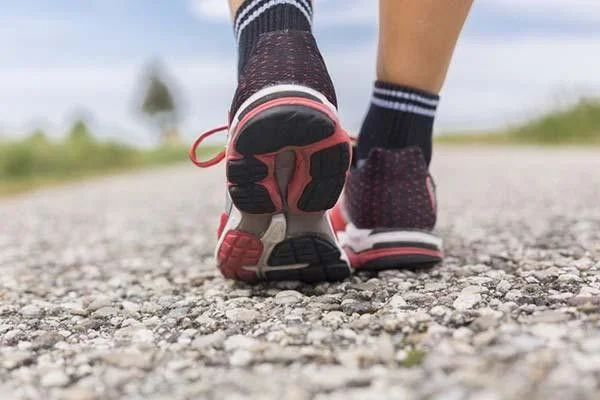
NEW RESEARCH SUGGESTS ALTERING WALKING PATTERNS CAN MITIGATE JOINT PAIN AND ARREST DEGENERATION.
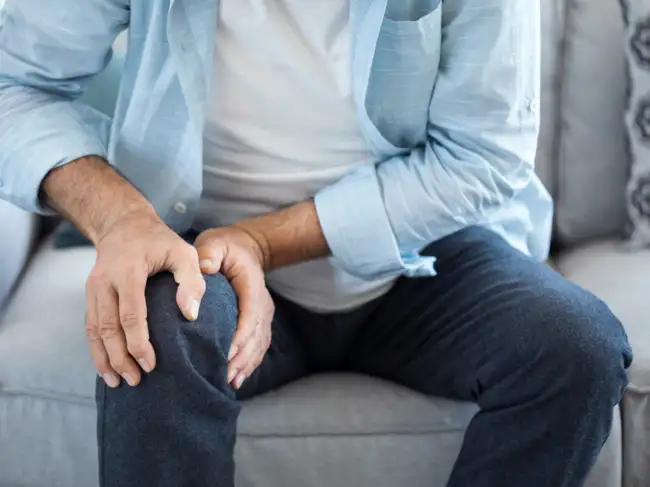
Recent studies point to a seemingly minor alteration in locomotion – specifically, a personalized adjustment to foot angle during walking – as a method for significantly easing the discomfort of knee osteoarthritis. This approach, which involves a deliberate shift in how one strikes the ground, has demonstrated effectiveness comparable to common pain medications and, intriguingly, shows signs of slowing the wear and tear on knee cartilage.
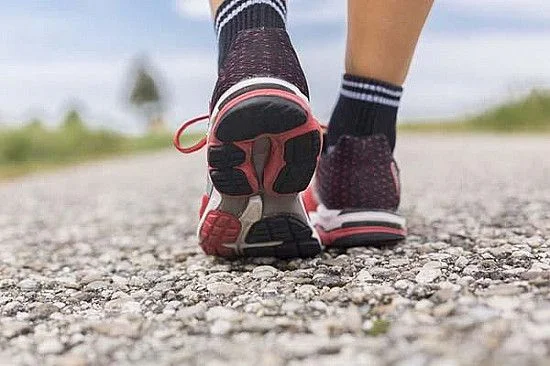
The core of this development lies in a year-long clinical trial where participants were guided to adopt a specific, individualized foot angle. This subtle recalibration of their stride, maintained within a narrow margin of error, appears to redistribute pressure away from the most affected parts of the knee. MRI scans from one trial indicated a less pronounced degeneration of cartilage in the group that modified their gait compared to a control group.
Read More: Trump's May 26 Walter Reed Visit Raises Health Transparency Questions

BEYOND PAIN RELIEF
The implications of this gait retraining extend beyond mere symptom management. The observed slowing of cartilage damage suggests a potential to alter the long-term trajectory of the degenerative condition. Unlike pharmaceutical interventions, this method is described as non-invasive, focusing on the mechanics of movement to manage the body's force distribution.
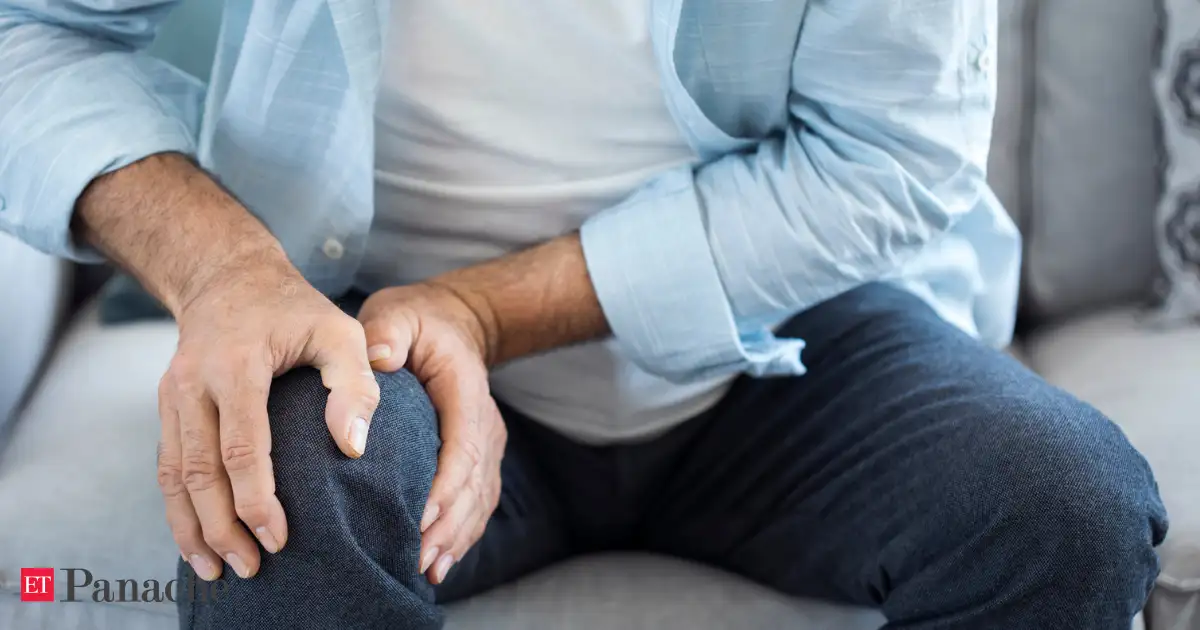
However, a significant caveat emerges: this is not a DIY solution. Researchers and medical professionals emphasize that attempting these adjustments without professional guidance risks exacerbating the condition. The personalized nature of the optimal foot angle, and the need for proper muscle engagement during the modified walk, necessitate expert assessment.
THE LONG ROAD TO ADAPTATION
Gait retraining, as it's termed, is presented as a practice requiring consistent effort. The research indicates that participants in controlled trials were monitored to ensure adherence to their prescribed angles. While initial studies offer promising results, they also underscore that this is not an immediate fix. The process involves learning and reinforcing a new way of moving, a habit that may take time to solidify and yield its full benefits.
Read More: 1400s Chinese Surgeon Tools Show Earliest Anesthetic Use Proof
The condition itself, osteoarthritis, commonly affects individuals over 40, with the knees being a frequent site of pain and mobility issues. Traditional advice for managing knee osteoarthritis often includes muscle strengthening, stretching, and balance exercises. This new approach adds a mechanical dimension to these existing strategies, potentially offering a complementary or alternative pathway for those seeking relief.