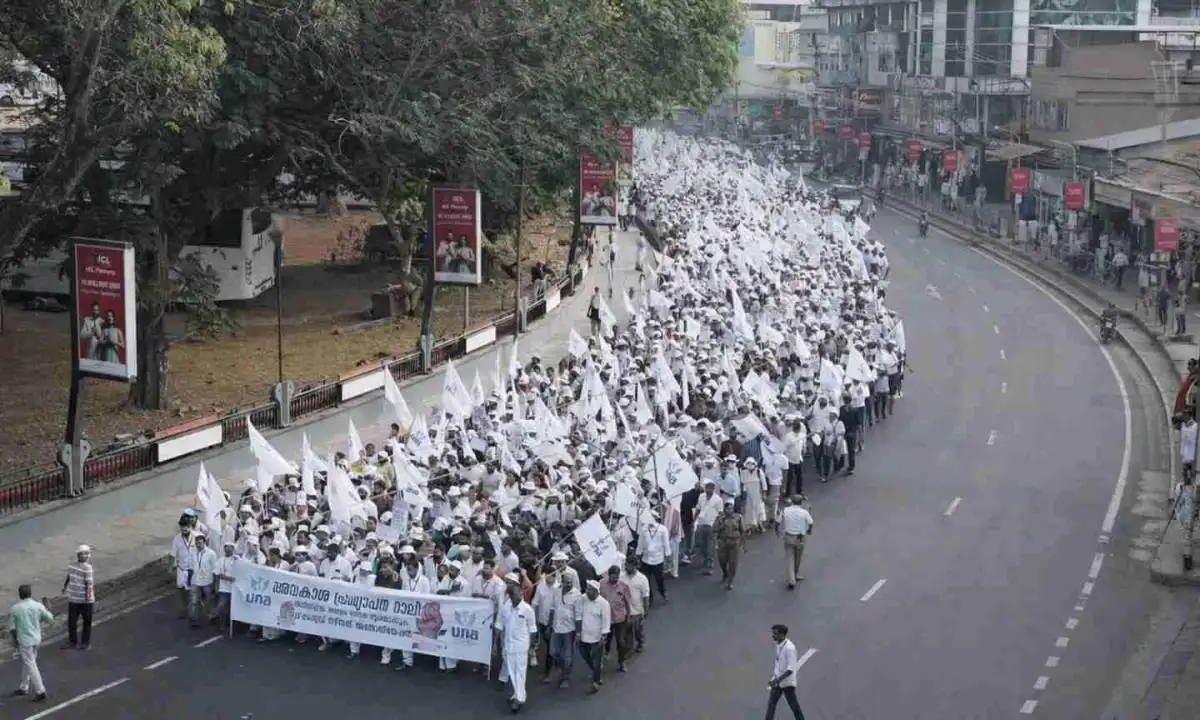
KOCHI - A significant number of nurses across Kerala's private healthcare institutions have initiated an ongoing, indefinite strike, a direct consequence of what they describe as years of unaddressed demands for wage revision and improved working conditions. The core of their protest revolves around a demand for a minimum monthly salary of ₹40,000, a figure they argue is commensurate with their responsibilities and is lagging far behind government sector compensation.
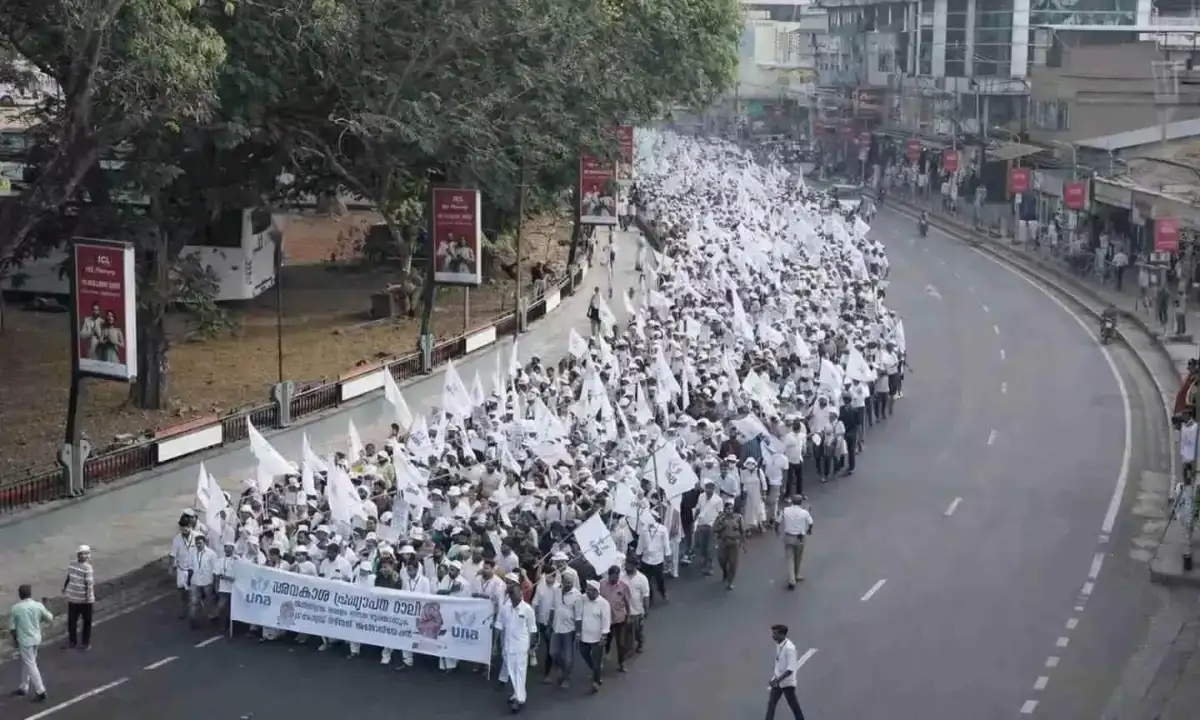
The strike, which began on March 4th, has impacted services in an estimated 490 private hospitals and clinics, although emergency services remain operational. A section of nurses, estimated to be about one-third of the workforce in private hospitals, have continued to offer services, according to reports from the initial days of the strike. The United Nurses’ Association (UNA), a prominent group leading the agitation, claims that 13 hospitals have already agreed to raise nurses' salaries to ₹40,000, thereby exempting them from the protest. However, the association alleges that larger hospital groups have been hesitant to meet these demands.
Read More: NHS official Ms. Jones steps back from Palantir contract on 7 April 2026
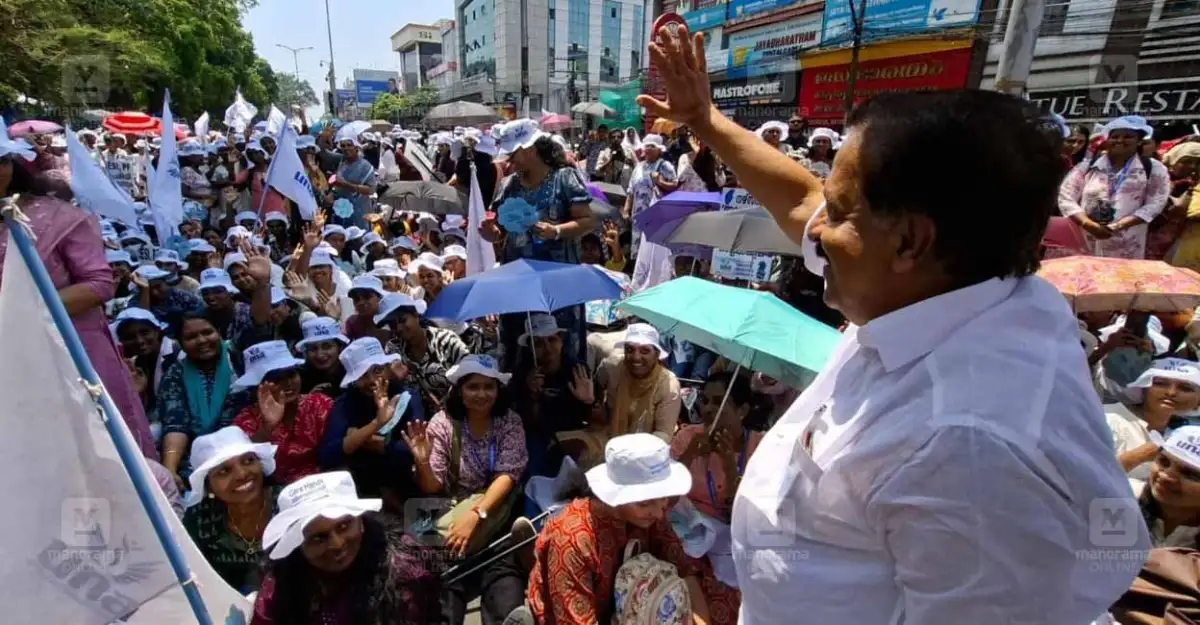
The dispute highlights a stark pay disparity, with UNA representatives stating that government nurses earn approximately ₹60,000 monthly, inclusive of allowances, while many private sector nurses receive less than ₹20,000 for comparable work. This has led to what is described as a 'brain-drain' within the sector, as nurses seek better remuneration and conditions abroad or in other Indian states. A draft government notification for a revised basic pay, proposing a minimum wage between ₹25,450 and ₹28,000 for private nurses, with senior nurses potentially earning up to ₹33,080, has failed to pacify the striking nurses. The UNA has rejected this proposal, insisting on their ₹40,000 minimum demand.

Hospital Management's Stance and Internal Agreements
The narrative from hospital administrations often points to the financial pressures faced by smaller institutions, which may find it difficult to meet the proposed salary hikes. Despite this, some hospitals have reportedly entered into agreements with the UNA. In at least seven such hospitals, an agreement has been reached that includes the abolition of the practice of appointing trainee nurses and sets a starting salary of ₹32,750 for nurses. This has resulted in a gross salary increase of ₹8,000 to ₹12,000 for existing staff in these specific institutions.
Read More: SAG-AFTRA Members Approve New Contract With Studios

Conversely, a starker message has emerged from the human resources departments of some hospitals. Reports detail instances where nurses were allegedly informed by HR that they must either return to work or face termination. Such messages, characterized as "blunt" by one nursing trainee, have fueled sentiments of fighting for dignity alongside better wages.
A Wider Context of Healthcare Disparities
Kerala, despite its recognition for strong public health indicators, presents a complex picture regarding healthcare compensation. The state's private sector employs an estimated 75,000 nurses across approximately 1,500 hospitals, forming a crucial part of its healthcare infrastructure. Their long-standing grievances extend beyond wages to include extended working hours and limited avenues for career advancement within the private sector.
"Even when the treatment cost rose and hospitals expanded, the salaries of nurses remained unchanged,” said UNA national president Jasminsha.
The current unrest echoes a broader concern about the compensation structure within the private healthcare industry nationwide. A committee that examined hospitals across 28 states and eight Union Territories had previously recommended that nurses in private hospitals should receive salaries comparable to those in the government sector. The current situation in Kerala appears to be a localized manifestation of this persistent, sector-wide challenge.
Read More: Scotland Kidney Policy Changes Cause Patient Worry