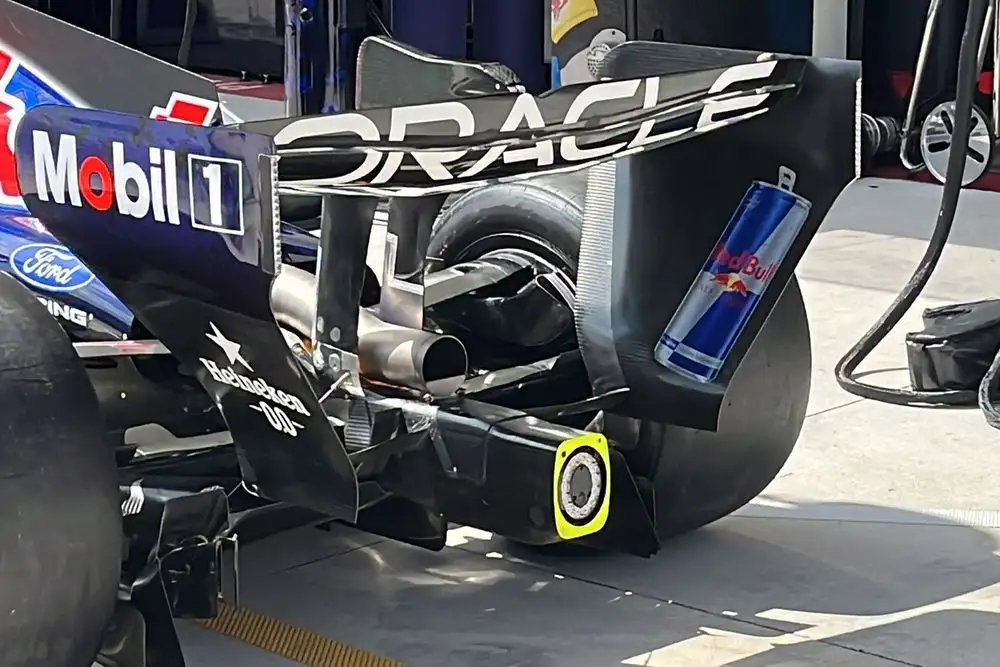
Red Bull has introduced a significantly revised rear wing for the Miami Grand Prix, a design that draws clear parallels to Ferrari's earlier "Macarena" wing concept but with distinct technical adaptations. The new Red Bull component, which appeared on track during a Silverstone filming day and is now at the Miami event, represents a substantial upgrade package aimed at addressing the team's performance challenges this season. While Ferrari's initial iteration allowed for a rotation of up to 270 degrees, Red Bull's interpretation focuses on a reduced range of rotation, prioritizing quicker deployment and operational robustness over potentially higher peak aerodynamic efficiency.
The divergence in Red Bull's approach suggests a strategic choice to balance performance gains with the speed of development and reliability. Technical analyses indicate that Red Bull's engineering philosophy emphasizes a faster rollout of the technology, potentially yielding benefits across multiple races more rapidly than Ferrari's more complex system. This comes as the team, currently level on points with Alpine in the championship standings, seeks to overcome performance deficits, particularly against early frontrunners like Mercedes.
Read More: George Russell Struggles: 43 Points Behind Teammate Antonelli
Technical Dissections of the Wing Concepts
Ferrari's original "Macarena" wing, first seen during pre-season testing in Bahrain, featured a system that could rotate substantially to optimize drag reduction. However, reports suggest Ferrari has intermittently reverted to more conventional designs and was observed testing an updated version at Monza.
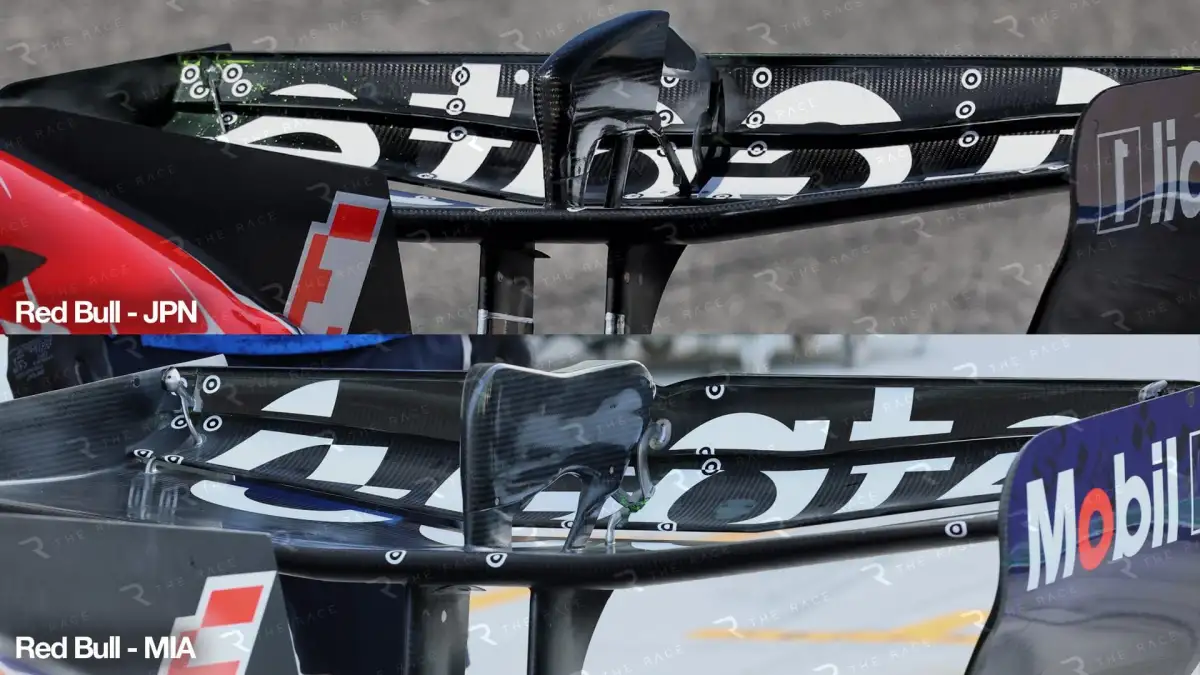
Red Bull's version, also dubbed the "Macarena" wing by observers, is characterized by a different activation mechanism and a potentially more radical design.
| Feature | Ferrari's "Macarena" Wing | Red Bull's Interpretation |
|---|---|---|
| Rotation Range | Up to 270 degrees | Reduced range, specific degrees vary by report |
| Design Philosophy | Maximum aerodynamic efficiency | Speed of deployment, operational robustness |
| Actuation | Structural complexity noted, absence of central actuator aids airflow | Specific mechanism details less clear, but a focus on simpler validation |
| Deployment Speed | Potentially longer due to larger rotation | Faster activation and closing time |
| Testing | Bahrain pre-season, Suzuka practice | Silverstone filming day, Miami GP debut |
| Development Goal | To reduce drag in straight-line mode | To address aerodynamic balance issues |
Context of Aerodynamic Development
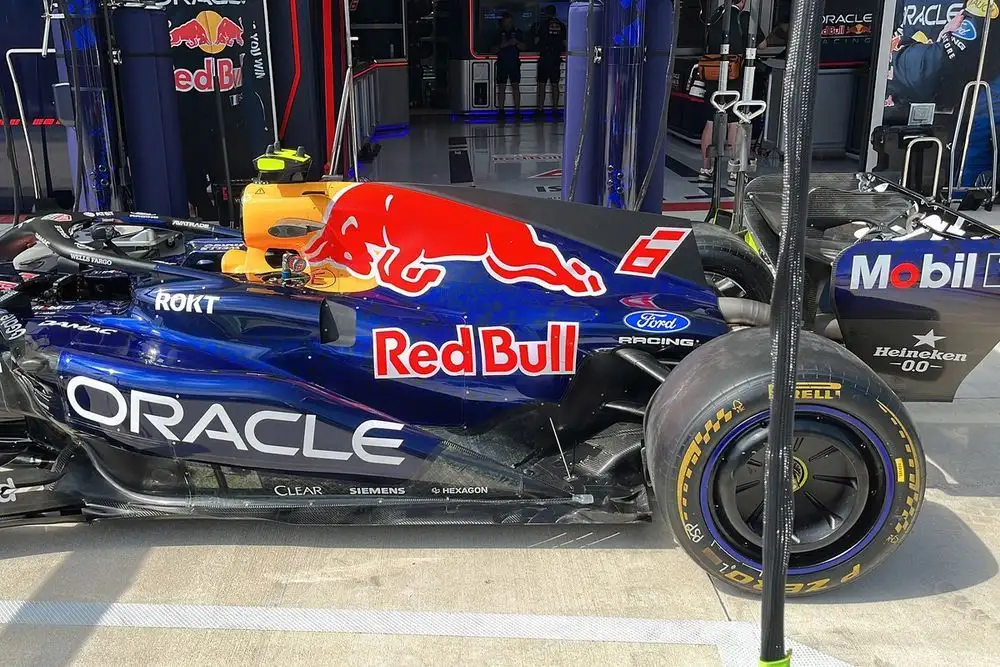
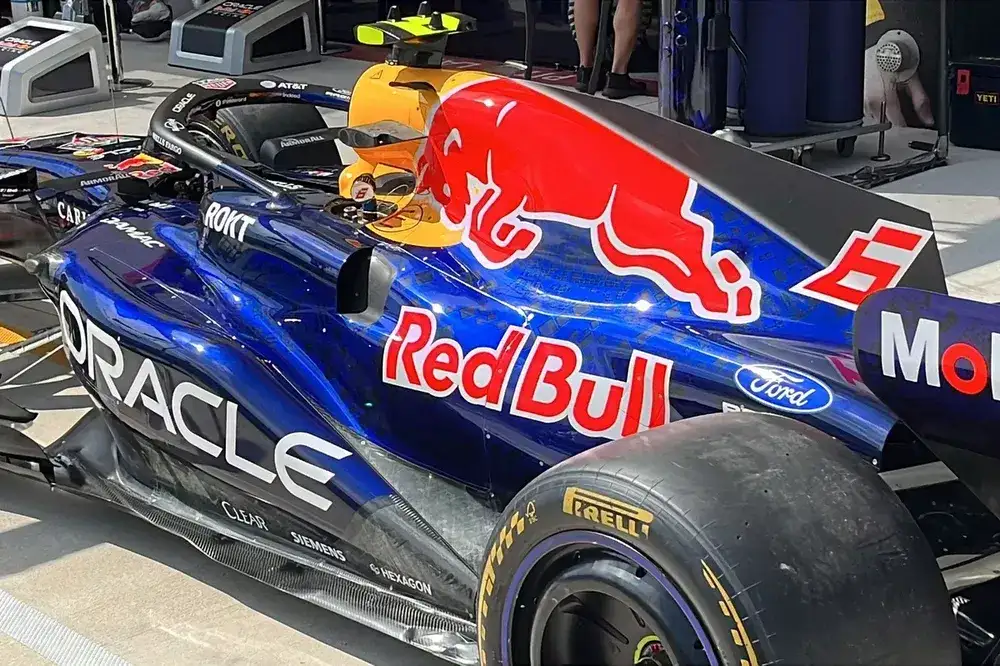
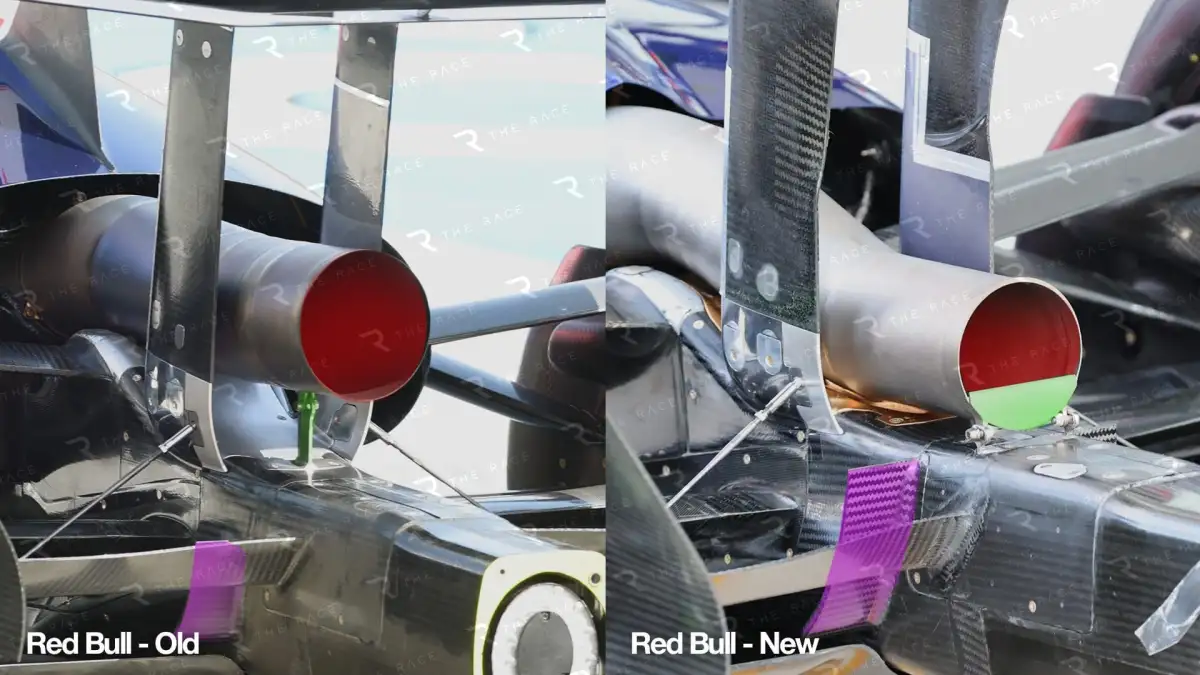
The introduction of Red Bull's new rear wing arrives amidst a flurry of upgrades across the Formula 1 grid, with Miami serving as an early proving ground for these innovations. The team's overall upgrade package for Miami is reported to include weight reduction measures and revised sidepods, indicating a broad effort to re-evaluate their aerodynamic philosophy. This intensive development push places Red Bull alongside Ferrari and McLaren as teams heavily investing in early-season aerodynamic advancements.
Read More: Miami Dolphins Move James Ester to Offense Today, Changing Team Plan
The genesis of these innovative wing designs can be traced back to the FIA's regulatory landscape, which has opened new avenues for aerodynamic creativity, particularly with the phasing out of DRS and the integration of active aerodynamics. Both Red Bull and Ferrari appear to be exploring distinct pathways within this evolving technical environment, making the Miami Grand Prix a critical juncture to assess the effectiveness of their competing interpretations.