Dry Summer Forecast Pushes Heat Index
The India Meteorological Department (IMD) expects fewer summer rains for Kerala in the coming weeks, leaving the landscape to bake under a sun that now sits almost straight overhead. Temperatures have already breached the 38°C mark in Kannur and Kottayam. This raw heat, when mixed with air carrying more than 60% humidity, forces the heat index—the measure of how the human body actually feels the temperature—to dangerous levels.

Sunlight hits the ground with more weight as cloud cover thins.
High humidity in the lower atmosphere prevents sweat from cooling the skin.
' Heat Index ' levels are highest in spots where the mercury climbs past 37°C.
' IMD Kerala ' director Neetha K Gopal suggests southern districts might see slightly lower maximums, but the overall trend remains warm.
The Friction of Forecasts
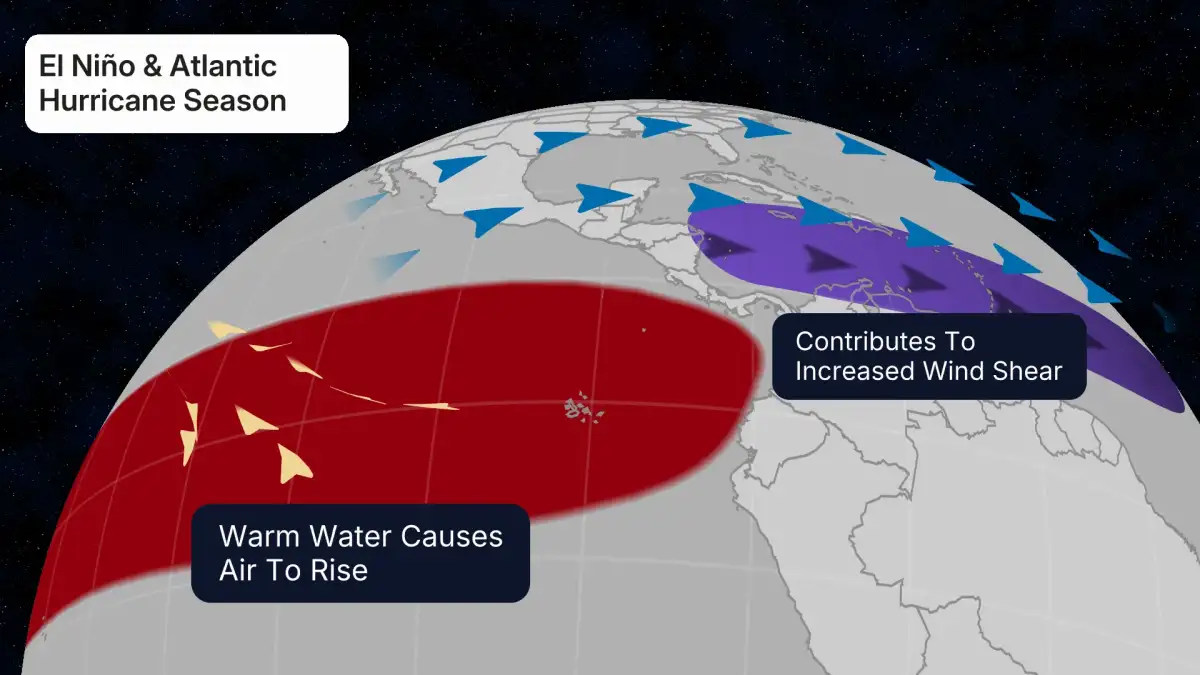
While current readings are sharp, some experts argue this summer might not bite as hard as the previous year. The Pacific Ocean remains in a neutral state for now, though a ghost of El Niño looms for the later months, which could starve the monsoon. In the north, the transition is just as uneven; while places like Rajkot hit 42°C, parts of West Bengal and Odisha expect erratic thunderstorms.
Read More: El Niño May Come to Australia, Weather May Change

| Region | Condition | Outlook |
|---|---|---|
| North Kerala | High Heat | Peaks above 38°C; dry soil. |
| South Kerala | Below Normal | Slightly cooler maximums predicted. |
| Highlands | Mild | Temperatures staying near or below normal. |
| Gujarat | Extreme | Rajkot leading the country at 42°C. |
Health and Harvest Risks
The Kerala State Disaster Management Authority (KSDMA) issued warnings regarding prolonged exposure to ultraviolet rays. The sun is not just hot; it is corrosive to those working outdoors.

Dehydration and heatstroke are the primary fears for fishermen and construction crews.
In the fields, ' Winter Crops ' like wheat and chickpeas face reduced yields as the grain fails to bulk up in the warmth.
Energy demand is climbing, twitching the stock prices of power companies like Adani Power and NTPC.
"The state has been experiencing heatwave conditions for the first time… this temperature fluctuation leads to intense rainfall later, as air carries more moisture than normal." — IMD Scientist framing the shift from dry heat to sudden deluge.
Investigative Note: The Crumbling Calendar
The weather in Kerala is losing its old rhythm. Historical data suggests the state usually sees rain for 140 days a year, but recent studies show a ' Decline in Rainy Days ' even as total rainfall volume remains high. This means the water comes in violent, short bursts rather than steady, life-giving drizzles.

The bureaucracy is reacting with "Cool Roof" projects and 5,000 water kiosks, attempting to fix a planetary shift with local hardware. The "pleasant and equable" climate promised by tourism brochures is increasingly interrupted by ' Orange Alerts ' and heat stress warnings.
Read More: Guntur Hospital Gets New PET Scan for Better Cancer Checks
Background: A Tropical Transition
Kerala’s climate is defined by the Southwest Monsoon (June) and the Northeast Monsoon (October). March is traditionally the hottest month, but the current verticality of the sun combined with a lack of pre-monsoon showers is stripping the moisture from the land faster than usual. The seasonal transition is no longer a smooth curve but a series of jagged spikes in temperature and humidity.