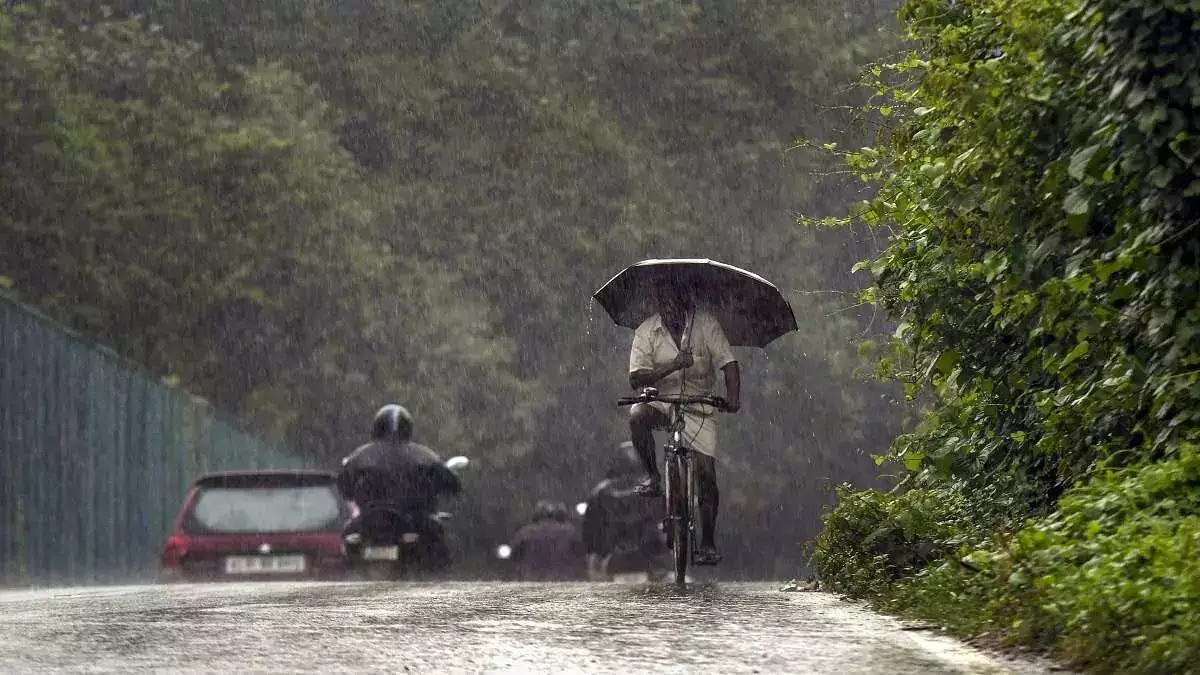
The Kerala State Disaster Management Authority (KSDMA) has issued a fresh round of thermal warnings across the state. As of March 11, 2026, temperatures are expected to climb to hazardous levels, with Kannur peaking at an estimated 38°C, followed by Palakkad and Kasaragod at 37°C.

Regional atmospheric conditions—characterized by high humidity and climbing heat—necessitate a yellow alert status across eight districts, excluding hilly terrains where elevation offers minor relief.

Thermal Exposure Thresholds
| District | Forecasted Peak Temp |
|---|---|
| Kannur | 38°C |
| Palakkad, Kasaragod | 37°C |
| Alappuzha, Kottayam, Thrissur, Malappuram, Kozhikode | 36°C |
Citizens are advised to restrict movement during the peak solar intensity window of 11:00 AM to 3:00 PM.
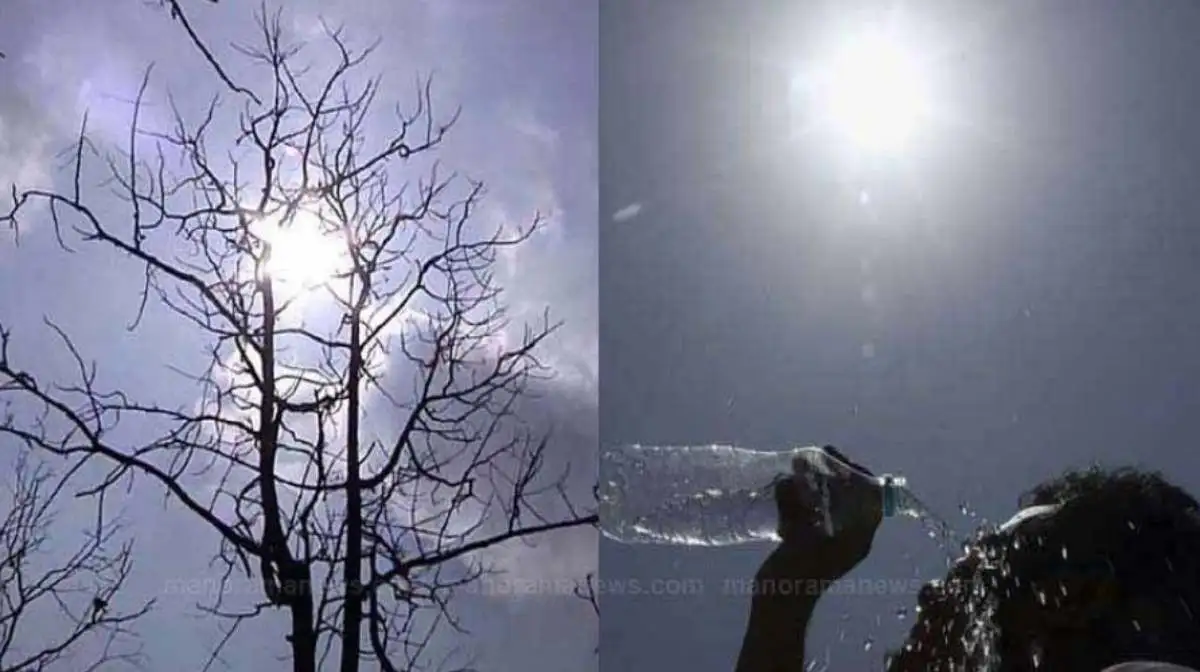
Mandatory hydration protocols: Intake of clean water must be continuous, irrespective of thirst signals.
Occupational safeguards: Construction sites, agricultural sectors, and outdoor personnel (police and media) are explicitly urged to utilize umbrellas, protective headwear, and enforced rest cycles.
Institutional mandates: Educational facilities must ensure classroom ventilation and hydration availability, particularly for outdoor assembly protocols.
Behavioral Directives
"Avoid prolonged and direct exposure to sunlight… store rainwater wherever possible, and carry a small bottle of drinking water at all times to prevent dehydration." — KSDMA Advisory
The guidance extends beyond human subjects; pets are to be kept out of direct sun and provided with constant water access. The systemic reliance on 'advisories' highlights a shifting Climatic Normal in the region. These repetitive warnings serve as a fragmented mirror of an environment becoming increasingly hostile to biological comfort.
Investigative Context: A Recurring Cycle
This notification follows a series of similar mandates issued throughout February and March. The frequency of these alerts suggests the state is entering a period of prolonged Heat Stress.
Read More: Mumbai Red Alert July 2026 Causes School Closures and Train Delays
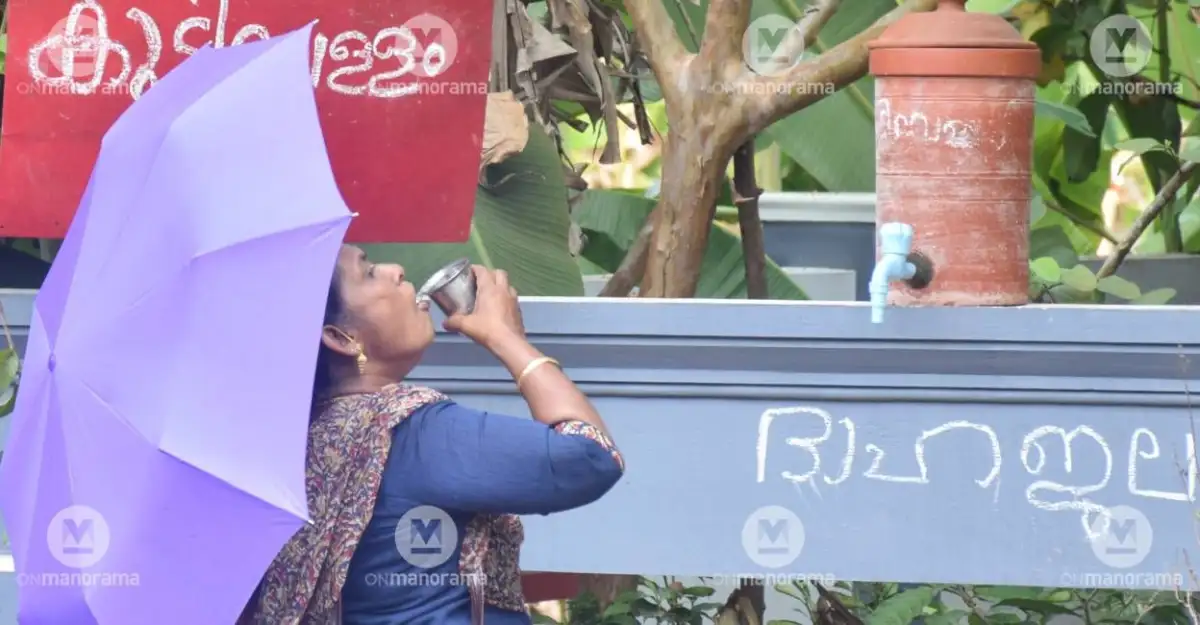
Historically, these warnings function as the primary instrument of state-level crisis communication. While the government frames these as precautionary measures, the repetitive nature of the instructions—carry water, stay indoors, wear caps—reveals a structural inability to alter the environment, leaving the burden of Thermal Management entirely on the individual citizen. This strategy remains the status quo for managing rising, unavoidable temperature spikes.