Residents of Poyyamala in Kerala’s Kannur district can now breathe easier after recent events calmed their anxieties. A farmer’s lamb was killed, sparking fears of a leopard's presence. However, crucial video evidence has confirmed that a domestic dog, not a wild leopard, was responsible for the attack, easing the tension that had gripped the local community and prompting the release of detained forest officials.

The incident began with the death of a farmer's lamb in Poyyamala, a village near Kottiyoor-Kelakam in Kannur. Following this event, local residents and representatives voiced strong concerns, suspecting a leopard attack. This suspicion led to a protest where forest officials were briefly detained, and demands for immediate action were raised. The Forest department's initial assessment, based on bite marks and paw impressions, suggested the predator was not a leopard, but likely a dog or a wolf. However, a segment of the community rejected this conclusion, intensifying their protests. To definitively establish the facts, the Forest department subsequently installed camera traps. The resulting footage has now provided clarity, identifying a dog as the culprit. This development brings relief to the villagers, validating the department's initial findings and mitigating the fear of a leopard in their midst. One official, Vysakh, has called for an end to speculation to prevent unnecessary fear and misunderstandings.
Read More: Mohun Bagan Leads Kerala Blasters 1-0 at Half-time in ISL Opener
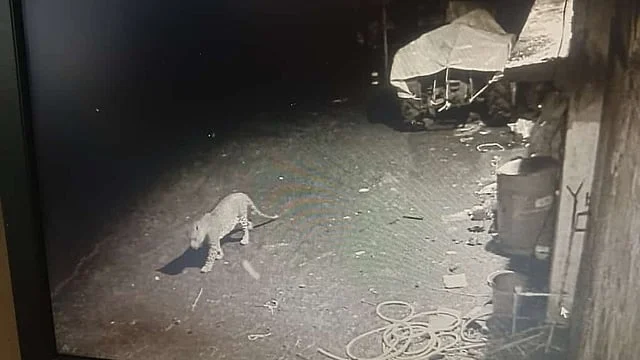
Evidence Confirms Canine Culprit
Date of Incident: The lamb was killed on Thursday.
Location: Poyyamala village, near Kottiyoor-Kelakam, Kannur district, Kerala.
Initial Suspicion: Residents and local representatives believed a leopard had attacked the farmer’s lamb.
Protest Action: Residents briefly detained forest officials and demanded swift action.
Forest Department's Initial Assessment: Based on bite marks and paw impressions, officials concluded the predator was not a leopard; it was likely a dog or possibly a wolf.
Escalation: A section of residents rejected the initial finding, leading to intensified protests.
Fact-Finding Measure: The Forest department installed camera traps to confirm the cause.
Conclusive Footage: The installed cameras captured footage confirming a dog was responsible for killing the lamb.
Outcome: Residents are now relieved as the fear of a leopard presence has subsided.
Conflicting Narratives Amidst Fear
The situation in Poyyamala highlights the understandable fear that arises when livestock is attacked in areas with potential wildlife.
Read More: Kochi: Autopsy Shows Child Sex Abuse Before Father and Daughter Died

Community Concerns vs. Forest Department Findings
Community's Perception: The immediate assumption by many residents, amplified by local representatives, was that a leopard was responsible. This fear was palpable, leading to protests and the temporary detention of forest officials. The gravity of the situation, as perceived by the community, demanded immediate and decisive action against a perceived dangerous wild animal.
Forest Department's Initial Analysis: Forest officials, relying on physical evidence such as bite marks and paw prints, arrived at a different conclusion. Their examination pointed towards a domestic animal, like a dog, or potentially a wolf, as the perpetrator. This scientific approach, however, did not immediately assuage the fears of all villagers.
The Impasse: The discrepancy between the community’s fear-driven conclusion and the department’s evidence-based assessment created a tense standoff. The rejection of the initial findings by a segment of the population underscored a lack of trust or a prevailing sense of unease that physical evidence alone could not immediately overcome.
The Role of Technology in Resolving Disputes
The deployment of camera traps served as a critical tool in resolving the dispute and calming the situation.
Read More: New Fund to Help Cities Grow Using Market Money
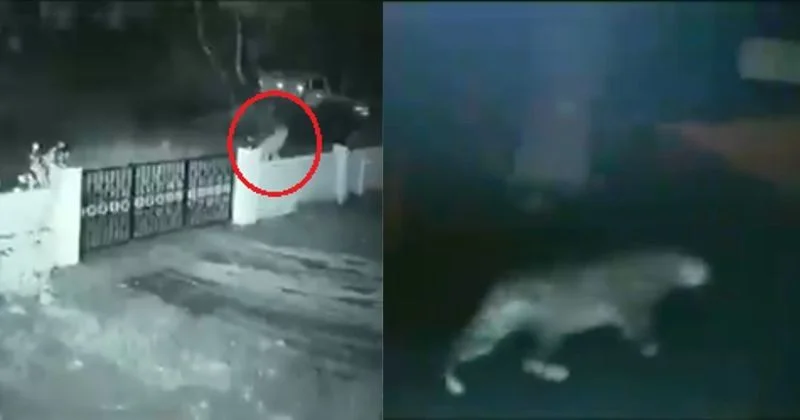
Purpose of Camera Traps: The cameras were installed specifically to gather irrefutable evidence and establish the facts beyond doubt. This technological intervention was a direct response to the impasse created by the conflicting views.
Validation of Scientific Assessment: The footage provided by the camera traps ultimately validated the Forest department’s initial assessment. It clearly showed that a dog, not a leopard, was the animal responsible for the lamb's death.
Restoring Peace: The confirmation provided by the camera footage has brought significant relief to the residents. It has demystified the threat, allowing the community to move past the fear and anxiety associated with the presence of a wild predator. The successful use of this technology prevented potential escalations and further unrest.
Broader Patterns of Wildlife Interactions
While the Poyyamala incident was resolved by identifying a domestic animal, instances of leopards preying on livestock, including dogs and calves, are documented in other regions of India. These events underscore the complex and often tense coexistence between humans and wildlife.
Read More: Kerala Asks for Study on New Fast Train System
| Location | Date | Animal Attacked | Perpetrator (Reported/Confirmed) | Key Details |
|---|---|---|---|---|
| Poyyamala, Kannur, Kerala | Recent | Farmer's Lamb | Dog (Confirmed by camera) | Initial fear of leopard; residents protested; foresters detained; camera footage resolved the dispute. |
| Tamil Nadu | Feb 18, 2025 | Dog | Leopard | Farmer's dog killed; another narrowly escaped; video shows leopard dragging a dog. |
| Satara, Maharashtra | Jul 30, 2024 | 12 Dogs, 1 Calf | Leopard (Caught on CCTV) | Residents terrified; multiple livestock losses reported; leopard movements captured on CCTV. |
| Shivamogga, Karnataka | Sep 16, 2019 | Pet Dog | Leopard (Caught on Video) | Leopard stealthily entered a village at night and took a pet dog. |
| Pune, Maharashtra | Mar 15, 2023 | Pet Dog | Leopard (Caught on CCTV) | Stray leopard entered a village home and killed a pet dog; residents reported no forest official visits. |
| Pune, Maharashtra | Sep 15, 2024 | Pet Dog | Leopard (Caught on CCTV) | Leopard emerged from an alley, grabbed a dog; another dog attempted to chase it; residents demand action. |
Expert Insights on Human-Wildlife Conflict
The dynamics observed in Poyyamala are not uncommon in areas where human settlements interface with wildlife habitats.
Read More: Bank Worker Arrested for Taking Gold for Betting
Dr. S. A. Hussain (Wildlife Biologist): "When livestock is attacked, particularly at night, the immediate assumption often leans towards apex predators like leopards, given their known capacity for such predation. This fear is amplified by anecdotal evidence and historical incidents. However, a rigorous examination of physical evidence – bite patterns, track morphology, and kill site characteristics – is paramount for accurate identification. Misidentification can lead to unnecessary panic, misdirected conservation efforts, and sometimes, harmful retaliatory actions against innocent animals."
Mr. K. G. Varma (Forest Officer): "Our department prioritizes evidence-based assessment. While we understand the fear and urgency of affected communities, it is crucial to distinguish between different types of animal threats. The installation of camera traps has become an invaluable tool. It not only helps us in scientific investigation but also in building trust with the public by transparently demonstrating the facts. The goal is always to ensure both human safety and the conservation of wildlife through accurate understanding and measured responses."
Resolution and Future Implications
The confirmation that a dog, not a leopard, was responsible for the lamb’s death in Poyyamala has effectively diffused a tense situation. The use of camera trap technology proved instrumental in achieving this resolution, validating the Forest department’s initial findings and allaying the villagers’ fears.
Read More: New Water Plant Approved to Help Kochi Get More Drinking Water
Immediate Impact: The residents have experienced significant relief. The fear of a leopard’s presence, which had led to protests and the detention of forest officials, has subsided. This outcome has likely eased tensions between the community and the Forest department.
Validation of Methods: The incident serves as a case study for the efficacy of using technology like camera traps to objectively ascertain facts in wildlife-related incidents. It underscores the importance of relying on scientific evidence rather than succumbing to immediate fear-based assumptions.
Call for Prudence: The appeal by official Vysakh to avoid speculation and unscientific conclusions is a timely reminder. Unfounded fears can lead to misinformed actions, potentially harming both wildlife and community relations. Moving forward, a balanced approach, combining local observations with scientific investigation, will be essential for managing human-wildlife coexistence.
Sources Used
The Hindu: Residents relieved as camera footage confirms dog, not leopard, killed farmer’s lamb at village in Kerala’s Kannur
The New Indian Express: Leopard preys on dog, foresters on alert in Tamil Nadu
Free Press Journal: Leopard Preys On 12 Dogs In Satara's Saspade Village; Residents Terrified (Watch CCTV Footage)
IndiaTimes: Caught On Camera: Leopard Enters Karnataka Village At Night, Takes Away Pet Dog
NextShark: Leopard caught on CCTV killing and dragging away pet dog from home in India
URL: https://nextshark.com/leopard-kills-dog-video-pune-india
PUNE PULSE: Leopard Attack Caught on CCTV: Pet Dog Killed in Pune Village
URL: https://www.mypunepulse.com/leopard-attack-caught-on-cctv-pet-dog-killed-in-pune-village/
Read More: Supreme Court Asks if RERA Should Be Closed