The Union Cabinet has approved a significant financial initiative, the Urban Challenge Fund (UCF), with ₹1 lakh crore in central assistance. This fund aims to steer urban development towards a market-driven model, fostering significant private investment and promoting reforms in city governance. The move signifies a notable change in how cities are expected to finance and manage their growth, shifting from a grant-based system to one that leverages market finance and private sector involvement. The ultimate goal is to build resilient, productive, and climate-responsive cities that can act as engines for the nation's economic expansion.
Context and Objectives
The decision by the Union Cabinet introduces the Urban Challenge Fund (UCF), a program designed to catalyze substantial investment in urban infrastructure across India. The ₹1 lakh crore of central support is intended to unlock approximately ₹4 lakh crore in total investment over the next five years. This program is not merely about funding infrastructure but also about instilling a new approach to urban governance and development.
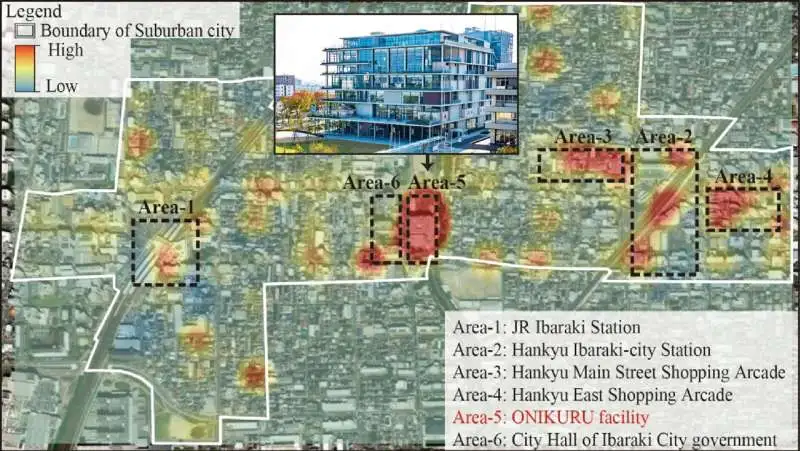
Read More: How Onikuru facility in Ibaraki City changes local visit habits in 2026

Funding Mechanism: Central assistance will cover 25% of a project's cost, provided that at least 50% of the funding is sourced from the market. This structure mandates significant market participation.
Investment Target: The initiative aims to attract a total investment of ₹4 lakh crore in the urban sector over the next five years.
Project Scope: The fund will support projects under three main categories:
Cities as Growth Hubs: Focusing on integrated planning, transit-linked development, and urban mobility to boost economic competitiveness.
Creative Redevelopment of Cities: Encouraging innovative urban renewal projects.
Water and Sanitation Infrastructure: Addressing critical needs in water supply, sewage networks, and solid waste management.
Reform-Driven Approach: Funding is directly linked to implementing reforms in urban governance, financial systems, service delivery, and urban planning. This includes aspects like digital governance and strengthening creditworthiness.
Key Features and Support Structures
The Urban Challenge Fund incorporates specific provisions to ensure broader participation and to support cities with varying capacities. A central tenet of the fund is its "challenge mode" selection process, where cities will compete for funding based on the merit and impact of their proposals.
Market Linkage: The fund explicitly aims to leverage market financing and private sector participation.
Special Support for Certain Cities:
Cities in the North-East and hilly regions, and those with populations below 1 lakh, will receive guarantees from the central government for market borrowing.
A dedicated ₹5,000 crore corpus is set aside to enhance the creditworthiness of 4,223 cities, including Tier-II and Tier-III cities, particularly for their first-time access to market finance.
Administrative Control: For projects developed with private partnerships, the administrative control will remain with the state governments and urban local bodies.
Project Scale: The fund is designed to support projects of a minimum size, starting with ₹20 crore in smaller cities and increasing to ₹28 crore in subsequent phases.
Shift in Development Paradigm
The introduction of the UCF marks a deliberate pivot in India's urban development strategy. This is a departure from the traditional grant-based financing model towards an approach that is market-linked, reform-driven, and focused on measurable outcomes.
From Grants to Market Finance: The core change is encouraging cities to raise funds from the market and private investors, rather than relying primarily on central grants.
Outcome-Oriented: The emphasis is on creating high-quality urban infrastructure that is responsive to national development priorities and citizen needs.
Benchmarking: Service delivery standards will be benchmarked, implying a focus on performance and efficiency.
Scope of Eligibility
While the fund is designed to be inclusive, certain cities are specifically identified for inclusion under the UCF.
General Eligibility: In principle, all cities are covered under the UCF.
Specific Inclusions:
All cities with a population over 10 lakh.
All state and Union Territory capital cities.
Major industrial cities with a population exceeding 1 lakh.
Inclusive Provisions: Smaller cities, urban local bodies in hilly and Northeastern regions, and Tier-II and Tier-III cities are specifically targeted for support through guarantee mechanisms and dedicated corpus funds.
Expert Analysis and Insights
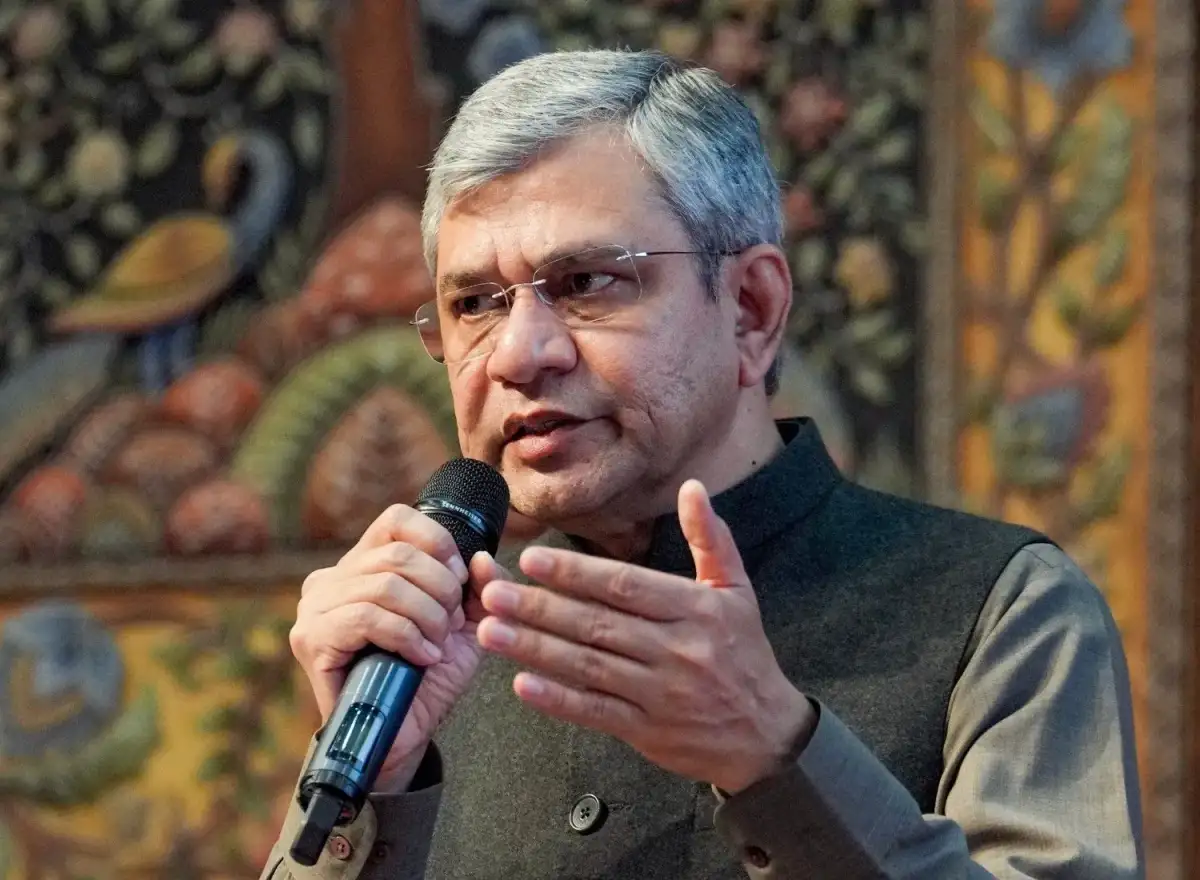
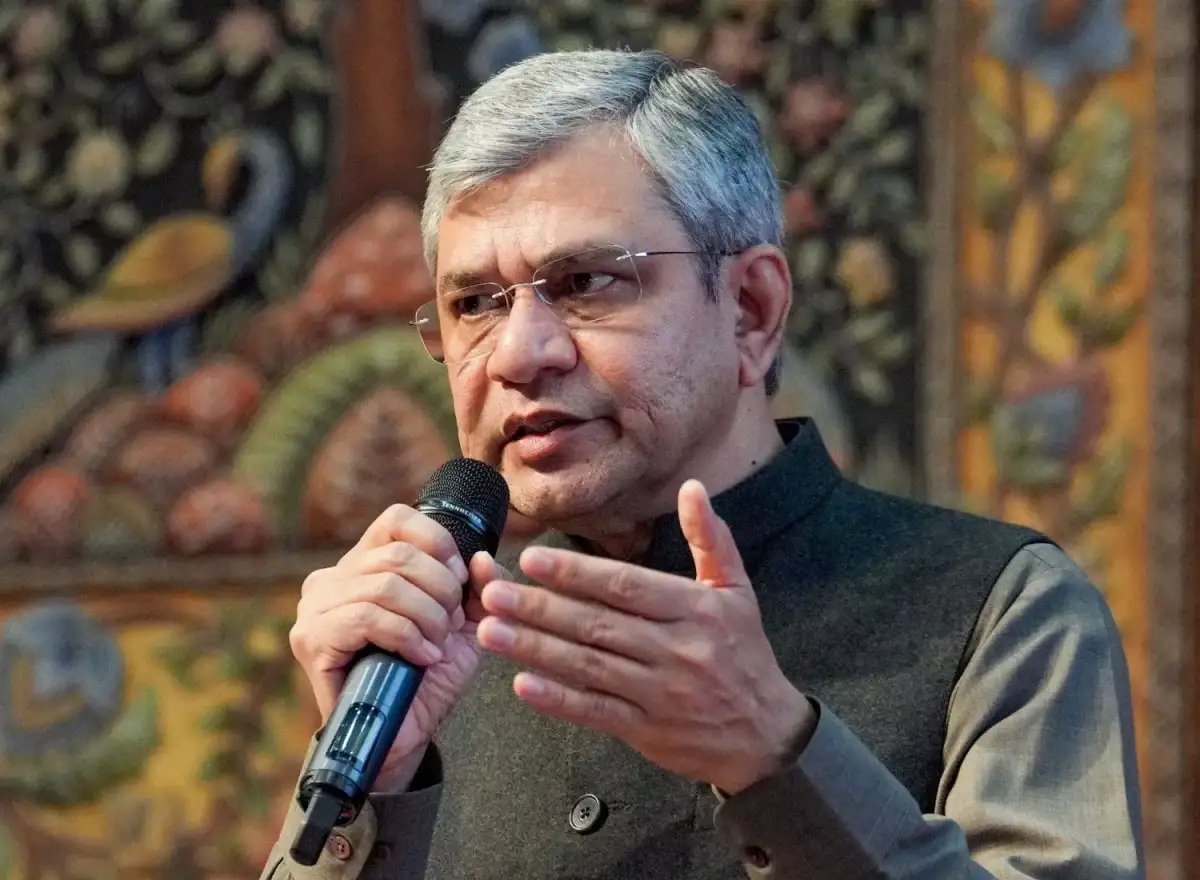
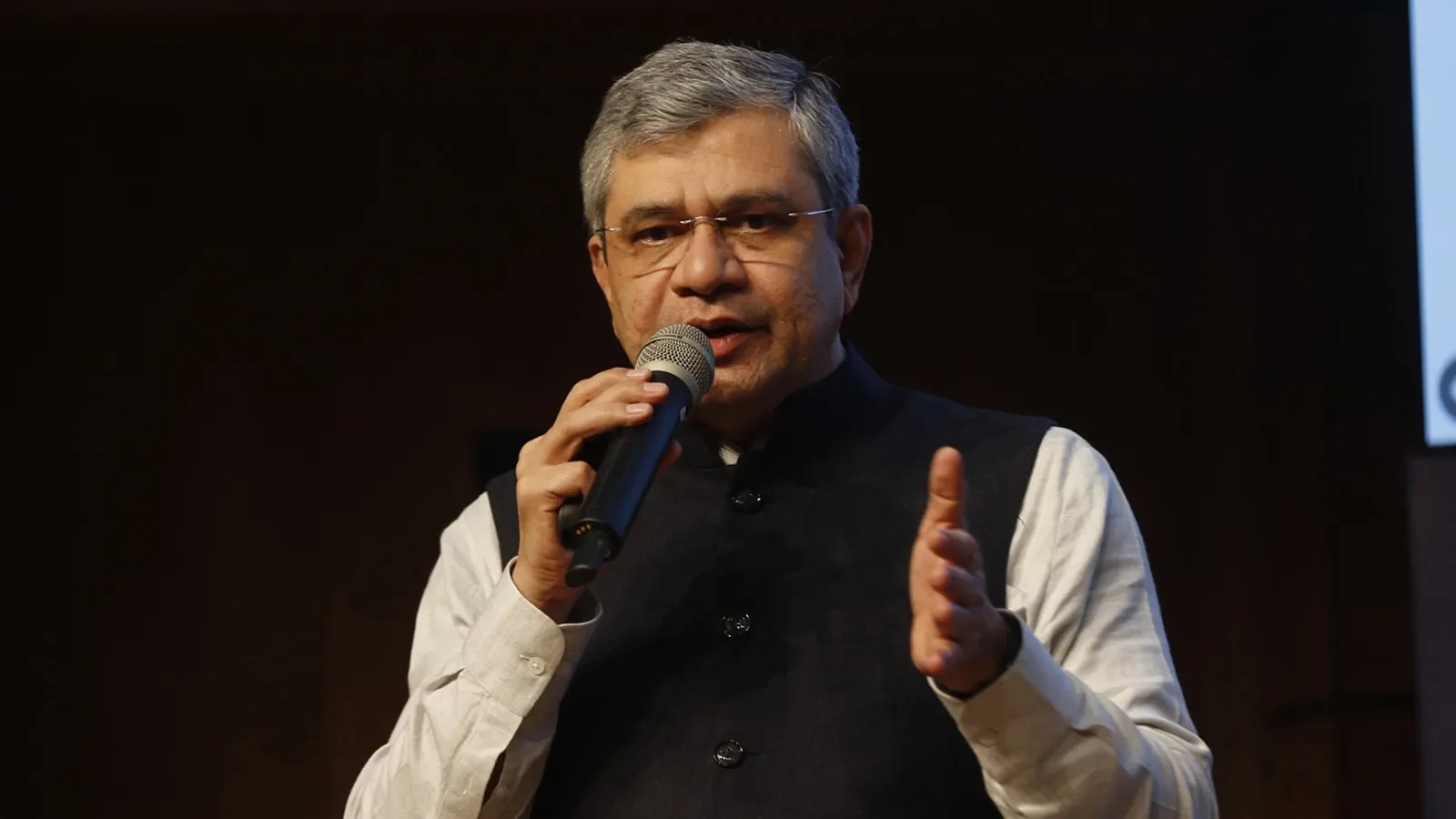
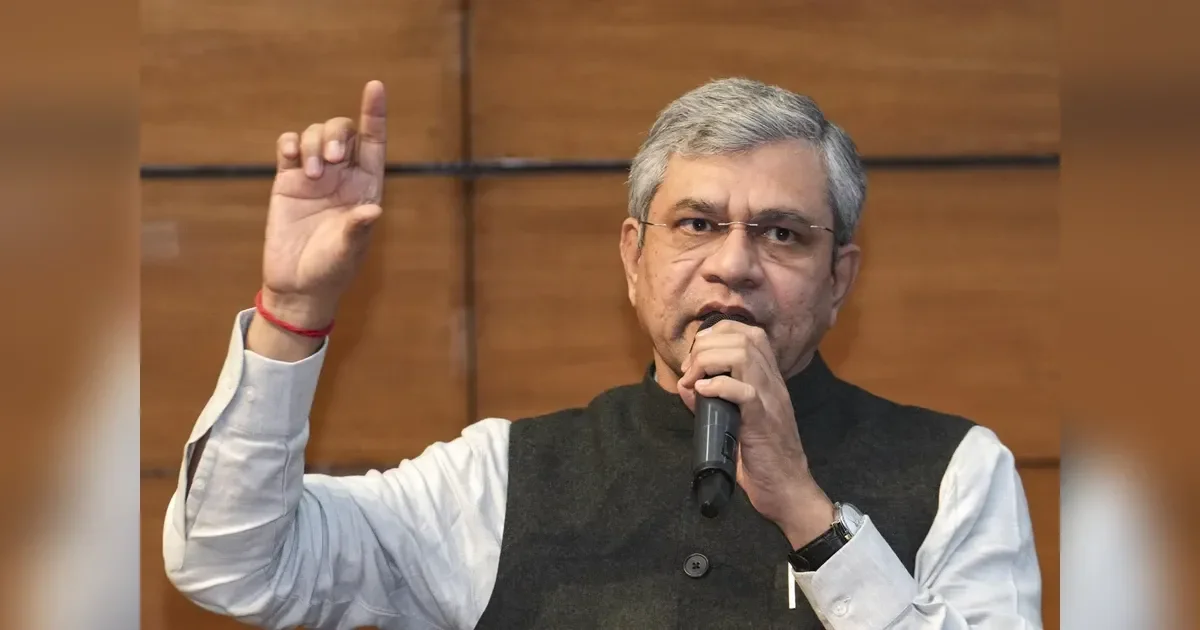
The implementation of the Urban Challenge Fund is seen as a strategic move to accelerate urban infrastructure development and governance reforms. Minister Ashwini Vaishnaw highlighted that the fund aims to position cities as key drivers of the country's next phase of economic growth.
Read More: India IVF Costs And Social Barriers Limit Access In April 2026
"The government will provide the guarantees for cities in the north-east/hilly states and those with populations below 1 lakh." - Ashwini Vaishnaw
The fund's structure, linking central assistance to market mobilization and reform implementation, is expected to foster greater accountability and efficiency in urban project execution. The focus on market-led development signals an intent to harness private capital and expertise for large-scale urban transformation.
Conclusion and Future Implications
The Union Cabinet's approval of the ₹1 lakh crore Urban Challenge Fund represents a significant policy shift, emphasizing market participation and reform in urban development. The fund's design aims to unlock substantial investment, improve urban governance, and create future-ready cities aligned with national growth objectives.
Catalyzing Investment: The fund is poised to attract significant private and market investment, multiplying the impact of central assistance.
Driving Reforms: The linkage of funding to reforms is expected to lead to improvements in urban governance, financial management, and service delivery.
Broadening Access: Special provisions for smaller cities, and those in less developed regions, aim to ensure inclusive development and greater access to market finance.
Paradigm Shift: The move from grant-based financing to a market-linked, reform-driven approach is a fundamental change in how India plans to develop its urban centers.
The success of the Urban Challenge Fund will likely depend on the effective implementation of its reform agenda and the ability of cities to successfully mobilize market finance.
Sources Used:
The Indian Express: Cabinet approves Rs 1 lakh crore Urban Challenge Fund to force cities to ‘earn’ their own growthhttps://indianexpress.com/article/india/cabinet-approves-rs-1-lakh-crore-urban-challenge-fund-to-force-cities-to-earn-their-own-growth-10532304/
The Times of India: Cabinet clears Rs 1 lakh crore Urban Challenge Fund to drive market-led city infrastructure pushhttps://timesofindia.indiatimes.com/business/india-business/cabinet-clears-rs-1-lakh-crore-urban-challenge-fund-to-drive-market-led-city-infrastructure-push/articleshow/128341645.cms
The Federal: Cabinet approves Rs 1 lakh cr Urban Challenge Fund for urban uplifthttps://thefederal.com/category/news/cabinet-approves-rs1-lakh-crore-urban-challenge-fund-urban-infrastructure-ashwini-vaishnaw-229869
Swarajya: Government Launches Rs 1 Lakh Crore Urban Challenge Fund To Drive Market-Led City Transformationhttps://swarajyamag.com/infrastructure/government-launches-rs-1-lakh-crore-urban-challenge-fund-to-drive-market-led-city-transformation
The Indian Express: Cabinet approves Rs 1 lakh crore for Urban Challenge Fund: Know what it ishttps://indianexpress.com/article/india/urban-challenge-fund-gets-cabinet-approval-budget-details-10531875/
Business Standard: Cabinet approves ₹1 trn Urban Challenge Fund for market-led urban growthhttps://www.business-standard.com/india-news/cabinet-approves-1-trn-urban-challenge-fund-for-market-led-urban-growth-1260214007481.html
ANI News: Cabinet approves Rs 1 lakh crore fund to overhaul Indian citieshttps://aninews.in/news/business/cabinet-approves-rs-1-lakh-crore-fund-to-overhaul-indian-cities20260214141405/
The Hindu Business Line: Cabinet approves ₹1 lakh crore Urban Challenge Fund to drive market-led urban transformationhttps://www.thehindubusinessline.com/news/national/cabinet-approves-1-lakh-crore-urban-challenge-fund-to-drive-market-led-urban-transformation/article70631612.ece
New Kerala: Rs 1 Lakh Crore Urban Challenge Fund Approved for City Modernisationhttps://www.newkerala.com/news/a/cabinet-approves-rs-lakh-crore-fund-overhaul-indian-771.htm
Media Eye News: Centre Approves ₹1 Lakh Crore Urban Challenge Fund to Transform City Infrastructurehttps://www.mediaeyenews.com/infrastructure/centre-approves-%E2%82%B91-lakh-crore-urban-challenge-fund-to-transform-city-infrastructure/174015.html
IANS Live: Centre okays Rs 1 lakh crore Urban Challenge Fund to create reform-driven infrastructurehttps://ianslive.in/centre-okays-rs-1-lakh-crore-urban-challenge-fund-to-create-reform-driven-infrastructure—20260214140304
Livemint: Union cabinet clears ₹1 trillion Urban Challenge Fund for market-led urban developmenthttps://www.livemint.com/news/india/cabinet-approves-rs-1-trillion-urban-challenge-fund-for-market-led-urban-development-11771063436711.html