Broad Push for Policy and Awareness
Various groups are mobilizing across continents to combat sexual violence. A prominent push in Kerala, India, sees a coalition of social organisations and activists launching a campaign named ‘Zero Tolerance to Sexual Violence’ (ZeTo). This initiative pressures political parties to embed a 30-point charter into their election manifestos, advocating for strict zero-tolerance policies, implementation across all sectors, removal of accused individuals from power pending investigation, and dedicated funding to fight sexual violence. The campaign kicked off on March 7th.

Globally, efforts to raise awareness and enact change are ongoing. The UNITE to End Violence against Women Campaign is a multi-year endeavor aiming to stop violence against women and girls worldwide. This effort emphasizes donor investment in feminist organizations and digital rights advocates, seeking safer online spaces, stronger laws, and accountability for perpetrators.
Read More: State Commission reviews Dalit issues in Chittoor, Andhra Pradesh

Similarly, Jewish Women International (JWI) initiated a global campaign in June 2025 focused on sexual violence in war. This program, stemming from a report on social media responses to sexual violence during international conflicts, aims to confront the "weaponization of sexual violence" and counter disinformation that re-traumatizes survivors.

Supporting Survivors and Challenging Norms
Beyond policy and conflict zones, other campaigns focus on direct support and cultural shifts. The UltraViolet Education Fund launched "Flowers for Survivors" in June 2025, coinciding with a high-profile trial. This campaign aims to support survivors of sexual violence who may be re-experiencing trauma due to extensive media coverage of such cases. A billboard advertisement in Times Square featured a message directed at survivors.
The concept of collective action against sexual violence is echoed by the NO MORE movement, which has united people globally for over a decade to break the silence surrounding domestic and sexual violence. Their "NO MORE Week" in early March 2026 underscores this ongoing commitment.
Read More: India IVF Costs And Social Barriers Limit Access In April 2026
Educational Initiatives and Awareness Days
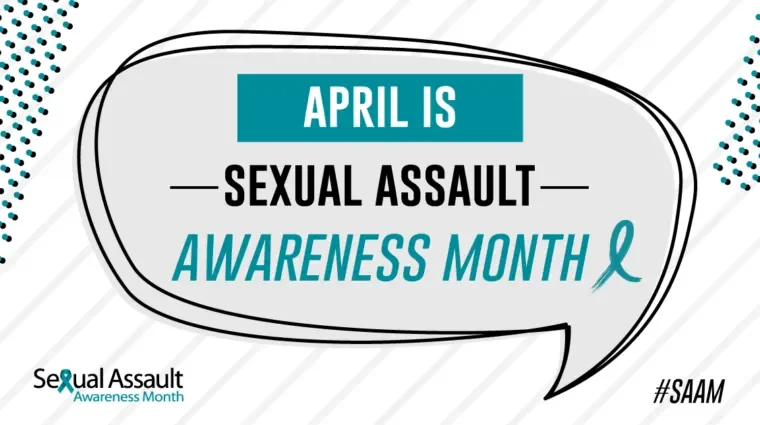
Month-long initiatives like Sexual Assault Awareness Month (SAAM), observed in April, serve as focal points for prevention efforts. SAAM includes events such as "Wear Teal Day" for awareness and "Denim Day," which challenges misconceptions about sexual violence by asserting that clothing is never an excuse for assault.
The National Sexual Violence Resource Center (NSVRC) provides definitions and context for understanding sexual abuse, assault, and harassment, framing sexual violence as an issue impacting everyone and advocating for a "Health Equity Approach to Preventing Sexual Violence." The scope of sexual violence is defined as encompassing any unwanted sexual contact, affecting individuals across all communities.
Contextual Background
The landscape of movements addressing sexual violence is diverse, reflecting the multifaceted nature of the issue. From policy reform demands in India to global initiatives combating violence in conflict and online, and local awareness campaigns, these efforts underscore a persistent global concern. The underlying theme across these disparate actions is a collective push towards accountability, survivor support, and the eradication of sexual violence. The definition of sexual violence itself, as articulated by organizations like the NSVRC, highlights its broad reach, encompassing sexual abuse, assault, and harassment, impacting individuals irrespective of gender or identity. The recurrent emphasis on 'breaking the silence' and advocating for 'zero tolerance' points to a societal reckoning with long-standing issues.
Read More: Supreme Court Clarifies OBC 'Creamy Layer' Income Rule for PSU and Private Jobs