New Catalyst Achieves World-Class Power and Durability in Ammonia-Based Fuel Cells
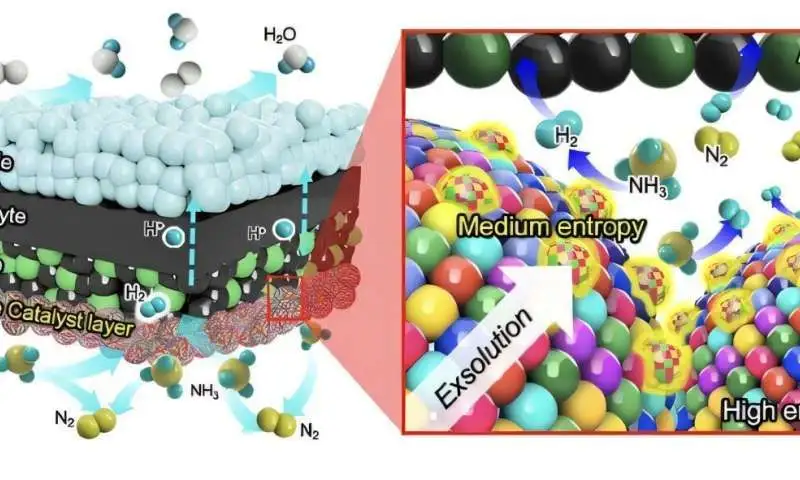
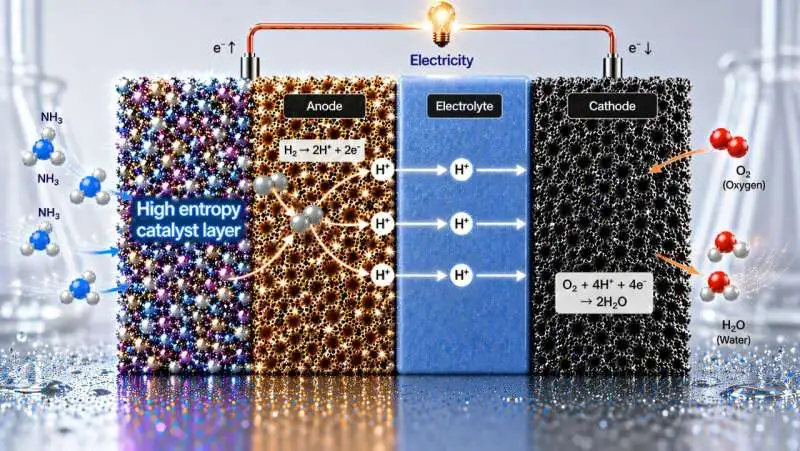
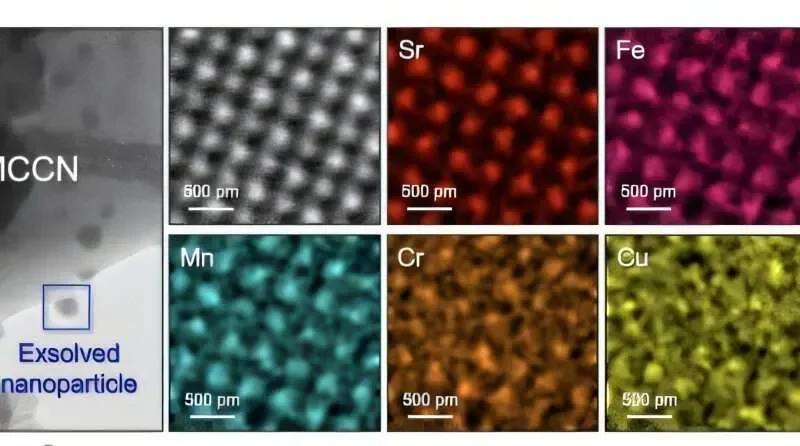
A high-entropy catalyst, developed by researchers at KAIST and a joint team, has significantly improved the performance and stability of ammonia-based protonic ceramic fuel cells (PCFCs). This breakthrough technology directly utilizes ammonia as fuel, overcoming limitations associated with hydrogen storage and transport. The novel catalyst architecture, integrating high-entropy oxides with alloy nanoparticles, has demonstrably enhanced both the power output and operational lifespan of these fuel cells.
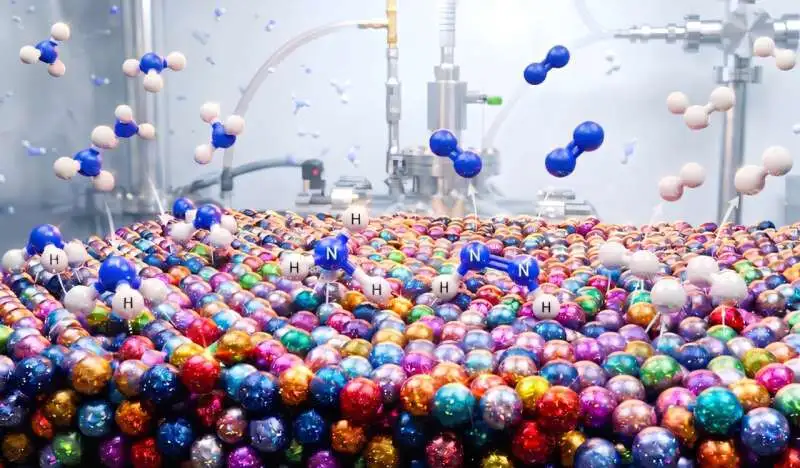
The catalyst's efficacy was highlighted by an unprecedented maximum power density of 2.04 watts per square centimeter at 700°C. This achievement represents a substantial leap for ammonia-based PCFCs. The research, detailed in 'Entropy-Modulated Oxide–Metal Catalyst Architectures for Direct Ammonia Protonic Ceramic Fuel Cells' published in Nano-Micro Letters, also leveraged detailed atomistic simulations using Density Functional Theory (DFT). These simulations revealed that the high-entropy oxide framework effectively lowers the energy barrier for ammonia decomposition.
Read More: Solaris Energy SEI Stock Price Forecast Reaches $91.98 by July 2027
Broader Implications for Energy Systems
This development is seen as a critical step toward accelerating the commercialization of carbon-free power generation technologies and next-generation hydrogen energy systems. Professor Kang Taek Lee stated, "This study will serve as a catalyst for accelerating the commercialization of ammonia-based carbon-free power generation technology and next-generation hydrogen energy systems." The work offers potential solutions for the practical application of ammonia as a clean energy carrier.
Advancing Ammonia Fuel Cell Technology
The research builds upon existing work in the field of ammonia fuel cells. Previous studies have explored various approaches to improve performance, including surface modification of anode materials with high-entropy alloys for ammonia-fed solid oxide fuel cells (SOFCs). The integration of ultra-small high-entropy alloys has also been investigated as a multi-functional catalyst for ammonia-based fuel cells.
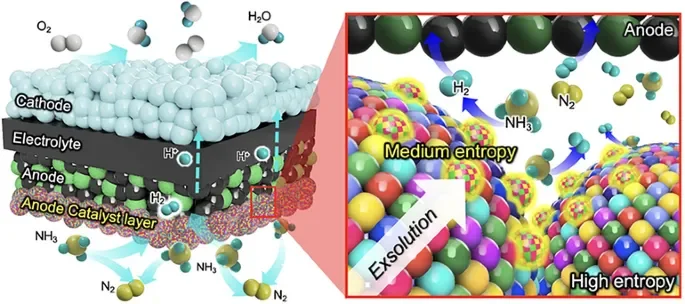
The current research’s focus on PCFCs and the specific integration of high-entropy oxides with alloy nanoparticles marks a distinct advancement. This work is expected to encourage further exploration and refinement of catalysts for ammonia and other hydrogen-carrying fuels.
Read More: Chrome mimeHandler API lets extensions handle file types
Keywords: Ammonia Fuel Cells, High-Entropy Catalyst, Protonic Ceramic Fuel Cells, Carbon-Free Power, Hydrogen Economy