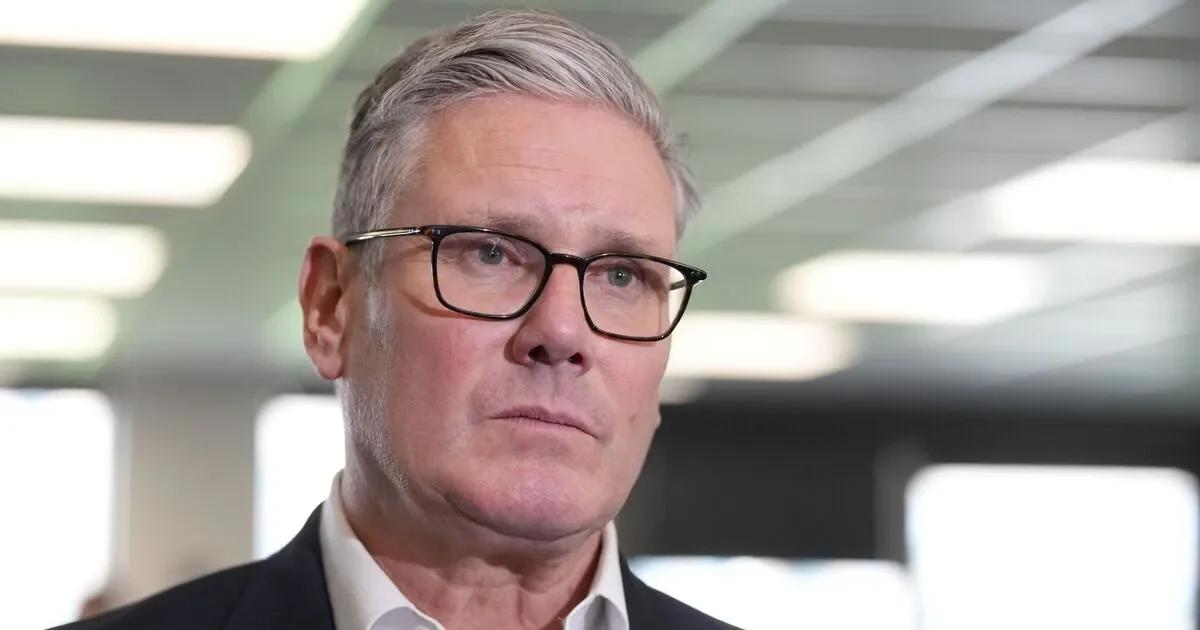
Keir Starmer, the Prime Minister, is currently battling to maintain his leadership as significant dissent emerges from within his own Labour Party, fueled by recent poor performances in local and regional elections. Dozens of lawmakers have publicly or privately urged his departure, with some actively seeking to trigger a leadership contest. Starmer, however, has signaled defiance, stating his intention to continue leading.

Rebellion Brews Within Labour Ranks
The fallout from disastrous local election results has created a deeply unstable environment for Starmer. The party suffered substantial losses, including a near-wipeout in Wales, losing control after 27 years, and a significant decline in council seats across England. This has emboldened a growing number of Labour MPs who are now demanding Starmer step down.

Calls for a timetable: Several lawmakers are pushing for Starmer to agree to an exit plan, with some suggesting he should set a timeline for his departure within the year, even if they don't expect him to lead the party into the next general election.
Leadership contest threats: Catherine West, a former junior minister, has openly stated her intention to try and initiate a leadership contest if Starmer's planned speech on Monday does not satisfy her demands. Jess Phillips, the safeguarding minister, has already resigned from her post, signaling that her confidence in Starmer's leadership has evaporated.
Cabinet meeting: Starmer was scheduled to meet his Cabinet this morning, with senior figures reportedly questioning his ability to survive the current crisis.
Starmer's Defiance Amidst Turmoil
Despite the escalating pressure and open rebellion, Prime Minister Keir Starmer has publicly stated his commitment to remaining as leader. He reportedly told his cabinet on Tuesday morning that he intends to continue in his role, framing his message as one of resolve. He is expected to address the situation and outline his plans for the future, possibly through a significant speech.
Read More: Jess Phillips and 2 others quit Labour after Starmer stance

Mixed reactions to defiance: Starmer's resolute stance has been met with mixed reactions within the party. While some are standing by him, others view his refusal to yield as a sign of detachment from the party's current predicament.
"Oust me if you can" challenge: In what has been perceived as a defiant challenge to the mutinous elements within his party, Starmer has effectively dared them to try and remove him.
Broader Political Landscape and Electoral Setbacks
The local election results that have triggered this leadership crisis paint a grim picture for Labour's wider standing. Beyond council seats, the party lost power in Wales after decades of dominance. The rise of the anti-immigration party Reform U.K., which secured numerous seats and made significant gains across England and Scotland, has also added to Labour's electoral woes.

Reform U.K.'s gains: The emergence of Reform U.K. as a significant force, taking almost 1,300 seats in England and performing strongly in Wales and Scotland, has reshaped the electoral map and put additional strain on Labour's traditional support base.
Potential third place in Scotland: Projections suggest Labour could even fall to third place in Scotland, trailing behind the Scottish National Party (SNP) and Reform U.K., a significant reversal from historical dominance.
Background
British political structures allow for changes in party leadership without necessitating a general election. This mechanism provides a pathway for the Labour Party to potentially replace Starmer if the internal pressure continues to mount and a leadership contest is successfully triggered. Figures such as Andy Burnham have been mentioned as potential successors should Starmer eventually step down.