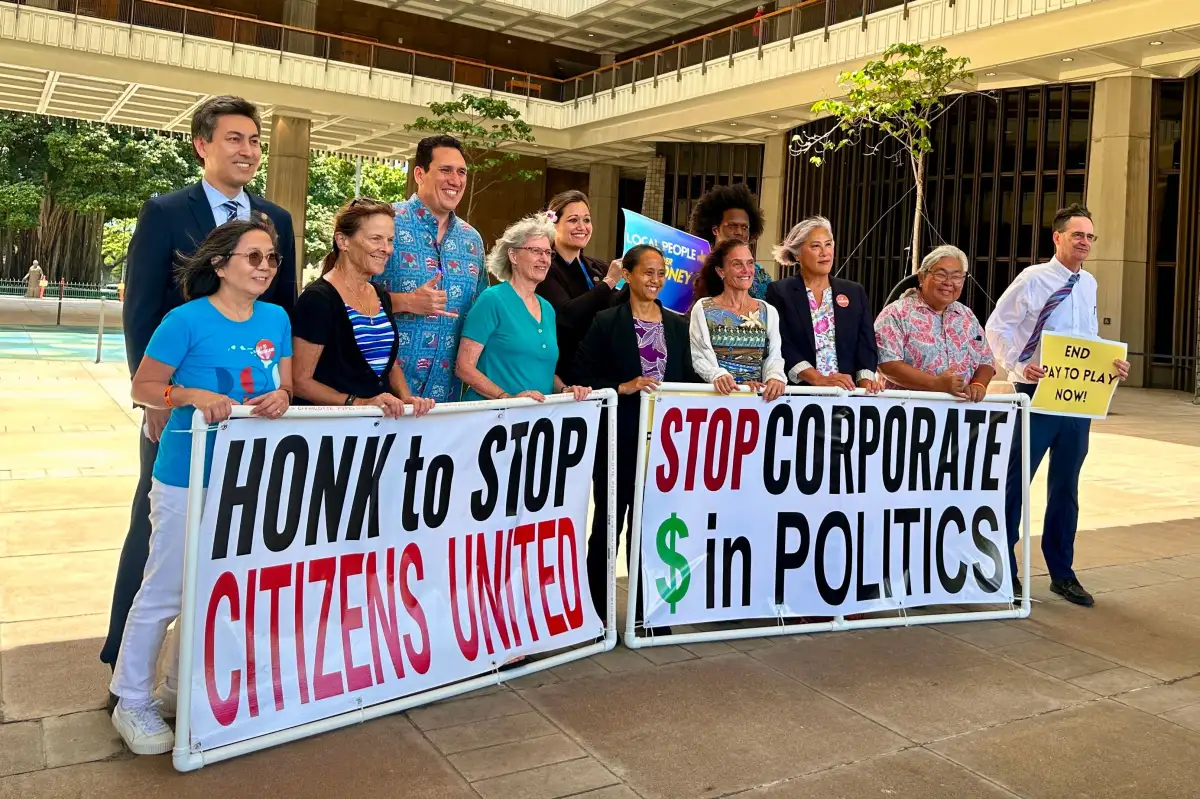
HONOLULU, HI – A newly enacted law in Hawaii takes a novel tack against the influx of corporate and “dark money” in political contests. The legislation, signed into effect recently, aims to curb spending by corporations and unions on elections, a move enabled by a landmark 2010 U.S. Supreme Court decision. This law redefines what constitutes a corporation for electoral spending purposes, seeking to restrict funds funneled through non-candidate-affiliated organizations, often for advertising. The measure applies equally to businesses headquartered in Hawaii and those operating within the state but registered elsewhere.
The core of the new Hawaiian approach involves a redefinition of corporate entities, a strategy intended to circumvent the implications of the 'Citizens United' ruling. This ruling effectively dismantled bans on corporate and union election spending, provided such funds are not directly contributed to candidate campaigns. The intent behind Hawaii's law is to limit the reach of money where the source is obscured, thereby preventing voters from knowing who is behind political messaging.
Read More: Taiwan Holds Nantou County Drills to Prepare for State Collapse
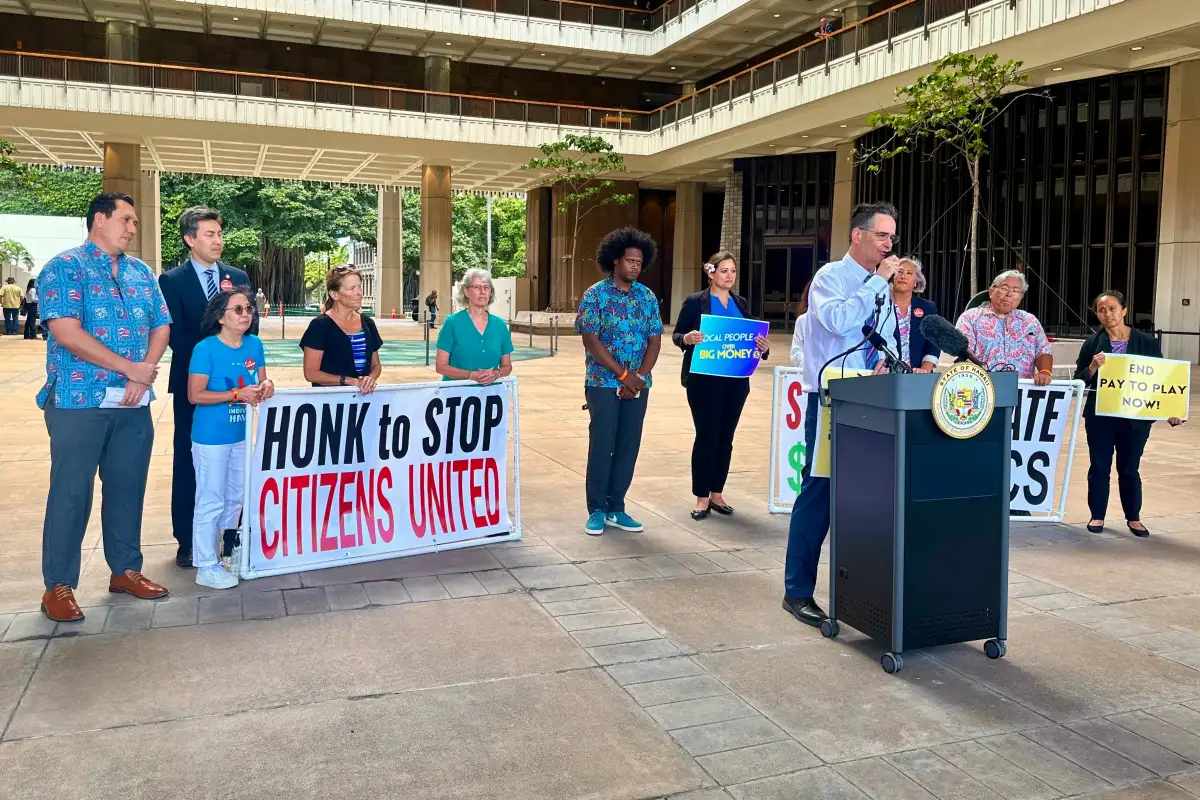
Detractors of the law voice concerns that individual states cannot unilaterally override Supreme Court pronouncements. They argue that attempts to "skirt" such decisions through state-level legislation are unlikely to withstand legal challenges. Proponents, however, contend that the public's dissatisfaction with corporate and undisclosed funding in elections fuels this initiative, asserting that the law addresses a palpable public need.
This legislative effort, originating from Hawaii's lawmakers, is being closely watched. If even a single state successfully implements such a measure, it is expected to face immediate legal scrutiny. Observers note that similar tactics or discussions regarding limitations on corporate political spending have surfaced in other states, suggesting a broader, albeit fragmented, trend toward questioning the unchecked influence of corporate and union treasuries in electoral processes.
Background: The 'Citizens United' Legacy
The legal landscape surrounding corporate political spending was significantly altered by the 2010 Supreme Court decision in Citizens United v. Federal Election Commission. This ruling struck down restrictions on independent expenditures by corporations and unions in political campaigns. The court held that such spending is a form of free speech and therefore protected by the First Amendment. This opened the door for unlimited independent expenditures, often referred to as “super PACs” and “dark money” groups, as long as they do not coordinate directly with candidate campaigns. This ruling has been a focal point of debate and regulatory efforts at both federal and state levels.
Read More: Kash Patel Snorkel Trip at Pearl Harbor Last Summer Raises Conduct Concerns