Association Cites Systemic Barriers in Higher Education
Bengaluru: The All India OBC Students’ Association (AIOBCSA) is actively lobbying the Karnataka government to include Other Backward Classes (OBCs) within the purview of the proposed Karnataka Rohith Vemula (Protection of SC/STs from Caste Discrimination in Higher Educational Institutions) Bill-2025. The association argues that OBC students, despite constituting a significant portion of the student population, encounter pervasive forms of discrimination, social exclusion, and institutional hurdles within universities and colleges.

The core of the AIOBCSA's demand centers on the assertion that discrimination within educational institutions is not exclusive to Scheduled Castes (SCs) and Scheduled Tribes (STs), but extends to marginalized OBC communities. They contend that incorporating OBCs into the Bill would substantively bolster its commitment to 'social justice and equality.'
Bill's Scope Under Scrutiny
The Karnataka government is in the process of drafting the Rohith Vemula Bill, a legislative measure intended to safeguard students from caste-based discrimination in higher education. Initially framed to protect SC and ST students, following the tragic deaths of individuals like Rohith Vemula and Payal Tadvi, the Bill has drawn attention for its potential scope. Reports indicate the draft legislation may encompass provisions for jail time and fines for perpetrators of discrimination against SC, ST, OBC, and minority students.
Read More: Google Learn About AI Tool Released April 2026 For Simple Learning

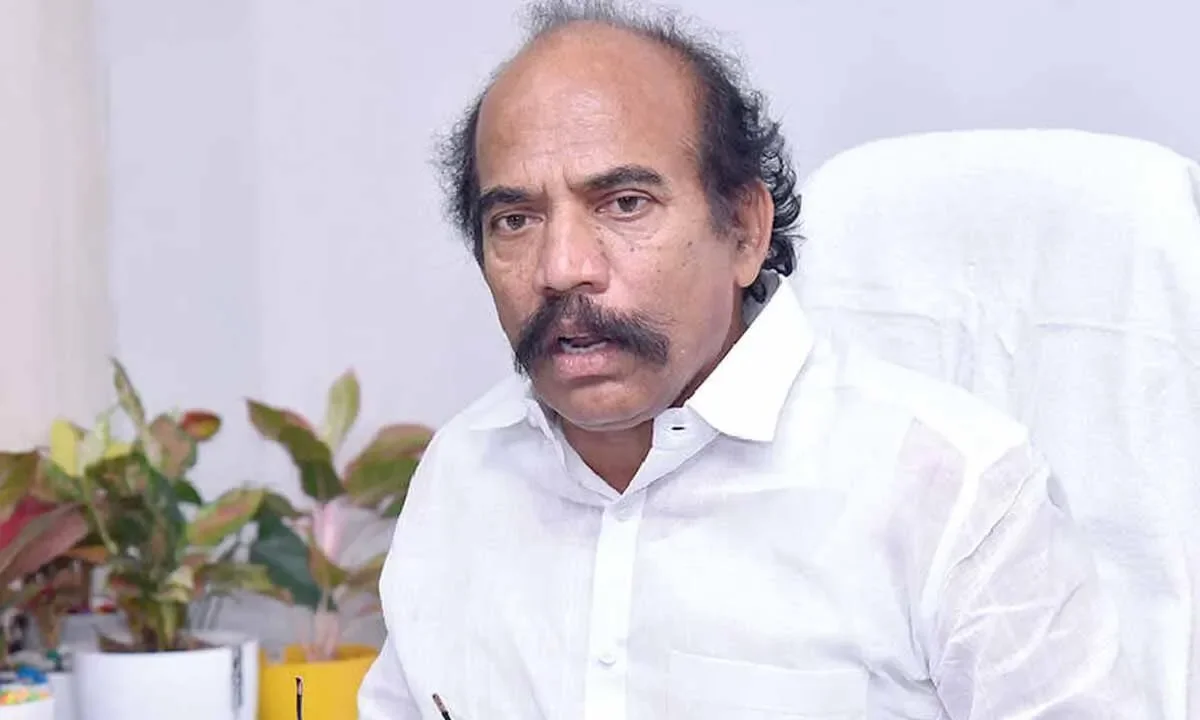
Minister HC Mahadevappa stated, "Inhuman treatment cannot be tolerated," framing the Bill as a vital step against caste bias in the state's education system.
Calls for Broader Protection
The AIOBCSA's push highlights existing classifications of backward classes in Karnataka, including Category I, Category IIA, IIB, IIIA, and IIIB, which encompass numerous communities deemed socially and educationally backward. The association’s national president, G. [Name Not Provided], formally communicated these concerns to Karnataka Chief Minister Siddaramaiah. The letter emphasizes that OBC students, particularly those from more marginalized and educationally disadvantaged groups within the category, face distinct challenges. These include social exclusion, institutional biases affecting access to fellowships and hostel facilities, evaluation prejudices, and overt social discrimination.
Read More: State Commission reviews Dalit issues in Chittoor, Andhra Pradesh

Political Undercurrents and Legislative Momentum
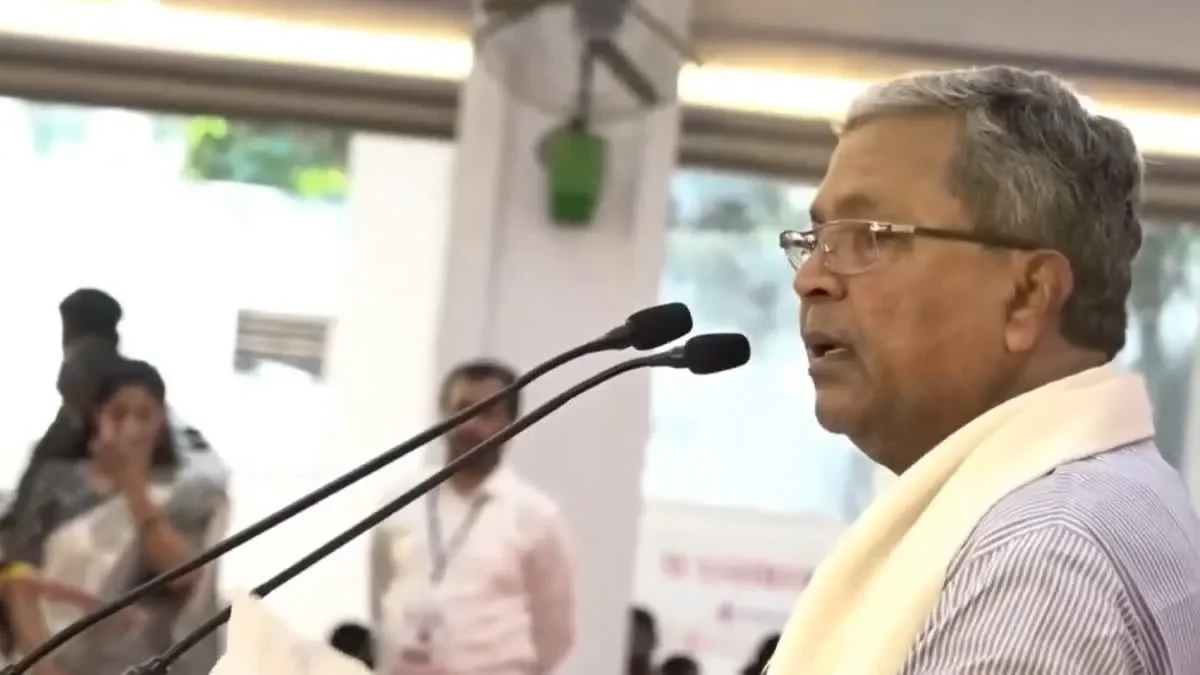
The demand for inclusion arises amidst a broader political context. Congress leader Rahul Gandhi has previously urged Chief Minister Siddaramaiah to enact legislation named after Rohith Vemula, framing it as essential for ensuring dignity and preventing exclusion. The Chief Minister has publicly affirmed his government's commitment to enacting the law, stating, "We will bring this law at the earliest to honour the dreams of Rohith, Payal, Darshan, and countless others who deserved dignity, not exclusion."
Siddaramaiah has further indicated his government's intention to bring the law promptly.
The proposed legislation is positioned as a potentially comprehensive legal framework for minority students in higher education, reinforcing Karnataka's standing in matters of social justice and educational equality. The Bill's draft, prepared in consultation with legal experts, aims to provide robust constitutional footing while upholding fairness and inclusivity.
Background: The Genesis of the Rohith Vemula Act
The movement for a 'Rohith Vemula Act' gained significant traction following the suicides of Dalit scholar Rohith Vemula in 2016 and medical student Payal Tadvi in 2019, events that underscored the persistence of institutional caste discrimination in Indian universities. These tragedies sparked widespread protests and demands for legislative action to protect students from marginalized communities.
Read More: OCDSB approves $3.5M budget deficit on April 7 2026 under oversight
While existing regulations aim to combat discrimination, reports suggest implementation remains a critical issue. The proposed Bill aims to introduce concrete measures, potentially including anti-discrimination policies, caste-sensitization training, and support systems for students from marginalized backgrounds. The University Grants Commission (UGC) also recently faced scrutiny regarding equity regulations, with the Supreme Court staying certain provisions due to their perceived "vague" language and potential to "divide" society, adding a layer of complexity to the discourse around caste and educational equity. The genesis of the OBC category itself, rooted in social and educational backwardness rather than historical oppression in the same vein as SCs, is also a point of discussion in the broader context of caste-based discrimination.
Read More: Supreme Court Clarifies OBC 'Creamy Layer' Income Rule for PSU and Private Jobs