.jpg)
Agrarian Distress Unaddressed by Recent Fiscal Proposals
The recent Union Budget has offered little concrete relief for the nation's farmers, despite their ongoing distress and a reported high rate of farmer suicides in Karnataka. Experts and farmer representatives point to a lack of specific schemes and actionable plans, suggesting that allocated funds, while perhaps increased, fail to translate into tangible support for agricultural communities grappling with issues like debt, unpredictable weather, and unremunerative prices.
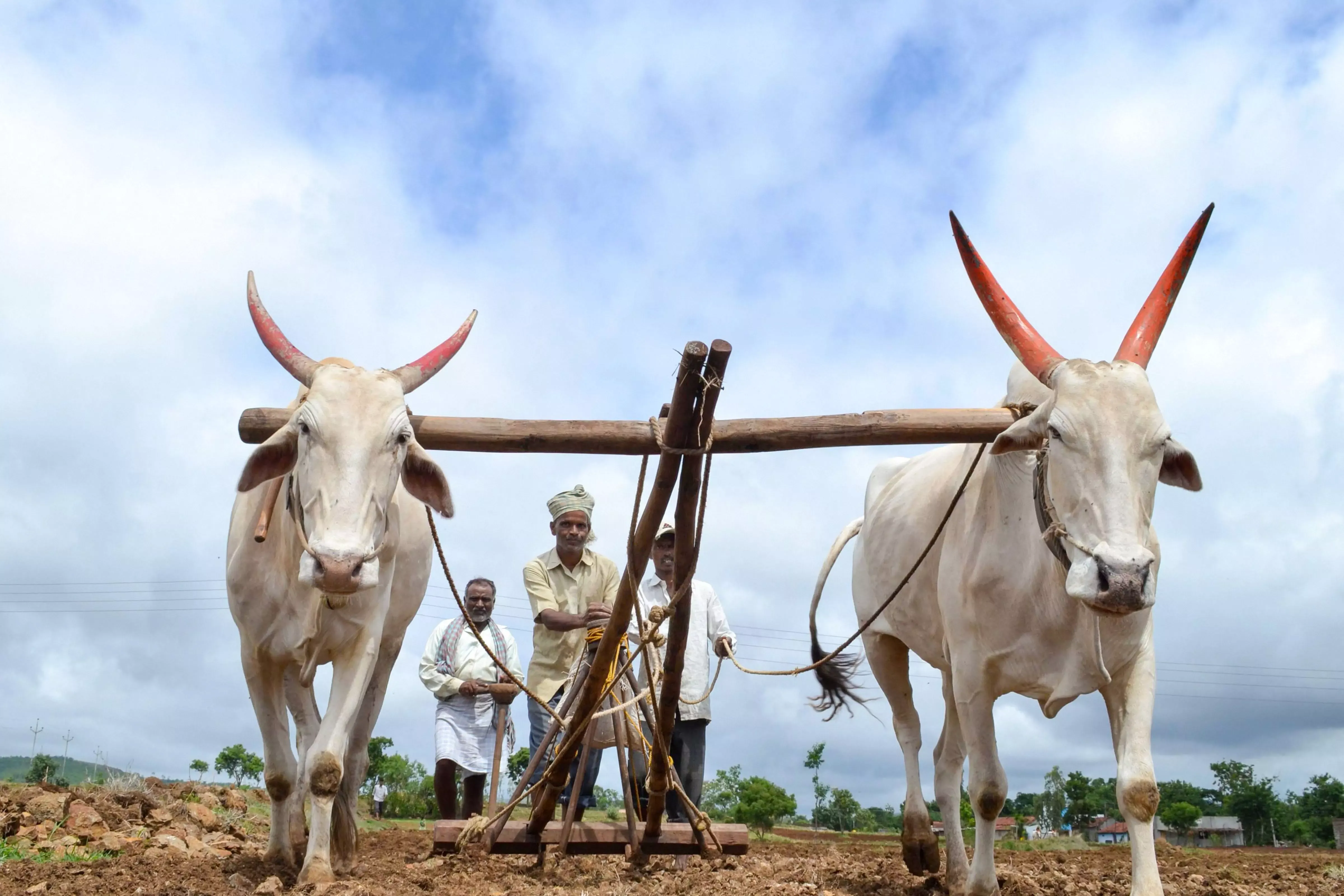
Kurubur Shanthakumar, President of the Karnataka State Sugarcane Cultivators Association, has been a vocal critic, highlighting the absence of measures addressing farmer debt and the unfulfilled promise of doubling farmers' incomes. He stated that while the budget may have seen additional allocation to the farm sector, it critically lacks the plans needed to alleviate farmers' persistent problems. The announcement of Kisan Credit Cards, he suggests, offers little solace.
Read More: New Wheat Makes Bigger Starch for Food and Industry
Karnataka's grim ranking: The state currently holds the second-highest position nationally for farmer suicides.
Loan waivers unmet: A key demand for farmers, a loan waiver, remains absent, especially when contrasted with perceived debt relief for industrialists.
Unfulfilled promises: The long-standing pledge to double farmers' incomes appears to be an ignored objective within the budgetary framework.
Focus on Production Over Income, Say Critics
While the budget emphasizes increasing the production of certain crops, such as pulses and oilseeds, and aims to boost cotton productivity, critics argue this overlooks the fundamental issue of farmer income. The government's silence on ensuring Minimum Support Prices (MSP) for produce like cotton, even as farmers lament not receiving it, underscores this perceived disconnect.

"Mission for Cotton Productivity": Announced as an initiative, but without addressing the core issue of farmers getting fair prices for their yield.
Rural prosperity programs: Schemes focusing on rural prosperity and resilience, while laudable, are seen as lacking direct impact on immediate agrarian needs.
Broader Economic Concerns Overshadow Rural Sector
Beyond the agricultural sector, the budget appears to have overlooked significant rural distress. Employment schemes like MNREGA saw no substantial increase in funding, despite evident rising hardship in rural areas. The budget also presents economic challenges, with a higher fiscal deficit and concerns about long-term fiscal sustainability.
Limited job stimulus: The budget lacks a concrete employment policy, particularly for the informal sector, which constitutes a large portion of rural labor.
Fiscal deficit: Increased infrastructure spending has led to a higher deficit, raising questions about financial prudence.
Inequitable benefits: While the middle class may see some benefits, lower-income groups and the rural poor appear to receive limited direct financial relief.
Background: A Climate of Discontent
The dissatisfaction expressed by farmers and their representatives like Kurubur Shanthakumar is not new. It stems from a protracted period of hardship characterized by crop failures due to erratic weather patterns – both drought and excessive rainfall – and the inability to recover production costs. Farmers have reported being unable to meet with concerned ministers, who are perceived as being more engaged in political maneuvering than addressing critical governance issues. The cost of cultivation, particularly for crops like sugarcane, often exceeds the price offered, leading to a cycle of debt and despair. This has fueled frustration and a sense of being sidelined by policymakers, with farmers expressing their intention to make their voices heard in future electoral processes.
Read More: Karnataka requests higher Totapuri mango limit for farmers in April 2026