

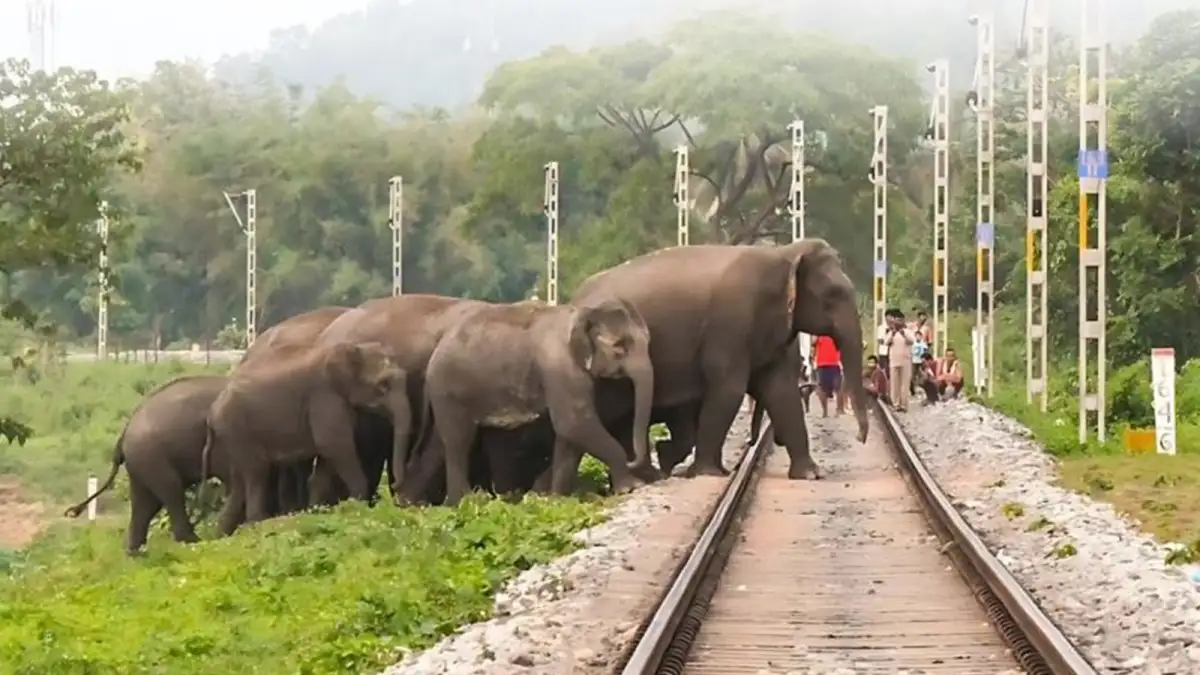
Chikkamagaluru, Karnataka - The Karnataka Forest Department is accelerating plans to establish a 'soft release' center for wild elephants, a move aimed at mitigating escalating human-elephant conflict. This initiative comes as an estimated 300 elephants are reportedly operating outside designated forest areas, frequently entering farmlands and plantations.
The core of the plan involves the phased release of elephants into an enclosure within the Bhadra Wildlife Sanctuary, with subsequent integration into the wider sanctuary environment. This strategy is designed to provide a controlled habitat for elephants that have become accustomed to areas outside traditional forest boundaries, thereby reducing encounters with human settlements and agricultural land. The Forest Minister, Eshwar B. Khandre, disclosed on May 6 that the state is committed to this approach.
Opposition Mounts to Bhadra Sanctuary Site
Despite the urgency, the proposed location within the Bhadra Tiger Reserve has drawn significant opposition from environmental activists and some experts. Concerns center on the potential negative impacts of introducing elephants into a protected area already housing approximately 450 elephants. Critics argue that establishing such a facility within a tiger reserve contradicts established conservation principles and could disrupt the existing ecosystem.
Read More: Unregulated Tourism Hurts Tiger Breeding in India
"Establishing an elephant soft release centre within the sanctuary contradicts wildlife conservation principles and undermines the sanctuary's purpose," stated prominent environmentalists, including DV Girish of the Bhadra Wildlife Conservation Trust. They have suggested alternative locations outside the sanctuary.
The Forest Department, however, has identified four potential sites within Bhadra Tiger Reserve, citing its proximity to conflict-ridden districts like Hassan, Kodagu, and Chikkamagaluru. This proximity is seen as crucial for minimizing transport stress on the elephants. The selection criteria for these sites reportedly include the availability of water, forage, road connectivity, and a lack of human activity.
Broader Context of Elephant Management and Mortality
The human-elephant conflict in Karnataka is a multifaceted issue. Reports indicate that retaliatory killings have occurred, highlighting the tension between human livelihoods and wildlife conservation. The recent census data, coordinated by Karnataka among southern states from May 23-25, is expected to provide a clearer picture of elephant populations across various forest divisions, including those in coffee estates which have seen increased elephant presence.
Read More: Karnataka requests higher Totapuri mango limit for farmers in April 2026
Beyond conflict on the ground, elephants also face significant threats from infrastructure development. Nationally, a joint survey by the Union Environment Ministry and the Ministry of Railways has identified 77 railway stretches across 14 states where elephants and other wildlife are at high risk of collision with trains. Since August 2025, at least 186 elephants have been killed on railway tracks. This national-level effort aims to implement targeted mitigation measures along these high-risk corridors.
The proposed 'soft release' center in Bhadra represents a significant policy shift in Karnataka's approach to managing elephants that have strayed from their natural habitats, aiming for a balance between mitigating human-animal conflict and ensuring the welfare of the animals themselves.


