


Bengaluru - The Karnataka government is initiating a significant restructuring of its alcohol taxation and pricing regime, set to take effect from April 2026. The core of this overhaul involves a move to an Alcohol-in-Beverage (AIB) based excise duty system, directly linking taxes to the alcohol content per litre rather than the total volume of the drink. This is accompanied by the deregulation of liquor price fixation, granting manufacturers more autonomy in setting prices. Concurrently, the number of excise duty slabs for Indian Made Foreign Liquor (IMFL) will be halved, reducing from 16 to eight.
TAX SHIFT AND PRICING FREEDOM
The newly proposed 'Alcohol-in-Beverage' (AIB) system aims to align Karnataka's taxation with internationally recognised practices, where beverages with lower alcohol concentrations are taxed proportionally less. This approach is presented as a move towards a more "rational and globally aligned regulatory framework," potentially encouraging growth in categories like beer and low-alcohol beverages.
Read More: FIFA World Cup 2026 Revenue Reaches $15 Billion With New Ticket Prices

Alcohol Content as the Tax Basis: Excise duty will henceforth be calculated based on the actual alcohol percentage per litre.
Manufacturer-Set Pricing: Producers will be allowed to determine their product prices, moving away from the current state-controlled price fixation model. This allows for 'product placement within slabs based on market considerations'.
Simplified Slabs: The reduction from 16 to 8 pricing slabs for IMFL is intended to simplify the tax structure and reduce classification complexity.
This shift is described by proponents as a step toward greater transparency and ease of compliance, with the government setting a target of ₹45,000 crore from the excise department for 2026-27.
INDUSTRY VOICES AND POTENTIAL IMPACT
While the move towards an AIB system and price deregulation has been met with positive remarks from industry bodies like the Brewers Association of India (BAI), which hails it as a "landmark reform," concerns linger regarding potential price increases for consumers. Industry experts caution that the changes could lead to higher costs for mass-market segments, despite the explicit aim of a more "level playing field."
The relaxation of price controls, which have been in place for approximately six decades, means manufacturers will no longer need state approval for retail pricing. This newfound flexibility, coupled with a tax structure that industry players anticipate may lead to significant tax reductions, particularly for beer, could reshape the market landscape. Some executives suggest that, with the new policy, players might consider price reductions.
Read More: Karnataka requests higher Totapuri mango limit for farmers in April 2026
POLITICAL CONTEXT AND REVENUE PROJECTIONS
The announcement of these excise reforms surfaces amidst a backdrop of political contention. The ruling government faces allegations of a substantial "excise scam," amounting to an alleged ₹6,000 crore, with opposition parties demanding accountability.
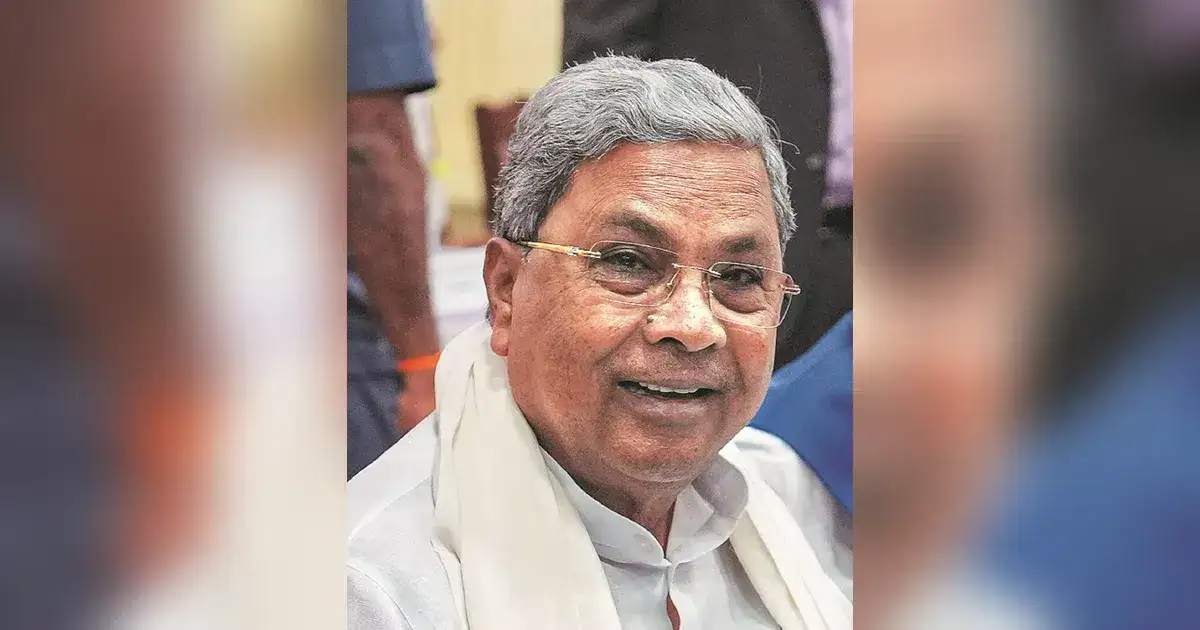
Despite these controversies, Chief Minister Siddaramaiah highlighted the strong growth in excise revenue during the current financial year, framing the reforms as essential for modernising the state's decades-old excise framework and ensuring continued fiscal contributions from the sector. The government also indicated plans to address the social ramifications of alcohol consumption through public health initiatives.
The state's excise revenue continues to demonstrate growth, underscoring the sector's significance to Karnataka's finances. The transition to the new AIB-based system and the end of price controls are slated for April 2026, marking a departure from established practices in one of India's significant alcohol markets.
Read More: Hunter Region Gets $12 Billion Train Factory


