Approximately 1,700 driver's licenses issued to transgender Kansans have been invalidated following the enforcement of a new state law. The legislation, which took effect on February 26, 2026, not only prevents future changes to gender markers on official documents but also retroactively cancels licenses that previously reflected updated gender identities. This move by Kansas positions it among a growing number of states enacting policies that restrict transgender individuals' ability to align their identification with their gender.

State Officials Target Identity Documents
The Kansas Department of Revenue has indicated that around 1,700 driver's licenses are now considered invalid because the gender marker does not match the sex assigned at birth. This directive applies to individuals who had previously updated their licenses to reflect their gender identity. Furthermore, the law impacts birth certificates, with officials anticipating that up to 1,800 birth certificates may need to be reissued to align with sex assigned at birth. Kansas joins states like Florida, Tennessee, and Texas in prohibiting gender marker changes on driver's licenses, and follows a trend seen in at least eight other states regarding birth certificates.
Read More: Pentagon Removes 180 Religious Data Points From Military Records

Legal Challenges Emerge Amidst Uncertainty
Transgender residents are mounting a defense against the new law, filing lawsuits that challenge its constitutionality. The legal challenges assert violations of due process and argue that the law unfairly targets individuals based on their gender identity. A request for a temporary restraining order to halt the law's enforcement was denied by District Judge McCabria on March 10. Despite this setback, legal advocacy groups are working to support affected individuals, including raising funds for license updates. The lack of a grace period for updating identification has added to the immediate burden on those affected.
Broader Legislative Landscape and Resident Concerns
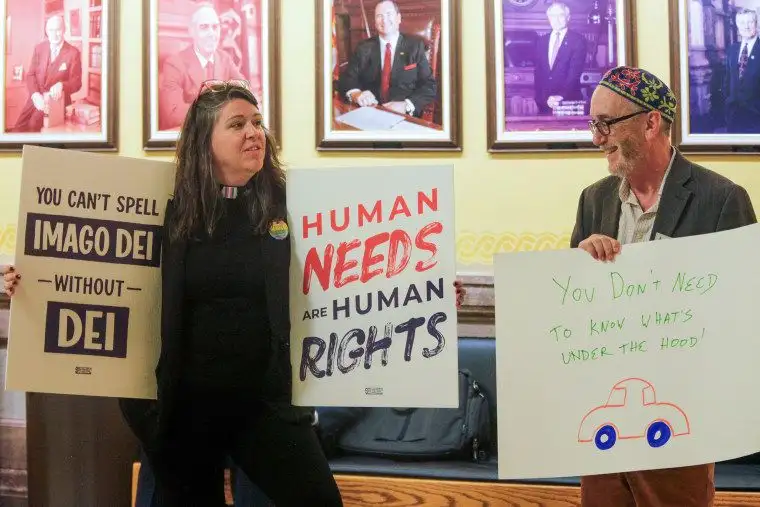
This legislation is part of a wider trend of state-level policies impacting transgender individuals. Kansas has also enacted laws restricting gender-affirming care for minors and barring transgender women and girls from participating in female sports teams. Residents have expressed concerns about the personal implications of carrying identification that does not accurately reflect their identity, highlighting potential issues when interacting with officials or in everyday situations where an ID is required. Representative Abi Boatman, the state's sole transgender legislator, has been actively addressing constituent questions regarding the law's scope and impact.
Read More: Teen Gatherings Cause Concern, Police Watch Social Media
"Kansans expect clarity, not confusion," stated Dan Hawkins, House Speaker, referencing the legislative intent behind the measure.
The legal framework for the bill's swift passage has also drawn attention, with the use of substituted text within a legislative bill, a process known as 'gutting and amending,' cited as a method to bypass standard committee reviews. This legislative maneuver is permissible in Kansas.