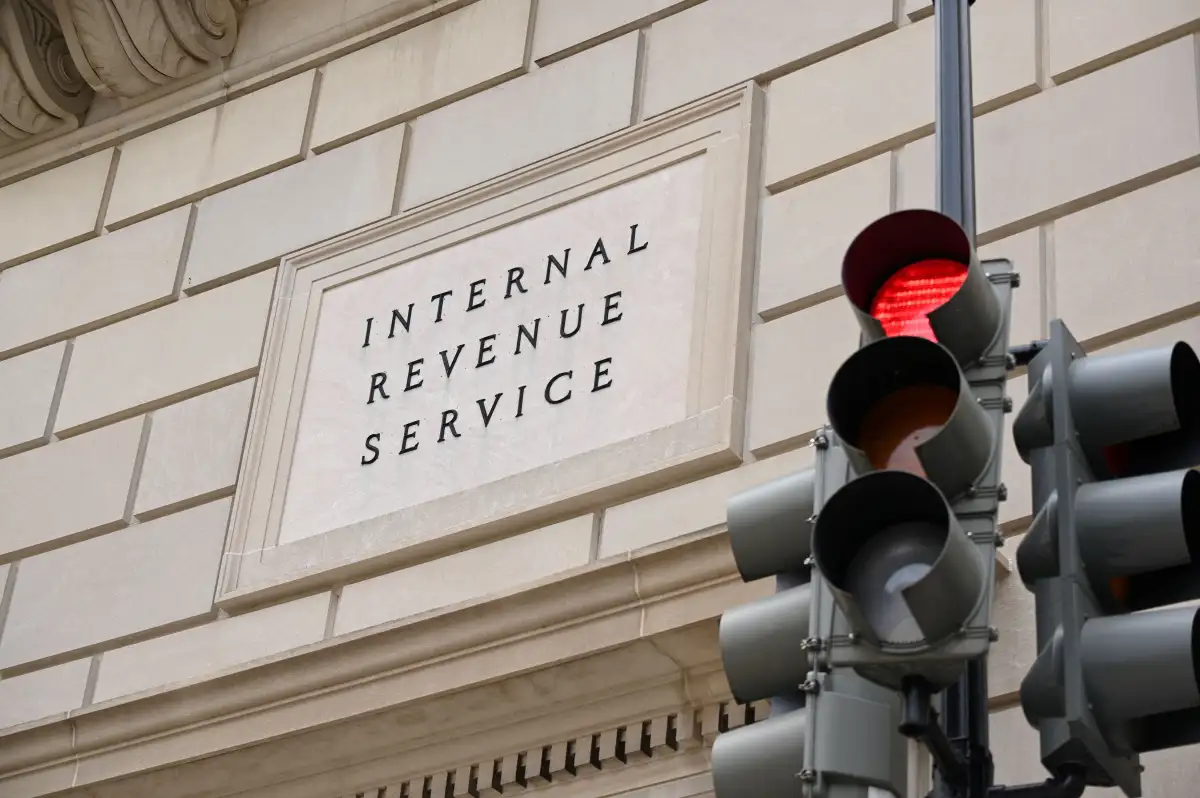
A recent addendum to a settlement agreement, signed by Acting Attorney General Todd Blanche, permanently bars the Internal Revenue Service (IRS) from examining President Donald Trump's past tax returns, his family's filings, and the financial records of his associated businesses. This provision, revealed through filings published Tuesday, effectively halts any existing or pending tax claims and audits against the former president, his children, and their companies for returns filed before the settlement's effective date of May 18.

The agreement has sparked considerable controversy, with critics labeling it an "unprecedented blending of personal and governmental interests" and a potential "self-dealing at its most grotesque." The move, described by some former IRS officials as a "blanket pardon from the IRS for any past, present, or future tax crimes," could relieve Trump and his family of significant financial liabilities, with estimates suggesting potential savings exceeding $100 million. The addendum folds Trump's long-standing tax disputes into the broader settlement, which also involves the creation of a compensation fund.
Read More: China Pushes for Own Knowledge System in Social Science
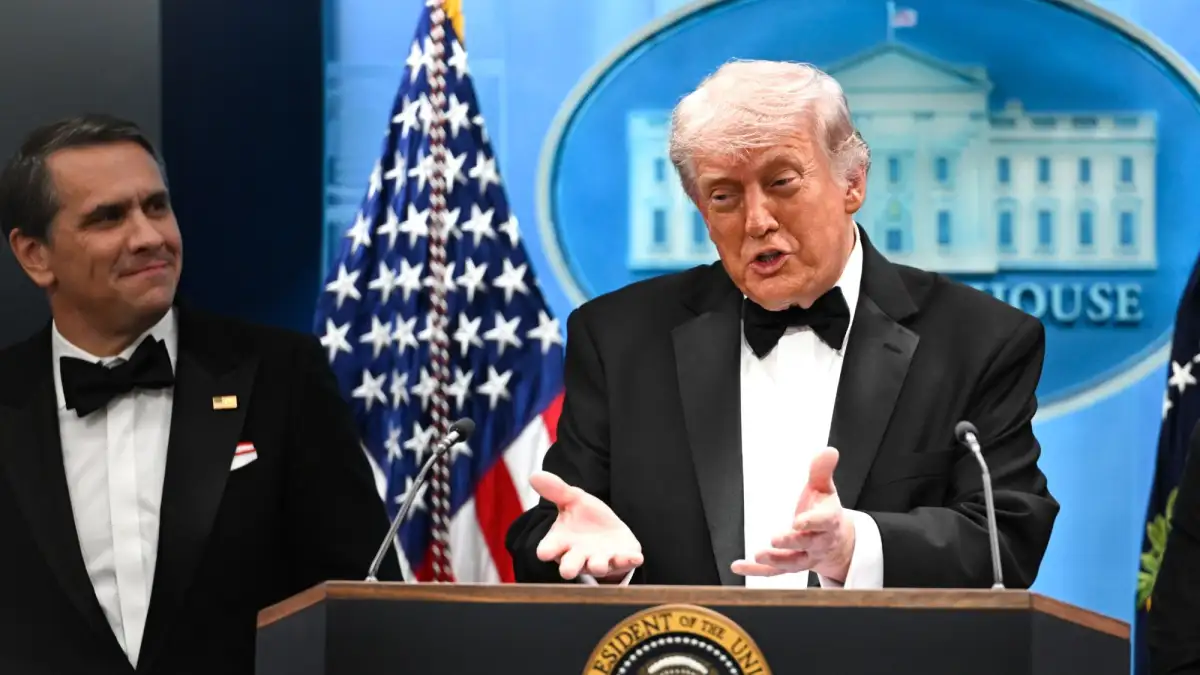
Deal's Scope and Ramifications
The Justice Department's addendum expands an initial settlement that resolved a lawsuit filed by Trump against the IRS and Treasury Department over leaked tax returns. The new language grants a sweeping release from federal tax liability, extending to a wide circle of related individuals, trusts, and entities. This administrative block shields the Trump family network from future retroactive civil tax liability probes. The Justice Department has maintained that the waiver applies only to existing audits, not future filings, a distinction that has been challenged.
Political Backlash and Questions of Power
The settlement and its subsequent addendum have ignited sharp criticism from Democratic lawmakers and former government officials. Arguments center on the potential violation of the separation of powers, particularly given Trump's status as president and his control over executive agencies like the IRS and DOJ. Legislators have questioned the propriety of an administration agreeing to shield a president and his family from the oversight of a federal tax agency. The controversy has intensified scrutiny regarding the administration's handling of legal disputes involving federal agencies, especially those touching upon the president's financial affairs.
Read More: GA Judge Stops Ethics Panel Naming Supreme Court Candidates

Compensation Fund and Departures
Concurrent with the audit shield, the settlement establishes a compensation fund, reportedly totaling $1.8 billion, intended to address claims of "weaponization and lawfare" by government entities. This aspect of the deal has also drawn fire, with accusations that taxpayer dollars are being steered towards allies and affiliated companies. In a notable development, Treasury Department General Counsel Brian Morrissey reportedly resigned his position shortly after the rollout of the compensation fund, with sources citing "deep structural concerns over the legality of the asset distribution."
Background and Precedent
President Trump has had a protracted and public dispute with the IRS regarding audits into his tax obligations and those of his business empire. The initial lawsuit against the IRS and Treasury Department, which Trump and his co-plaintiffs agreed to drop as part of this deal, involved claims related to leaked tax returns, the 2022 search of Mar-a-Lago, and the "Russian collusion scandal." The addendum itself was signed by Acting Attorney General Todd Blanche, who had previously served as Trump's personal defense lawyer in several criminal cases, a fact highlighted by critics. The legal immunity granted appears absolute for past tax returns, a situation described by some as unprecedented.
Read More: Why did MS Now host question Mike Johnson faith on May 20 2026?