President Donald Trump officially endorsed Texas Attorney General Ken Paxton on Tuesday, May 19, in his bid to unseat incumbent Republican Senator John Cornyn. The decision, delivered just days before the scheduled May 26 runoff, disrupts established Senate GOP strategies and complicates the party’s path to the general election.
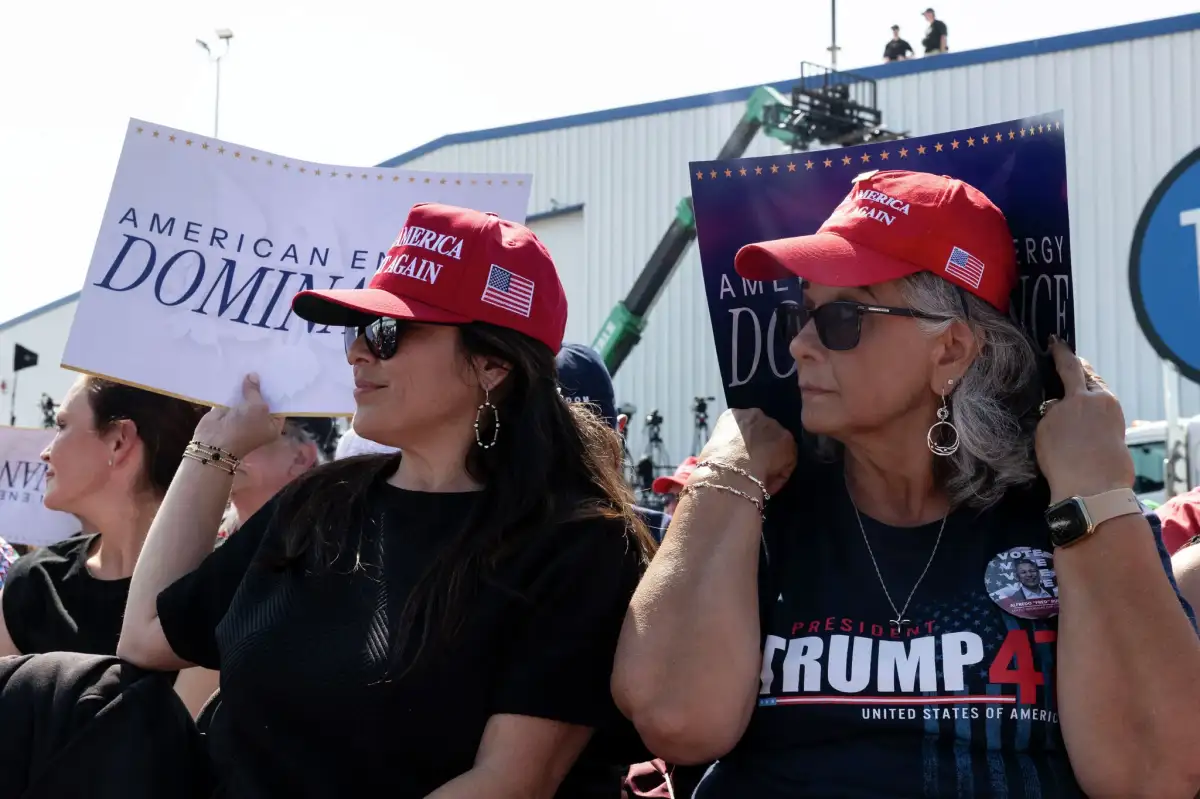
The endorsement forces a high-stakes realignment, shifting the Republican primary focus from an institutional defense of Cornyn to a populist challenge spearheaded by Paxton.
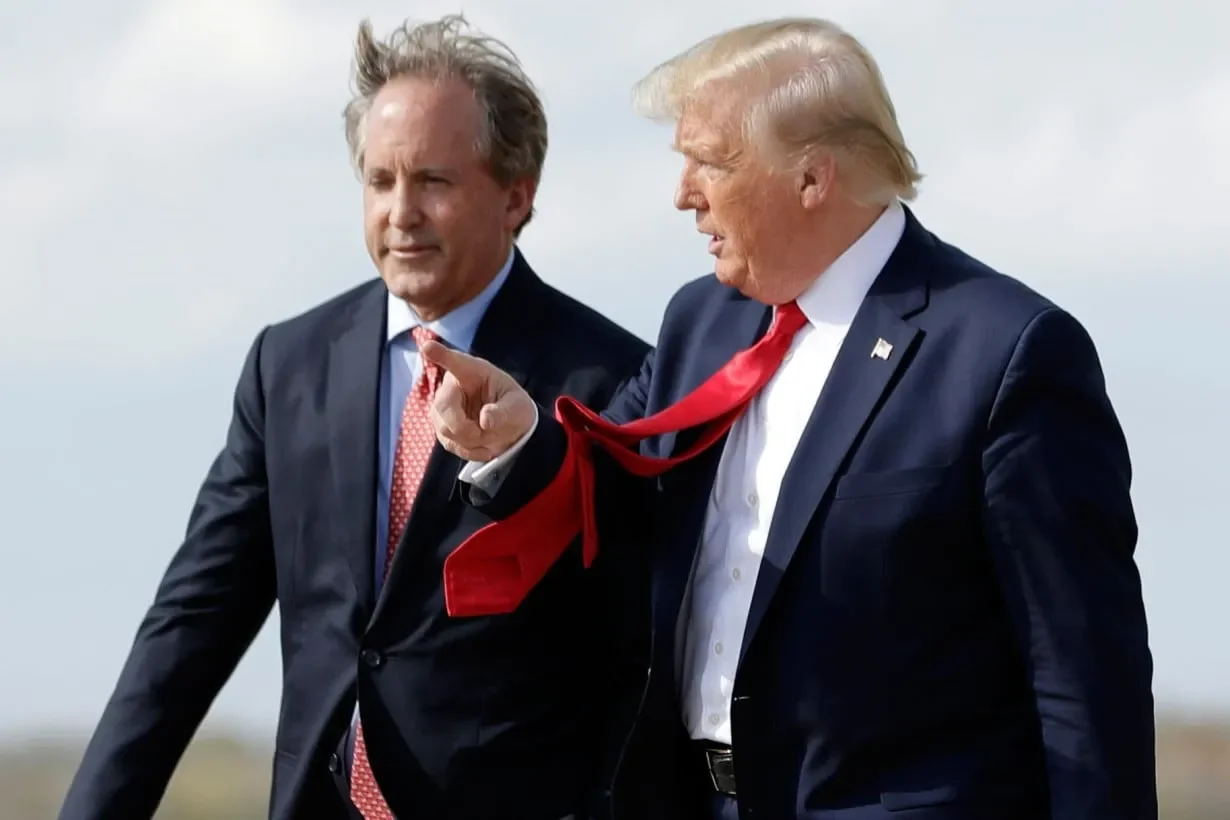
John Cornyn has spent over a year soliciting the former president's favor, banking on his record and influence to secure a path forward.
Ken Paxton effectively outflanked the incumbent by running to the right and framing himself as the most committed alignment to the former president’s platform.
Legislative friction appears to have played a part: reports indicate Trump held his endorsement until the Senate showed progress on specific pending bills, a maneuver Cornyn had attempted to navigate by signaling flexibility on filibuster rules.
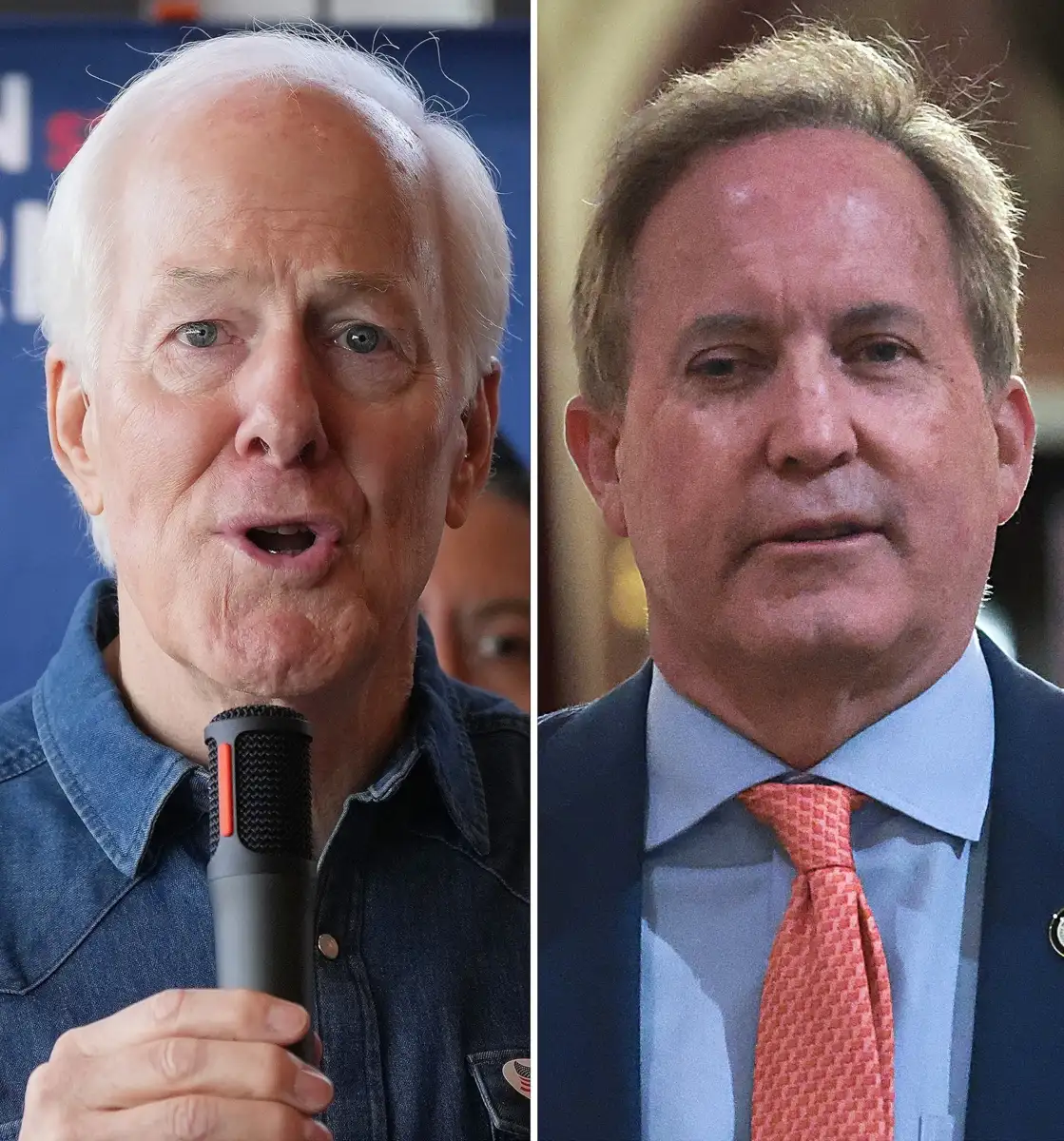
| Candidate | Status | Primary Strategy |
|---|---|---|
| John Cornyn | Incumbent | Institutional stability, experience |
| Ken Paxton | Challenger | Populist alignment, base mobilization |
The Political Mechanics of the Runoff
The move arrives at a time of deep anxiety within the party’s campaign apparatus. Republican leadership had previously urged Trump to support Cornyn, hoping to avoid the depletion of party resources in a bruising, expensive internal fight. Instead, the intervention has injected an unpredictable variable into a contest that is now days from resolution.
Observers note that Trump’s strategy involves the expectation that the candidate who does not receive his nod should exit the race. Whether the current friction between the Cornyn and Paxton camps will result in a unified front or a fractured electorate remains a core concern for local party organizers.
Read More: Taiwan Holds Nantou County Drills to Prepare for State Collapse
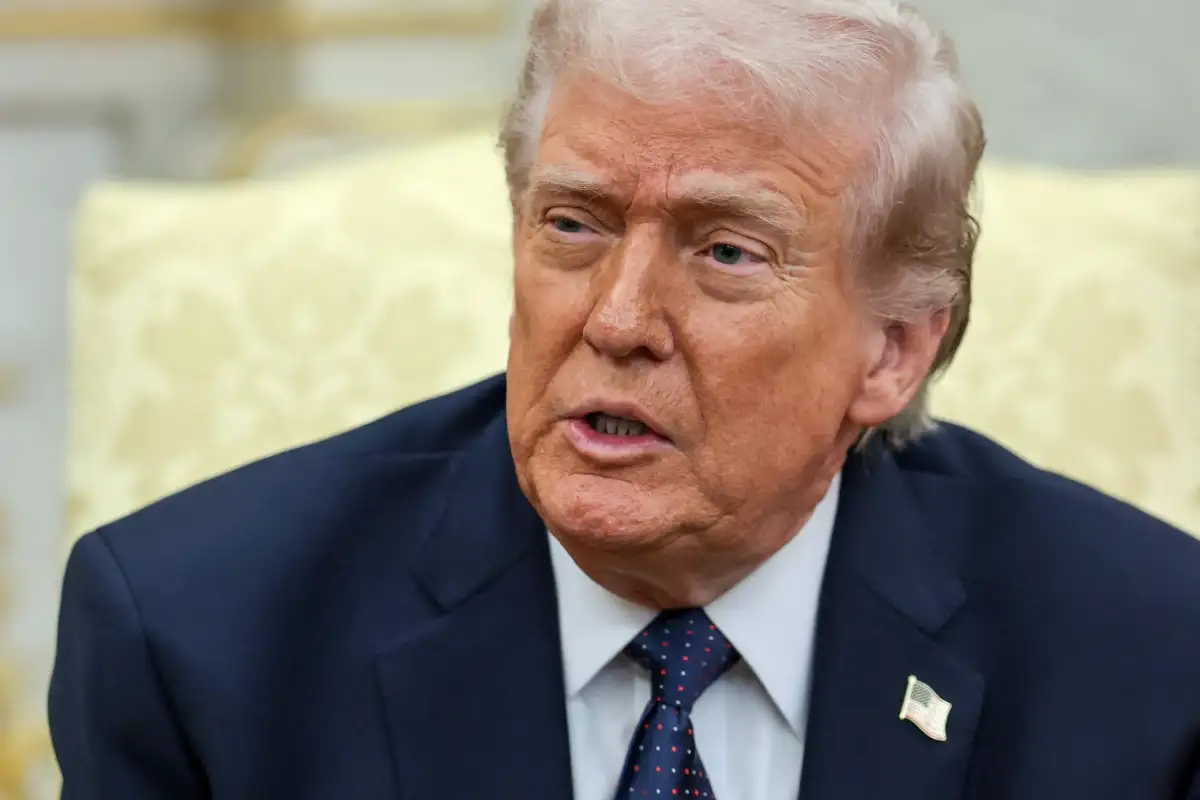
Background on the Shift
The Texas Senate Primary has been a site of long-standing friction. Early in the cycle, Trump maintained a stance of neutrality, labeling both men "friends" and "excellent candidates." This period of ambiguity allowed both sides to court his base, though it also required massive advertising spending to maintain visibility.
The eventual decision reflects the broader Republican Party power dynamic, where candidate legitimacy is increasingly tied to direct executive endorsement rather than traditional legislative seniority. As the May 26 date approaches, the Texas GOP faces a contest that is as much about the ideological direction of the national party as it is about state-level representation.
Read More: Texas Rangers beat Detroit Tigers 10-4 on July 2 2026 in Arlington