The study, examining zinc isotopes in ancient human and animal teeth from Sri Lanka, reveals a significant increase in plant consumption by humans over thousands of years, long before the advent of agriculture. This finding challenges previous assumptions about early human subsistence strategies in tropical environments.

New research, published in Nature Ecology & Evolution, has unearthed compelling evidence that ancient human populations in Sri Lanka's rainforests were steadily increasing their reliance on plant-based foods for millennia leading up to the development of agriculture. The analysis of zinc isotope data (δ⁶⁶Zn) from human and faunal tooth enamel, spanning approximately 20,000 to 3,000 years ago, indicates a gradual dietary shift towards greater plant consumption.

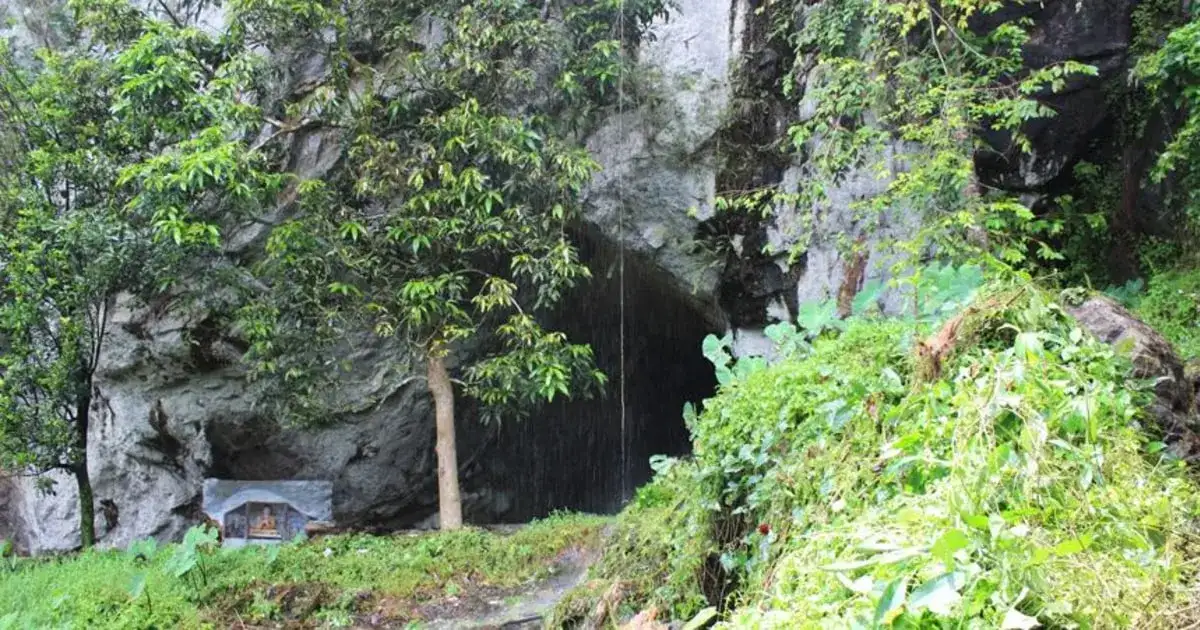
These rainforest dwellers, who occupied sites like Kitulgala Beli-lena, Fa-Hien Lena, Batadomba-lena, and Balangoda Kuragala, consistently occupied an intermediate position in the food web, consuming a mix of both animal and plant resources. However, the isotope data paints a picture of progressively greater plant intake over time. This research provides direct evidence for human engagement with rainforest resources during the Late Pleistocene and into the Holocene.
Read More: Indigenous Data Rights Now Key in Conservation Genomics
A New Window into Tropical Diets
The study's methodology hinges on the analysis of zinc isotopes in tooth enamel. As trophic level increases, δ⁶⁶Zn values tend to decrease. This geochemical approach offers a robust way to reconstruct ancient diets, particularly in tropical settings where organic materials, crucial for traditional dietary reconstruction methods like nitrogen isotope analysis, often decay rapidly.

"These rainforest populations were already intensifying their use of plant resources thousands of years before agriculture appears in the archaeological record," stated one summary of the findings. The human specimens consistently showed isotopic values falling between those of herbivores and macaques, confirming an omnivorous diet.
Deep Roots of Rainforest Habitation
The research builds upon existing archaeological work at key Sri Lankan cave sites, indicating a sustained human presence in tropical rainforest environments for tens of thousands of years. While this study provides the earliest direct evidence of human reliance on rainforest resources dating back around 20,000 years, other archaeological indicators suggest human presence in these regions could extend as far back as 38,000 to 48,000 years ago. Similar patterns of early plant resource engagement have been observed in other tropical regions, including Borneo, New Guinea, and northern Australia, where evidence points to plant processing and forest management.
Read More: Sri Lanka Fire Kills 13 in Unregistered Home for Mentally Ill
This work utilized samples from 24 human and 57 faunal teeth, with analysis conducted using a Thermo Scientific Neptune MC-ICP-MS. The study acknowledges the difficulties in identifying plant use directly due to tropical decay, highlighting the importance of zinc isotope analysis as an "exceptional window into dietary habits."