Acting Attorney General Todd Blanche has declared the $1.8 billion "anti-weaponization" fund, a component of a recent settlement with the Trump family concerning past tax returns, is officially defunct. The pronouncement came during testimony before the House Appropriations Subcommittee on Commerce, Justice, Science, and Related Agencies on Tuesday.
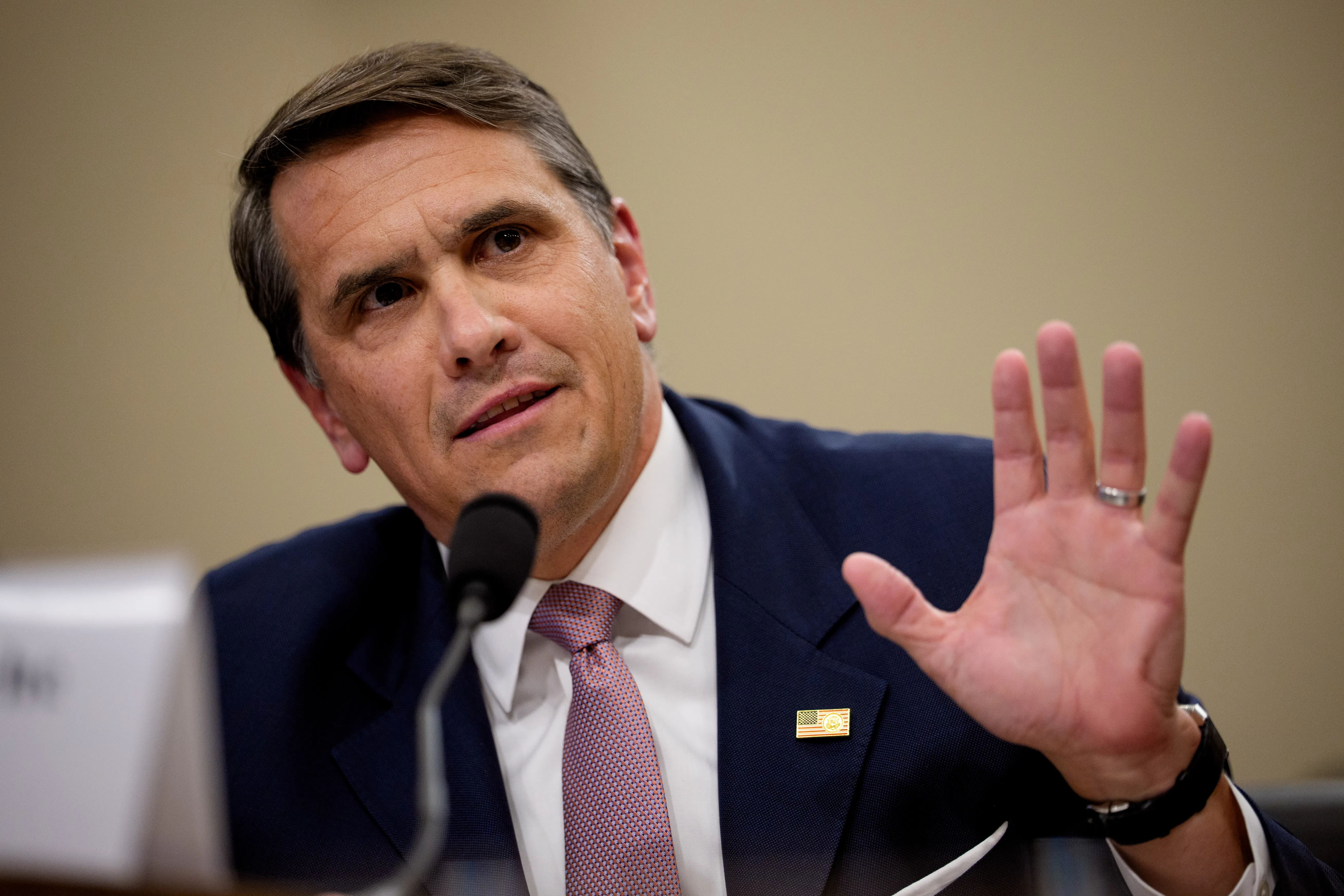
Blanche stated unequivocally that the Justice Department would "not [be] moving forward" with the fund, directly addressing concerns that had been amplified by both Democratic and Republican lawmakers. The decision follows mounting pressure and threats of legislative roadblocks from within the Republican party, who warned the fund's existence jeopardized their broader agenda, including an immigration enforcement bill. A federal judge had also previously issued a temporary injunction against the fund's establishment amid ongoing litigation.
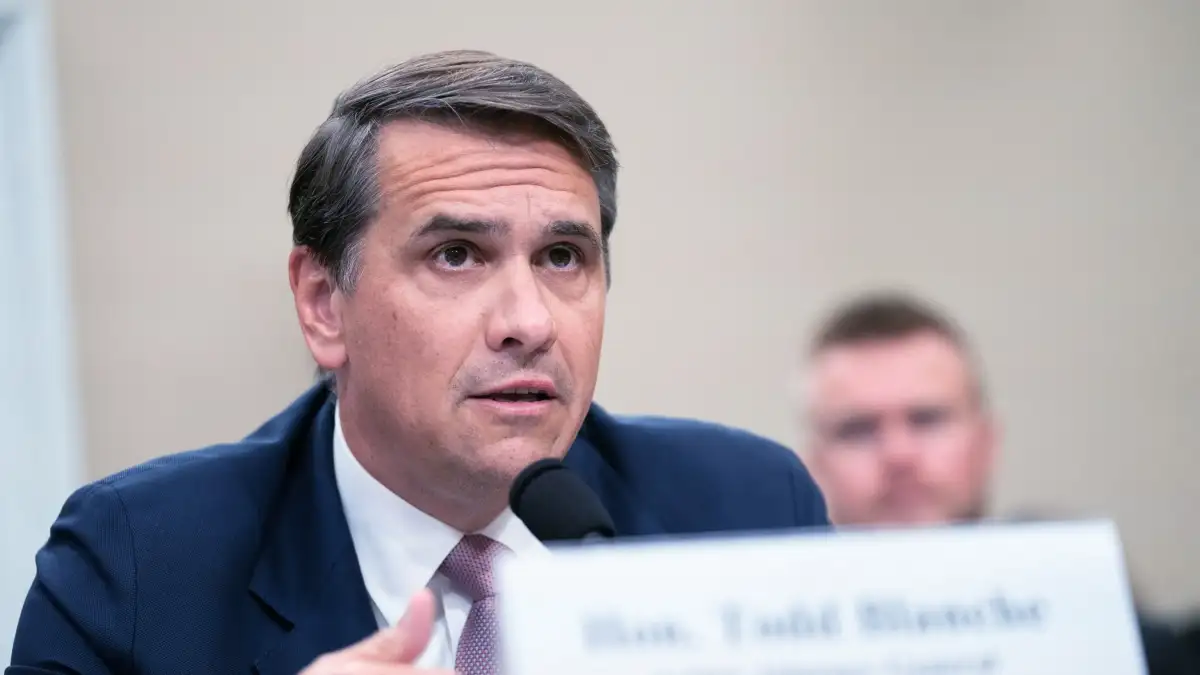
Despite the abandonment of the fund, Blanche affirmed that other provisions of the settlement remain intact. These provisions continue to shield President Trump, his family members, and their business entities from tax audits and enforcement actions related to tax returns filed prior to the settlement's announcement. Blanche himself had personally endorsed a May 19 addendum to the lawsuit settlement, which solidified this protection. This aspect of the settlement has drawn bipartisan criticism, with some Democrats deeming Blanche's verbal assurances regarding the fund insufficient and demanding written confirmation. Blanche, however, declined to commit to putting the rescission of the fund in writing, citing the existence of a hearing transcript.
Read More: Acting DNI Pulte Fires Dozens of Intelligence Officials Starting Thursday
The "anti-weaponization" fund emerged from a settlement announced in May between the IRS and President Donald Trump, along with his sons Donald Trump Jr. and Eric Trump, and the Trump Organization. The settlement itself has faced significant scrutiny, particularly the clause permanently barring the IRS from auditing the former president, his family, or their businesses concerning prior tax periods.
The Justice Department had initially stated it would comply with the judge's order temporarily pausing the fund's establishment, but critics had expressed doubt about the department's intentions. The move to dismantle the fund represents a notable reversal for the department, which had been defending the settlement's terms. Blanche's testimony aimed to address these controversies and clear the way for stalled legislative efforts, particularly a Republican-led bill focused on immigration enforcement.