Diners are noticing an uptick in restaurant bills, prompting questions about the reasons behind these changes. While inflation is often cited, a deeper examination of the industry reveals a complex interplay of rising operational costs, including ingredients, labor, and external economic factors.
Shifting Costs Impact Dining Out
The cost of dining out has become a significant concern for both restaurant operators and consumers. Evidence suggests that restaurants are increasingly implementing price adjustments to manage escalating expenses, a trend driven by various economic pressures.

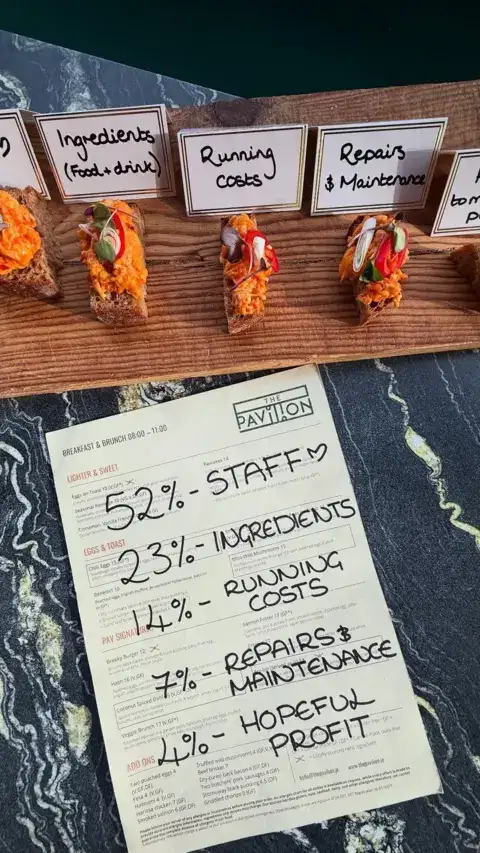
Increased Food and Labor Costs: Data indicates a broad rise in the price of essential ingredients. Restaurant operators are reporting higher costs for staples like coffee, burgers, and even specialty items such as imported seafood and produce. This surge is not limited to food; labor costs, including wages and benefits, are also identified as a major strain on profitability.
Operational Expenses: Beyond direct ingredient and labor costs, other operational aspects contribute to the need for price adjustments. These include supplier price increases, potential impacts from tariffs on imported goods, and the general cost of running a business.
Consumer Behavior: The economic climate also affects consumer spending. Some reports suggest diners are becoming more budget-conscious, dining out less frequently and actively seeking promotional deals. This creates a challenging environment where restaurants must balance cost recovery with customer retention.
Factors Contributing to Price Increases
Multiple factors are cited as the primary drivers behind the current trend of rising restaurant prices.
Ingredient and Supply Chain Pressures
The price of raw ingredients has seen a notable increase, forcing restaurants to re-evaluate their menu pricing.

Ingredient Cost Fluctuations: Suppliers are alerting businesses to upcoming price hikes for key items. For instance, a 10 percent increase in chicken prices might necessitate a menu price review.
Imported Goods and Tariffs: Tariffs on imported foods, such as specialty items from Asian countries used for sauces and spices, are creating cost disruptions. Similarly, reliance on internationally sourced seafood and produce makes restaurants vulnerable to changes in global trade policies and pricing.
Labor and Operational Demands
Beyond food, the cost of employing staff and maintaining operations plays a critical role in pricing decisions.
Staff Wages and Benefits: Over half of restaurant professionals surveyed identify staff wages and benefits as the biggest squeeze on profitability. In some sectors, labor issues are listed as the most critical operational challenge, with over 85 percent of professionals reporting an impact on their operations.
Operating Environment: Government decisions and the broader economic environment are described as creating an "impossible environment to operate in" for some businesses. Restaurants are working longer hours to keep costs low, but these efforts are often insufficient to offset systemic cost increases.
Industry Responses and Consumer Impact
The restaurant industry is adapting to these economic realities through various strategies, while consumers are experiencing the direct effects.
Read More: Steven Cohen's Firm Buys Amazon Stock, Sees AI Future

Restaurant Strategies
Operators are employing a range of tactics to navigate the rising cost landscape.
Menu Price Adjustments: A significant portion of restaurant operators plan to increase menu prices further if inflation and other cost pressures persist. This is often a necessary step to offset the impact on their bottom lines.
Cost Management: Some restaurants are adopting transparent approaches, sharing their cost breakdowns with customers to explain price changes. Others are working to keep their own costs low through efficient operations and long working hours for management.
Industry Advocacy: Industry associations are highlighting the "sad reality" of the current economic situation, urging for a halt in base cost increases and calling for government intervention.
Consumer Reactions
Diners are noticing the changes and adjusting their habits accordingly.

Reduced Spending: Consumers are pulling back on spending and dining out less frequently. They are also actively seeking promotional deals to manage their budgets.
Price Sensitivity: While quick-service restaurants have sometimes lowered prices as inflation eases, sit-down establishments may see more subtle price changes. However, potential increases on items like wine and avocados are already causing concern within the industry.
Expert Analysis
Industry professionals and observers offer insights into the current pricing dynamics.
"Inflationary pressures' CEO Marcus Calvani said base costs "must stop rising" and government decisions had created "what is quickly becoming an impossible environment to operate in"." - Article 1
"Nearly half of restaurant operators said they plan to increase menu prices if inflation, tariffs, and labor costs continue to climb." - Article 2, citing Toast survey
"It takes a lot of people and expensive ingredients. Don’t worry: the restaurant owner has noticed this trend, too." - Chef José Andrés, Article 5
"With restaurants operating on very tight margins, many operators may have no choice but to increase menu prices, something they are reluctant to do, because we know Americans may have to make the choice to dine out less frequently if prices go up." - Michelle Korsmo, National Restaurant Association, Article 6
Conclusion and Implications
The evidence points to a clear trend of rising restaurant prices, driven by a convergence of economic factors.
Overarching Causes: The primary drivers appear to be escalating ingredient costs, increased labor expenses, and broader operational challenges, including tariffs and supply chain disruptions. Inflation acts as a significant, though not sole, contributor.
Industry Outlook: Many restaurants are operating on thin margins and are forced to increase prices to remain viable. This situation is particularly acute as the industry faces potential impacts from tariffs and continued cost pressures.
Consumer Perspective: Diners are responding by reducing their frequency of dining out and becoming more price-aware. The long-term effect of sustained price increases on consumer behavior and the overall restaurant landscape remains a key consideration.
Future Considerations: The sustainability of current pricing strategies, the potential for further cost increases, and the evolving relationship between restaurant pricing and consumer demand will be critical factors for the industry moving forward.
Key Sources
BBC News: Explores the direct impact on restaurant owners and their efforts to communicate cost challenges to customers.
Business Insider: Details how restaurants are passing on rising food and labor costs to consumers and outlines plans for future price adjustments.
https://www.businessinsider.com/restaurants-pass-higher-food-costs-diners-inflation-2025-10
Newsweek: Investigates why some restaurants are raising prices, highlighting labor wages, benefits, and ingredient costs as significant pressures.
https://www.newsweek.com/why-restaurants-raising-prices-10839279
EatingWell: Features Chef José Andrés discussing the reasons behind the increased cost of dining out, emphasizing labor and ingredient expenses.
https://www.eatingwell.com/why-its-expensive-to-eat-at-restaurants-right-now-8739644
The Daily Meal: Identifies specific restaurant chains that may face significant price increases due to factors like imported goods and tariffs.
https://www.thedailymeal.com/1838857/restaurant-chains-danger-price-increases/