

U.S. District Judge Paul Friedman is currently weighing whether to dismantle a Pentagon policy that effectively emptied the military’s press room of reporters who refuse to sign new, restrictive conduct codes. The legal friction centers on a New York Times lawsuit claiming the Trump administration is using "national security" as a blunt tool to choke off flow of information regarding the ongoing war with Iran.

“The policy is designed to jettison journalists and news organizations whose reporting the Department disfavors,” the New York Times legal team argued, asserting that the current press corps consists largely of conservative outlets that accepted the Pentagon’s terms.
The Conflict of Access
| Party | Stance | Core Argument |
|---|---|---|
| The New York Times | Reversal | Policy hides troop deaths and military failures in Iran. |
| Department of Justice | Preservation | Necessary to prevent unauthorized disclosure of sensitive data. |
| Judge Friedman | Skeptical | Questioned if the rules violate First Amendment protections. |
While the war with Iran escalates, the physical space for scrutiny inside the Pentagon has shrunk. The following facts define the current gridlock:

In October 2025, a mass walkout occurred after reporters were told to sign the new rules or lose their credentials.
The New York Times and The Associated Press claim the policy forces journalists to trade their independence for physical entry.
Charles Stadtlander, a Times spokesperson, noted that recent U.S. attacks on Iran and the resulting deaths of American soldiers make "impartial reporting" a necessity, not a luxury.
Justice Department attorney Michael Bruns defended the rules as "common sense" measures to stop leaks during active combat.
The Machinery of Silence
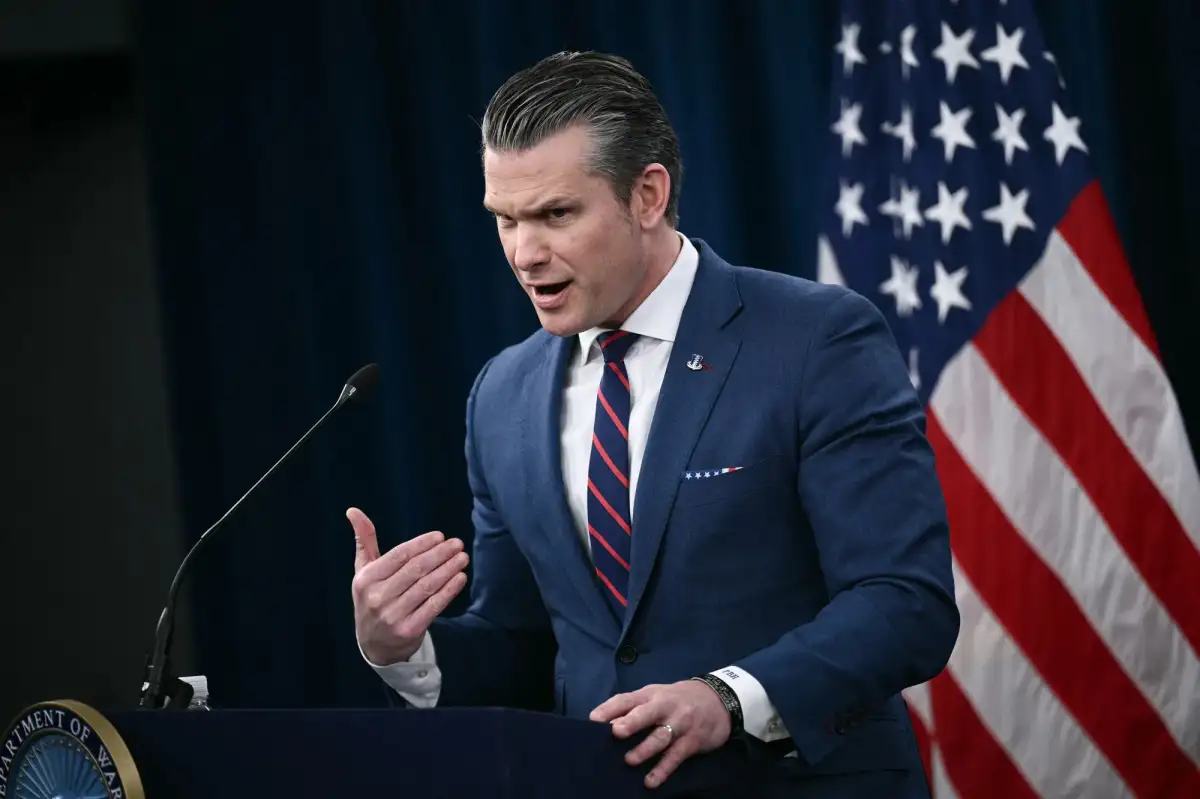
The lawsuit, filed in December, names Defense Secretary Pete Hegseth as a primary architect of the shift. Critics argue the credentialing system is a filter, not a safety net. The Pentagon Press Association described the tactic as something seen in authoritarian governments rather than a functioning democracy.
Read More: PM Modi Cuts Convoy Size By Half To Save Fuel

The judge did not issue an immediate ruling, but his questions during the Friday hearing suggest he finds the government's "national security" defense thin. He noted that the public has a right to know about the military actions happening in their name, especially when the cost is measured in lives.

Background: The October Fracture
The current blackout began in earnest last year. After the Pentagon leadership felt bruised by "unfavorable" coverage, they tightened the leash on who could walk the halls.
The Associated Press had previously sued the administration over restricted access to White House events.
The Pentagon claims reporters have "many ways" to get information without being inside the building, a claim the Times says ignores the reality of how government accountability works.
The outcome of this case will likely set the precedent for how much a War Department can hide behind its own walls during an active, lethal conflict.


