

Accusations Fly Amid Protests and Detentions
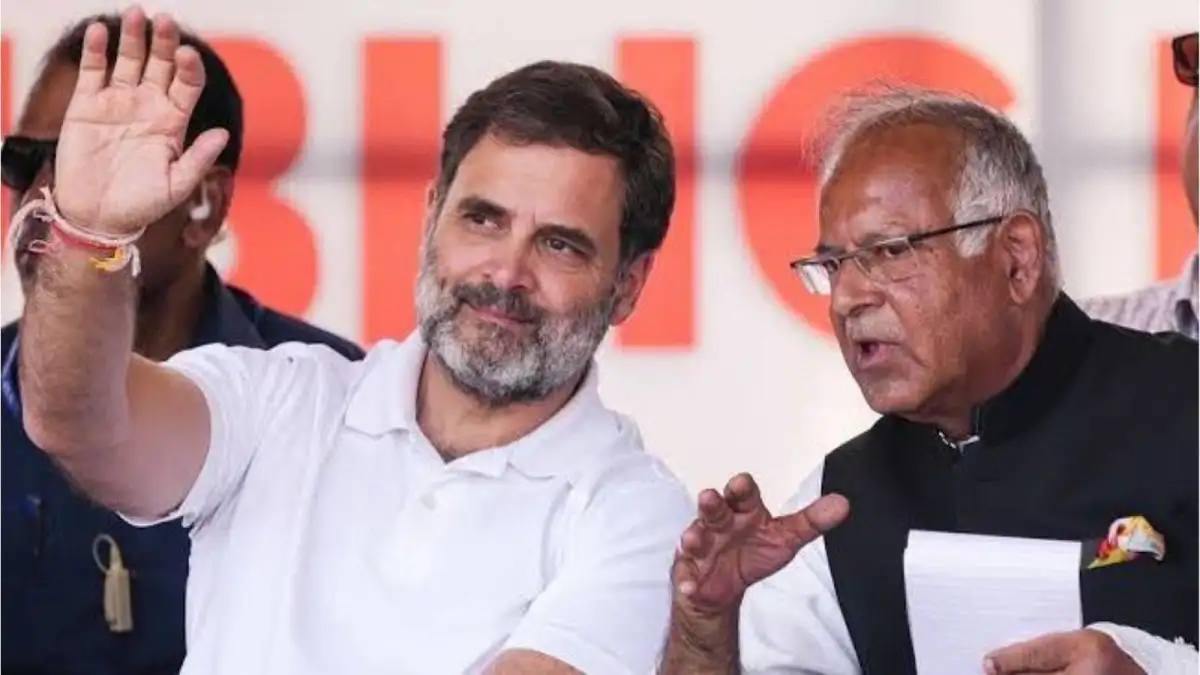
SRINAGAR/JAMMU — Tariq Hameed Karra, the Jammu and Kashmir Congress chief, has issued a stark call for Prime Minister Narendra Modi's resignation, citing a litany of foreign policy missteps and a perceived decline in India's international standing. The demand follows a series of protests staged by the Congress across the region, with party workers alleging widespread detentions and restrictions on their democratic rights.

The core of Karra's critique centers on what he terms "failures" in foreign policy, specifically mentioning US President Donald Trump's imposition of tariffs on Indian imports and penalties on Russian oil. He argues these actions signify a weakening of India's global position under Modi's leadership, asserting that countries visited by the Prime Minister for diplomatic engagements have now "turned their backs."

Protests, initially planned for all 20 districts of Jammu and Kashmir, saw participants in Srinagar, while demonstrations were reportedly blocked or curtailed in other areas of the Kashmir Valley. Congress workers in Jammu demonstrated outside their party headquarters, explicitly accusing Modi of "destroying India's global standing" and yielding to US pressure. The party has announced further actions, including a hunger strike on August 9, to press their demands.
Read More: Taiwan Holds Nantou County Drills to Prepare for State Collapse

Broader Criticisms and Allegations
Karra's accusations extend beyond trade disputes. He has also criticized the Prime Minister's "silence" on the death of Iran's Supreme Leader, Ayatollah Ali Khamenei, suggesting a lack of engagement with significant geopolitical events. The Congress chief further alleges that the government is losing control, with its actions "slipping out of his (Modi's) hands like sand," drawing parallels to the party's historical role in freeing India.
Furthermore, the Congress leadership, including party president Mallikarjun Kharge, has pointed to security lapses and potential intelligence failures. Kharge claimed that Modi cancelled a visit to Kashmir after receiving an intelligence report about a potential attack three days prior to the Pahalgam incident, which resulted in fatalities. The government has reportedly acknowledged security lapses following the attack.
Underlying Tensions and Future Actions
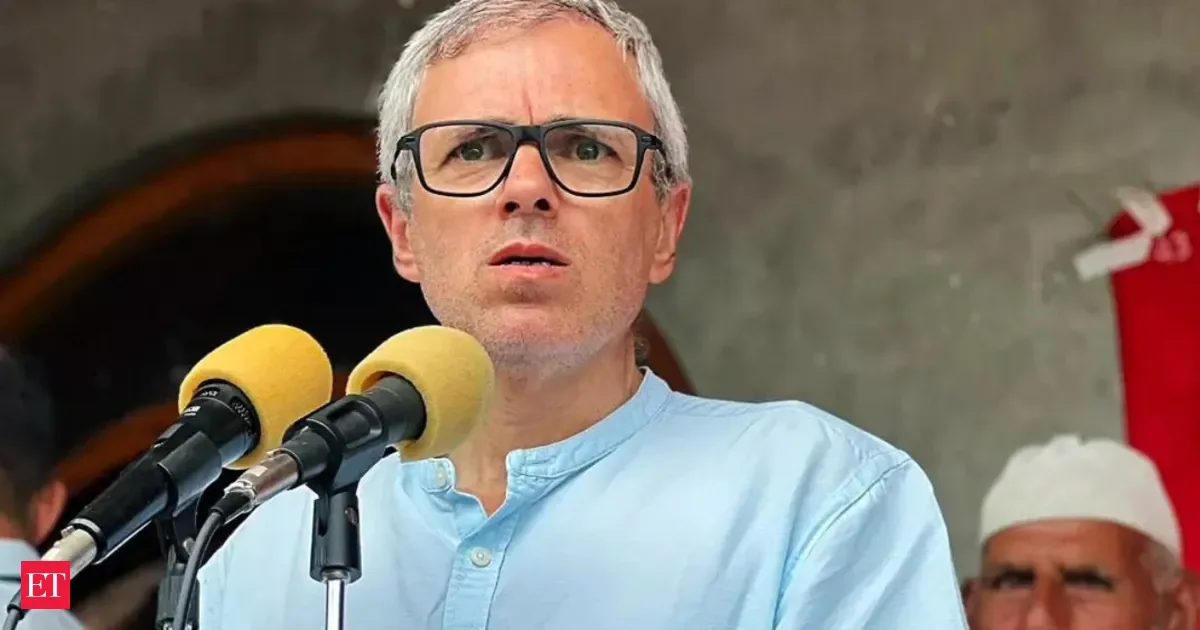
The protests and demands for resignation emerge against a backdrop of broader political discourse. While Karra asserts the Congress's right to protest, noting that the ruling National Conference is in government while the Congress offers external support, tensions within the opposition alliance are also evident. Omar Abdullah of the National Conference has remarked that the Congress needs to "earn its place as INDIA bloc leader, not take it for granted," highlighting electoral performance and strategic alliances as points of contention.
Read More: Kishtwar Police Arrest Two for Helping Militants
The Congress has also linked domestic issues, such as the rise in LPG cylinder prices, to the Prime Minister's foreign policy decisions, questioning why the public should bear the brunt of these perceived failures.
Contextual Background
The recent criticisms from the J&K Congress chief are part of a wider pattern of opposition scrutiny directed at the Prime Minister's foreign policy and governance. These accusations, particularly concerning trade relations, international diplomacy, and domestic security, are framed within the context of upcoming political actions and a critical assessment of the current administration's standing both domestically and abroad. The mention of specific trade deals, tariff impositions, and regional security incidents underscores the specific grievances being articulated by the party.
Read More: FBI Analysts Review Georgia 2020 Election Data in Fulton County







