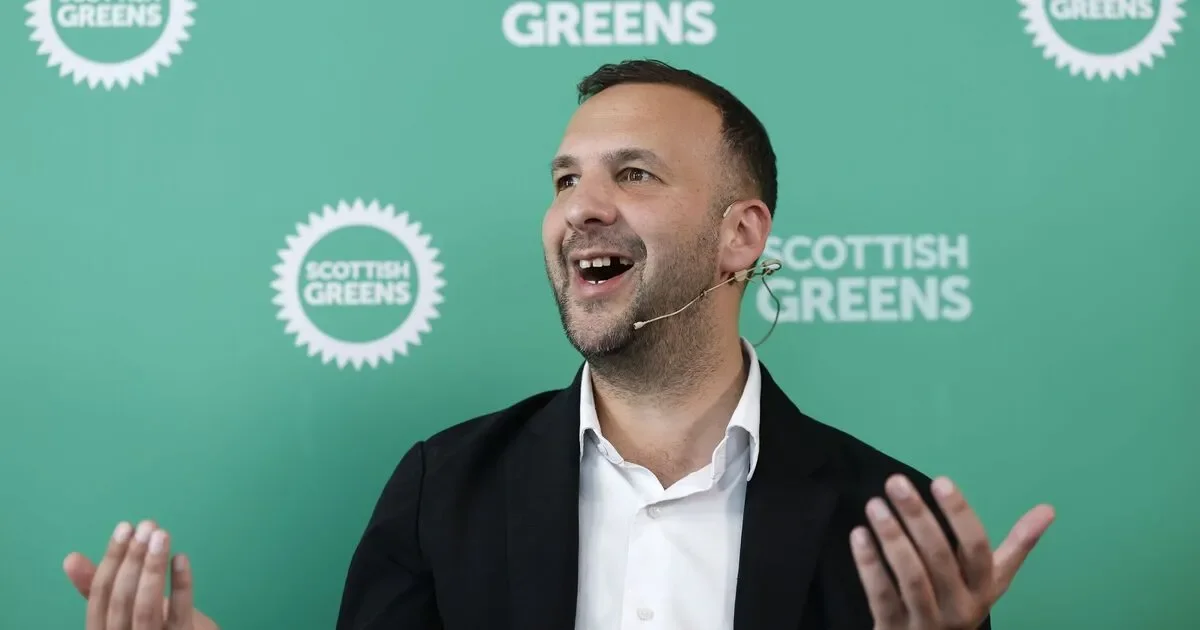
Zack Polanski, leader of the Green Party, continues to assert that police officers should remain subject to public examination, even after issuing an apology for sharing a social media post that questioned the force's response to the Golders Green attack. Polanski maintains his position that no institution, including the police, should operate outside of scrutiny. He has formally requested a meeting with Metropolitan Police Commissioner Sir Mark Rowley to discuss the matter.

The controversy ignited after Polanski reshared a post suggesting officers arresting the suspect in the Golders Green stabbing incident may have used "heavy-handed" tactics. Footage circulating online appeared to show officers kicking the suspect, who had already been subdued. Polanski conceded that sharing the post without full context "wasn't appropriate" and has since issued an apology for what he termed sharing "in haste". However, he now emphasizes the importance of finding the "appropriate forum" to discuss such issues, underscoring his belief that police actions warrant examination.
Read More: Poilievre Says Liberal Budget Means More Debt and Costs
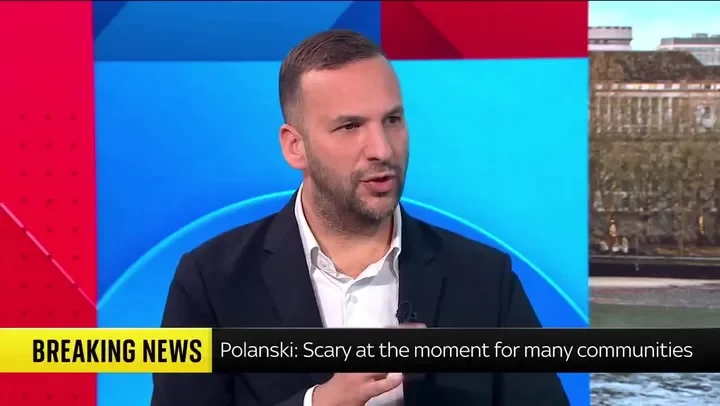
The incident has drawn sharp criticism from political figures across the spectrum. Prime Minister Keir Starmer branded Polanski "disgraceful" and "not fit to lead any political party". Liberal Democrat home affairs spokesman Max Wilkinson and Conservative figures like Kemi Badenoch and Grant Shapps have also voiced strong disapproval, with Badenoch suggesting Polanski would not question police methods if a loved one had been a victim. Sir Mark Rowley himself penned an open letter, stating Polanski's comments risked undermining public confidence in his officers, particularly during a period of heightened tensions and after officers believed they were confronting a terrorist who might have been carrying an explosive device.

Despite the widespread backlash and internal party disquiet—with some senior Green figures, including Anthony Slaughter, the party's Welsh leader, failing to offer full support—Polanski is now seeking dialogue rather than backing down entirely on the principle of police accountability. He stated his intention to discuss the police response and broader issues with Sir Mark Rowley, indicating a desire to engage directly with the Metropolitan Police leadership.
Read More: Green Party Leader Defends Police Criticism After Golders Green Attack

The Golders Green incident itself involved the stabbing of two Jewish men, Nachman Moshe ben Chaya Sarah and Moshe Ben Baila, on Wednesday. The suspect, Essa Suleiman, 45, has been charged with attempted murder and possession of a knife in a public place. He is also accused of a separate attack on a man he knew in Southwark on the same day.
Polanski's stance has also seen him defend the phrase 'globalise the intifada' as not inherently racist, though he stated he would not use it himself, arguing that points can be made more effectively without engaging in such language. This particular remark has added another layer to the public debate surrounding his pronouncements.
Background: A Climate of Scrutiny and Suspicion
The current debate surrounding Zack Polanski's comments on police conduct is situated within a broader context of increased public scrutiny of law enforcement agencies. This scrutiny has intensified in recent years, fueled by viral videos capturing arrests and instances of perceived excessive force, alongside heightened awareness of community safety and the rights of both victims and those being apprehended.
Read More: Zack Polanski Questions Golders Green Arrest Tactics Again
The Metropolitan Police, under Commissioner Sir Mark Rowley, have been navigating a complex environment. On one hand, they are tasked with responding to serious incidents, often under immense pressure and with limited information, as was the case in Golders Green. The force has also been adapting its approach to public order situations, notably in response to chants observed at pro-Palestine marches, such as "globalise the intifada," which have been deemed antisemitic by some.
Polanski's position, advocating for continued police accountability, echoes sentiments expressed by civil liberties advocates. However, the timing and nature of his initial engagement—resharing a critical post about an arrest linked to a violent attack—placed him at odds with those prioritizing immediate public reassurance and support for officers on the front lines. The response from political leaders, particularly Prime Minister Keir Starmer, highlights the significant political implications of such controversies, with immediate condemnation suggesting a strategic imperative to distance the Labour Party from any perceived undermining of police authority. The ongoing dialogue, or lack thereof, between Polanski and Sir Mark Rowley is therefore unfolding against a backdrop of national security concerns, community anxieties, and the ever-present power of social media in shaping public discourse.
Read More: Doda Lockdown Continues After AAP MLA Arrest, Internet Cut