

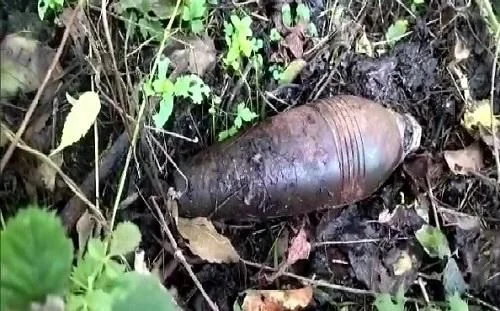
UNEXPLODED ORDNANCE A HABITUAL HAZARD
The Line of Control in Poonch, Jammu & Kashmir, has once again become the stage for a familiar drama: the defusal of an unexploded mortar shell. A shell, apparently fired from across the border at some point in the past, lay dormant in a secluded area of Brari village, within the Sawjian sector, before being discovered by a resident. This individual, an inhabitant of the border region, alerted the Army unit and the local police. A bomb disposal squad was promptly dispatched, successfully neutralizing the ordnance without incident. Officials, speaking anonymously, emphasized the inherent danger posed by such remnants, noting that their recovery in forward areas is a routine occurrence. This points to a persistent pattern where shells, fired during past 'ceasefire violations', remain buried or undetected for extended durations.
A CYCLE OF DANGER, A FAMILIAR RHYTHM
The incident, reported across multiple outlets around the same time, underscores a persistent reality for those dwelling near the Line of Control. Unexploded ordnance represents a tangible and immediate threat, a silent harbinger of potential catastrophe amidst daily life. The fact that such discoveries are described as "routine" speaks volumes about the enduring friction along this border. It is not an anomaly, but rather a recurring consequence of the protracted conflict. The recovery of this particular shell, described as having been fired from across the border, fits a well-established pattern. The implication is that the cessation of hostilities, when it occurs, is not a definitive end to the dangers, but merely a pause in a long-standing engagement.
Read More: Secret Service Promotions After Butler Attack Criticized by Congress
The defused shell was located in Brari village, Sawjian sector, Poonch district. Officials confirmed the mortar shell was apparently fired from across the border earlier but had remained unexploded. A bomb disposal squad was dispatched and defused the shell without causing any damage. The discovery was made by a border resident who then alerted the Army and police. This marks at least the third such recovery in the Poonch district in recent memory, with similar incidents involving rusted shells also being reported.
Read More: Kishtwar Police Arrest Two for Helping Militants
"Recovery of such mortar shells in forward areas is a routine occurrence as ordnance fired during ceasefire violations often remain buried or undetected for long periods before being found," one official stated.
This repeated discovery of unexploded ordnance highlights the long-term consequences of intermittent conflict. These are not isolated events but symptoms of a conflict zone where the physical detritus of past hostilities continues to pose a threat. The description of the shells as "rusted" in some reports from December 2025 and November 2025 further suggests the persistence of this danger over extended periods. The situation in Poonch, therefore, can be viewed as a microcosm of a broader regional reality, where the immediate cessation of firing does not equate to the immediate erasure of danger.
Read More: Eight arrested in Mukhmas West Bank raid on 7 April 2026


