The abrupt exit of Spirit Airlines from the aviation landscape, precipitated by crippling financial pressures including high jet fuel costs, presents a complex picture for its rival, JetBlue. While Spirit's collapse signals distress for the ultra-low-cost carrier (ULCC) and hybrid-low-cost carrier (LCC) segments, it concurrently opens avenues for competitors to absorb its market share. Spirit's demise removes over 100 aircraft and thousands of daily seats from the market, a vacuum that other airlines, notably JetBlue, are actively moving to fill.
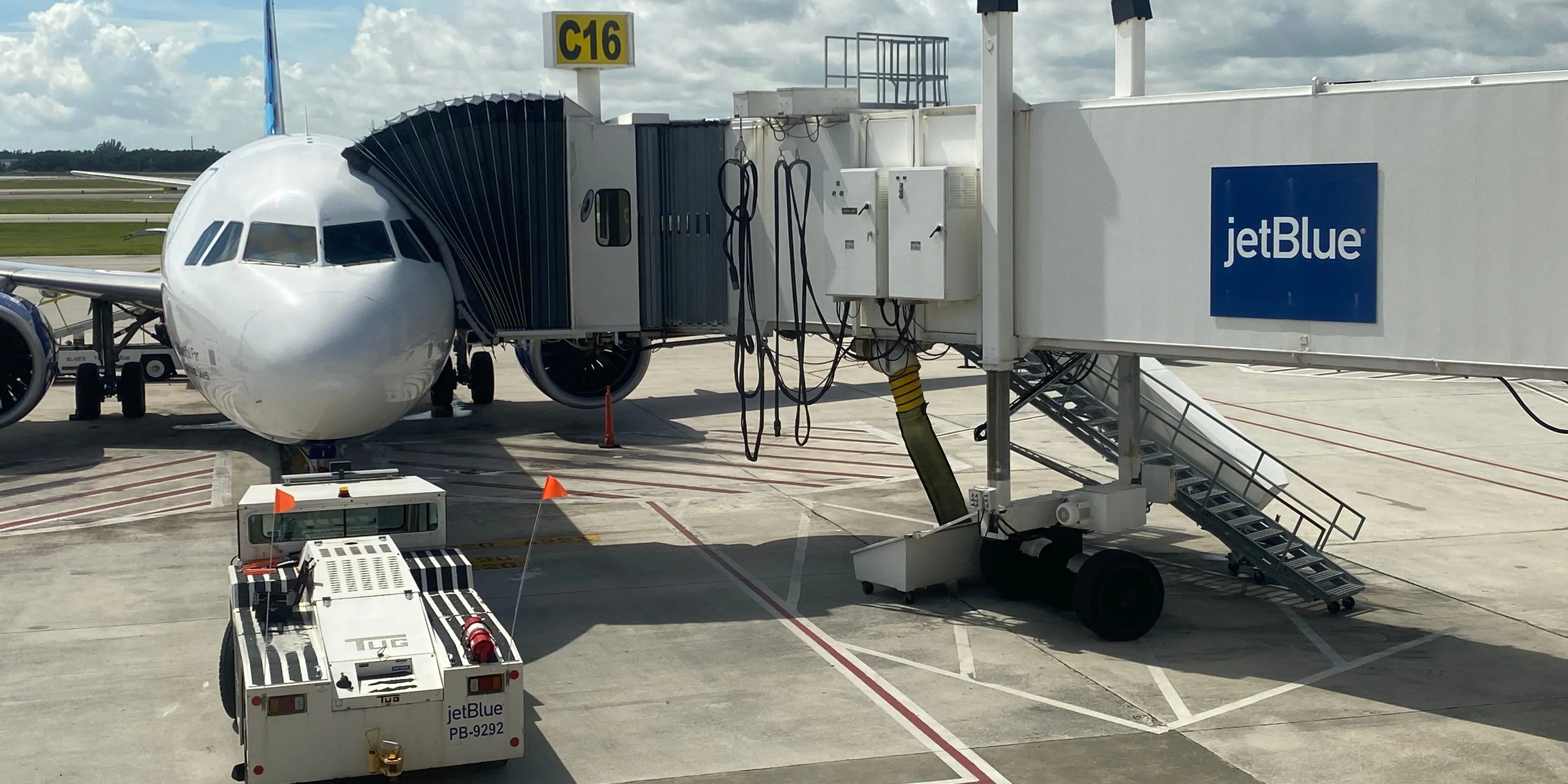
JetBlue has announced plans to launch 11 new routes from Fort Lauderdale, a significant hub for both airlines. This strategic move, with some flights commencing as early as July 9, 2026, aims to directly address the void left by Spirit's operations. Six of these new routes will serve entirely new destinations for JetBlue, signaling an aggressive expansion into markets previously dominated by Spirit. The airline anticipates operating nearly 130 daily departures from Fort Lauderdale this summer.
Read More: Fresno Airport $85 Million Funding Boost Improves Travel in April 2026
Competitive Dynamics and Consumer Impact
The withdrawal of Spirit Airlines is widely expected to influence airfares, potentially leading to an increase in ticket prices, particularly in markets where Spirit maintained a substantial presence. Its former role as a price influencer, often driving down fares on its routes, will likely diminish.
The structural pressures impacting the ULCC and hybrid-LCC segments are highlighted by Spirit's distress and JetBlue's own cautionary financial signals.
A liquidation of Spirit would represent a significant removal of capacity from the market.
Broader Industry and Antitrust Considerations
Spirit's collapse has implications that extend beyond immediate market share adjustments. It surfaces as a significant event for the future of antitrust enforcement within the airline industry. The failure of the JetBlue-Spirit merger, initially blocked on antitrust grounds, now prompts reflection on the effectiveness of such interventions and the subsequent market outcomes.
The narrative surrounding Spirit's demise is multifaceted, involving not only economic pressures like fuel costs but also the implications of regulatory decisions.
The airline's previous influence on fare competition, even when passengers opted for other carriers, underscores its systemic impact.
While JetBlue's financial capacity to absorb Spirit's debts was a point of consideration, its current expansionary moves suggest a focus on capturing immediate market opportunities.
The event leaves approximately 15,000 employees facing uncertainty.