
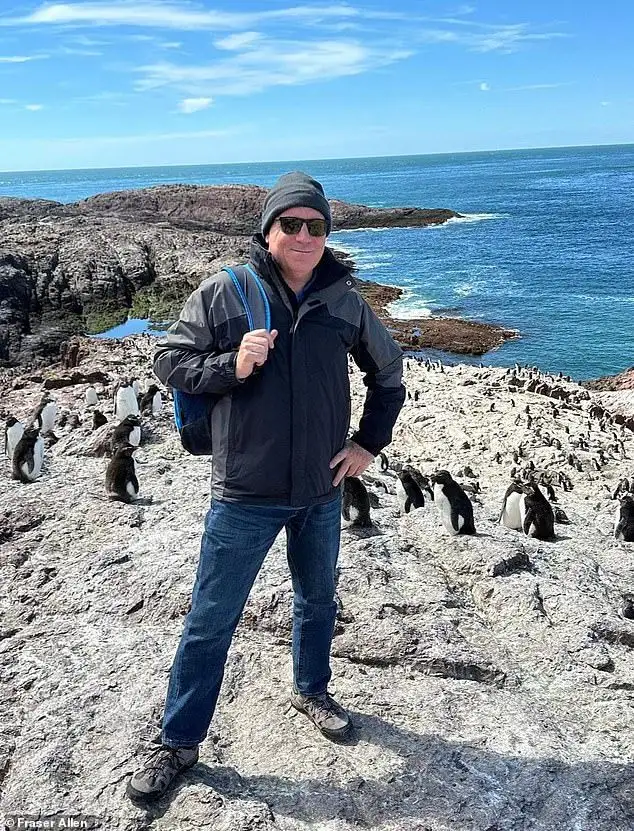
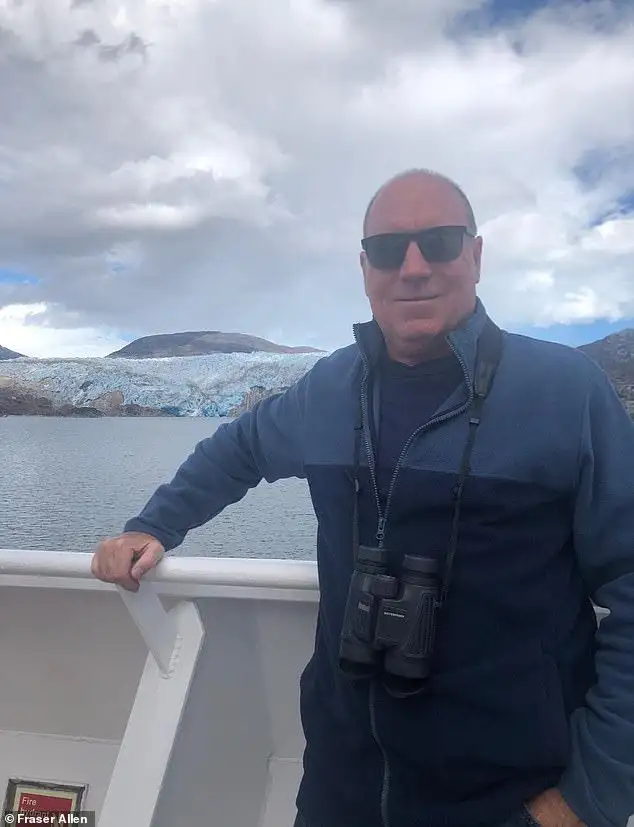
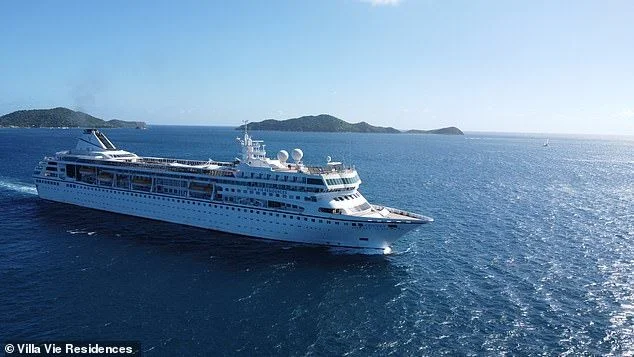
Fraser Allen, 58, a former Briton now holding dual UK and Cayman Islands citizenship, has for the past eighteen months traded a fixed abode for a life aboard the cruise ship Odyssey, operated by Villa Vie Residences. His all-inclusive existence, confined to an inside cabin, amounts to a daily expenditure of approximately $125, a sum falling below the £100 mark. Allen, who commenced this arrangement in December 2024, posits that this choice has shifted his focus away from material possessions and towards a more outward perspective. This radical lifestyle adjustment, adopted by an increasing number of individuals, questions the conventional parameters of homeownership and daily living, presenting a financed alternative to traditional land-based existence.
Financial Calculus of the Open Sea
The financial appeal of such a life is becoming a tangible reality for a growing cohort. Katrina and her partner, for instance, reported that offloading their £300,000 home allowed for a significantly more economical existence at sea. They assert that the costs associated with cruising, when weighed against UK living expenses, including utilities and fuel, render the maritime option cheaper. Their experience, as relayed, refutes common misconceptions about cruising being solely for the elderly or inherently monotonous.
Read More: Margaret River Named World's Best Wine Place
Another proponent, Jack Reynolds, has purportedly reduced his daily expenditure to around £52. Reynolds initiated his sea-bound sojourn in August of the previous year, following a relationship breakdown, describing his prior life in the UK as both "isolated and unhealthy." He emphasizes the social connectivity he has found onboard, noting more interactions in weeks than in previous years. His ability to sustain this lifestyle is partly facilitated by accumulated loyalty points from casino ventures on prior cruises, a practice he began in 2022. Reynolds travels with minimal luggage, focusing on essentials for his digital marketing agency and personal effects. His motivation appears rooted in a continuous desire for global exploration and novel experiences.

"When you minimize your ‘materialistic’ environment your focus becomes more outward looking and less about ‘self’." - Fraser Allen
"We'd always recommend testing [your remote set-up] out on a shorter cruise and making sure it's for you and you've got everything you need." - Katrina
"I just want to keep on seeing the world and having new experiences." - Jack Reynolds
Redefining Dwelling and Desire
These narratives collectively challenge the ingrained notion of home as a static dwelling. Instead, they suggest a fluidity in what constitutes "living," where the pursuit of experience and perceived financial advantage can supersede traditional anchors of property and location. The ease of disconnecting from the persistent demands of a stationary life is frequently cited as a significant benefit. The experiences shared by Allen, Katrina, and Reynolds hint at a broader societal recalibration, where the definition of a fulfilling life is increasingly decoupled from accumulated assets and instead finds expression in continuous motion and curated consumption.
Read More: What guests notice when entering your home in April 2026
The logistics of such a life, particularly for those maintaining professional engagements, appear to be surmountable. Reynolds, for example, travels with the necessary technology to operate his digital marketing agency. The potential for remote work, coupled with the structured environment of a cruise liner, seems to offer a novel paradigm for contemporary professional and personal life. The instances documented here suggest a pragmatic approach to disengaging from the perceived burdens of land-based living, facilitated by the commodification of the cruise experience into a long-term residential solution.