ICHIKAWA CITY, JAPAN — The burgeoning internet fame of a young Japanese macaque, colloquially known as "Punch," has inadvertently cast a spotlight on two zookeepers, Kosuke Shikano and Shumpei Miyakoshi, who played a crucial role in the infant's survival and integration into its troop. These handlers, now dubbed the 'Punch Papas' by an online audience, were instrumental in the macaque's early development and ongoing acclimation process at the Ichikawa City Zoo.
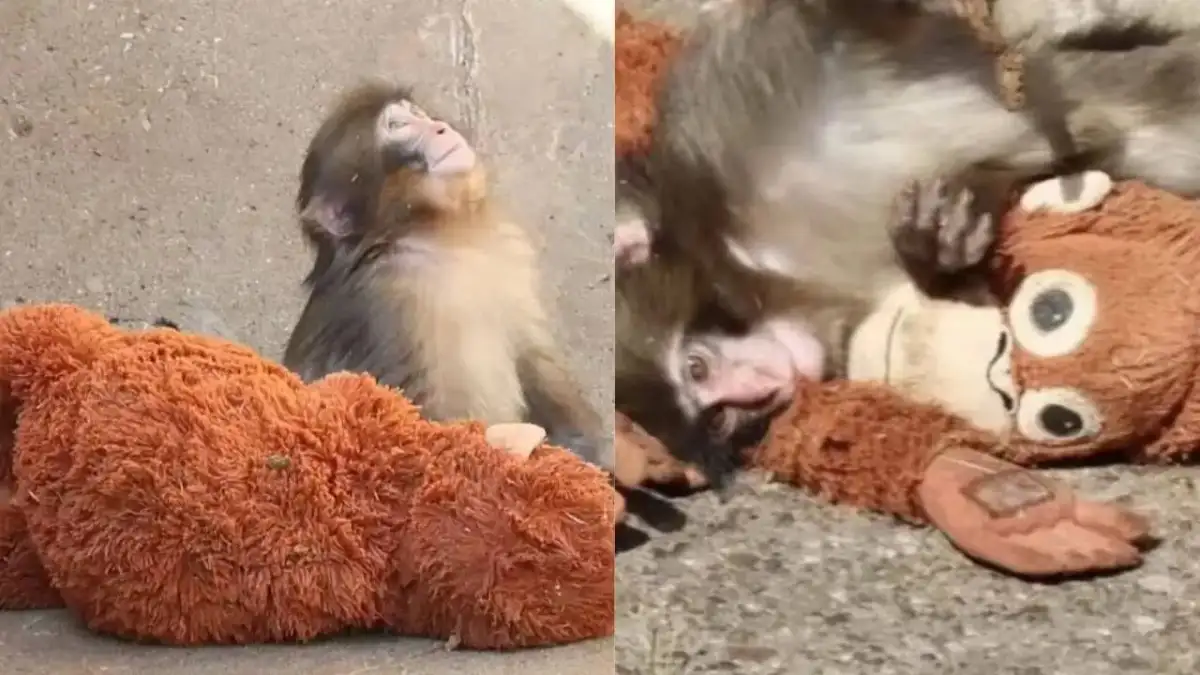
The macaque, rejected by its mother shortly after birth, relied heavily on a plush orangutan toy for comfort during its vulnerable initial months. Videos of Punch clinging to the stuffed animal, sleeping with it, and even appearing to suck his thumb while atop it, garnered millions of views and significant emotional engagement across social media platforms.

The zoo's staff, including Shikano and Miyakoshi, were responsible for the infant's daily care during this critical period. They initiated a gradual process of introducing Punch to the other monkeys in the enclosure, a move described by zoo officials as "controlled interactions" designed to foster group social behavior. This included grooming, playful roughhousing, and even disciplinary scoldings from older primates, all part of Punch's learning curve in adapting to life within a macaque community.
Read More: Orangutan Mothers Plan Playdates for Babies in Borneo
"He has a variety of experiences every day, such as being groomed, messing around with them, and being scolded, and he is learning every day how to live in a group as a monkey!"
These introductions have reportedly seen the young macaque "gradually deepening his interactions" with the troop. While the stuffed orangutan provided a vital sense of security, mirroring the tactile comfort of a mother's fur, the focus has now shifted to Punch's developing social bonds with his own species.
The intense public interest surrounding Punch has led to wider recognition for the dedicated efforts of the zookeepers. Their consistent care and methodical approach to integrating the orphaned macaque into the social hierarchy have been noted by observers. The story, amplified by hashtags like #HangInTherePunch, underscores the primate's resilience and the significant human element behind its care.
The Ichikawa City Zoo has acknowledged the public's attention, expressing gratitude for the visitors drawn by Punch's narrative. The zoo continues to monitor Punch's progress, observing his integration into the group as a key indicator of his long-term well-being.
Read More: Junji Ito Live-Action TV Shows Replace Anime on April 7 2026
Background
Punch's journey began when he was found to be rejected by his mother, a situation described by some as "nature is cruel." Faced with this early abandonment, zoo staff intervened, providing him with essential care. Early attempts at comfort involved various soft materials, but a particular IKEA orangutan plush toy became the macaque's constant companion. This toy, significantly larger than Punch himself, offered a tangible source of security, especially when the infant felt startled or overwhelmed by the social dynamics of the monkey mountain. The sight of the solitary infant clutching its plush friend resonated deeply with many online viewers, sparking widespread sympathy and concern.
The story of Punch and his toy highlights a broader commentary on animal welfare and the emotional connections forged between humans and animals, even in zoo environments. It also brings into focus the often-unseen work of zookeepers who are on the front lines of animal care, managing not only the physical needs but also the psychological well-being of their charges.
Read More: ARBA Lists 50 Rabbit Breeds for Pet Owners in 2026

:strip_icc()/GettyImages-688951857-586d7be13df78c17b6e3a3cb.jpg)