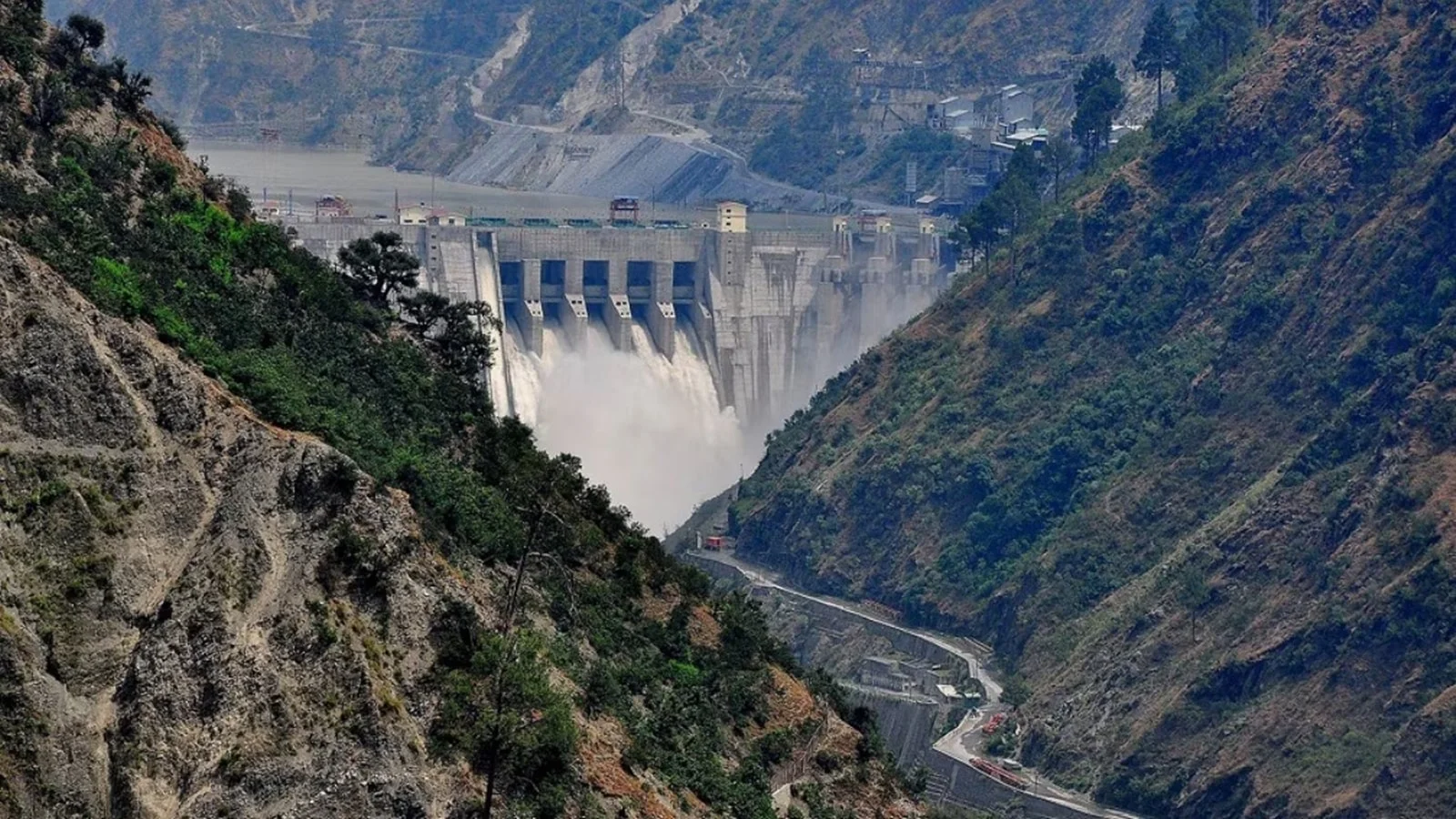
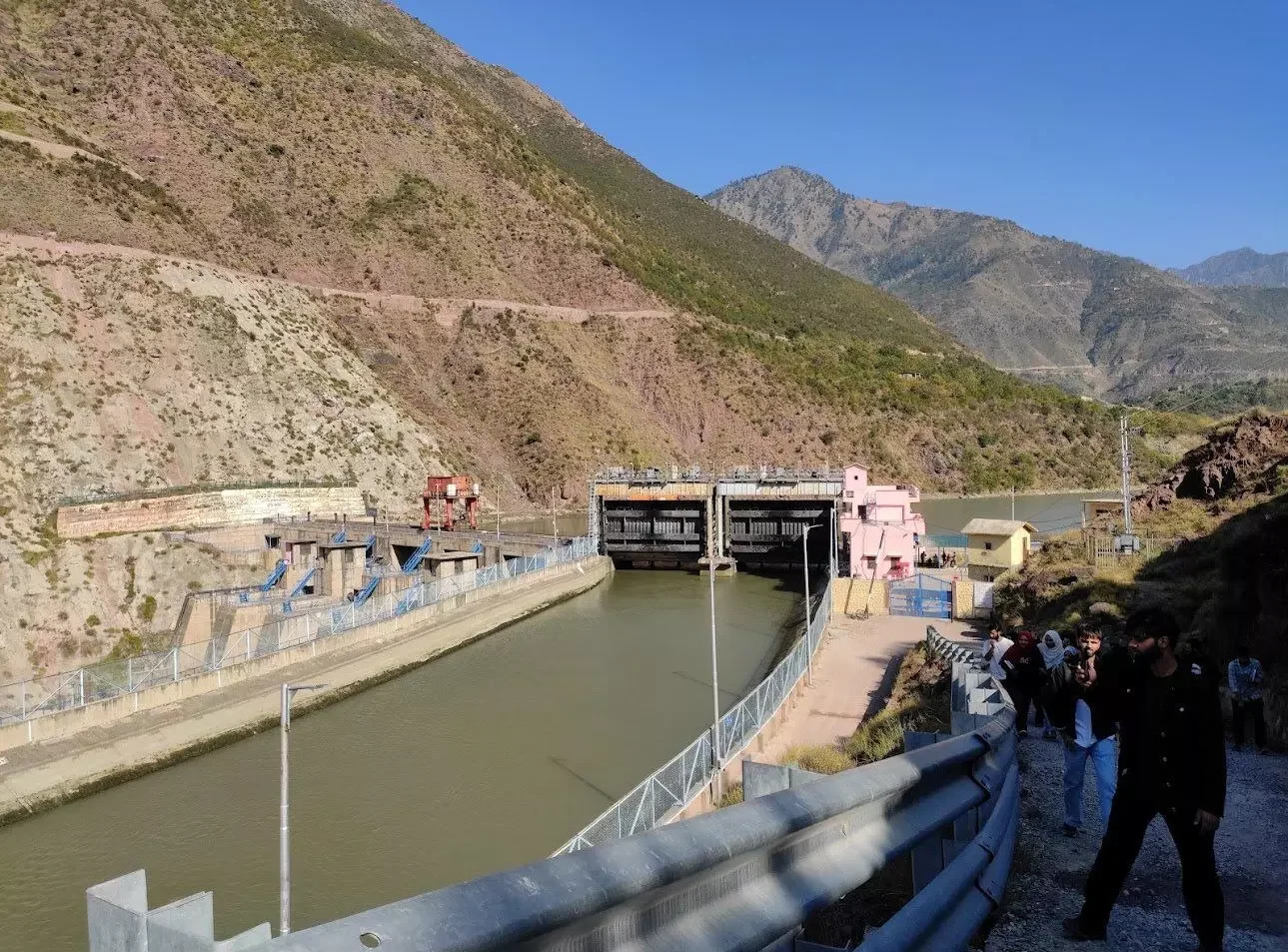
Jammu and Kashmir is witnessing a significant push to expand its hydropower generation capacity. With 32 operational projects currently producing 3,540.15 megawatts (MW), the region is poised for substantial growth, with plans to add over 3,700 MW in the coming years. This expansion aims to tap into the Union Territory's vast hydroelectric potential, which according to an Economic Survey, has been less than a quarter utilized. Despite existing infrastructure, the region continues to rely on power imports, particularly during peak demand periods in winter, underscoring the urgency of increasing domestic generation.

Current Operational Capacity and Distribution
The Union Territory of Jammu and Kashmir currently operates 32 hydropower projects with an installed capacity of 3,540.15 megawatts (MW). This capacity is distributed across different sectors:

Central Sector: Managed primarily by the National Hydroelectric Power Corporation (NHPC), which operates six projects totaling 2,250 MW.
Union Territory Sector: Overseen by the Jammu and Kashmir Power Development Corporation (JKPDC), comprising 13 projects with an installed capacity of 1,197.40 MW.
Independent Power Producers (IPPs): This sector includes projects managed by entities like JKSPDC and JAKEDA, with 12 projects contributing 92.75 MW. JAKEDA has also allotted 56 Mini Hydel Projects (MHPs) with an aggregate capacity of 147 MW under the IPP mode, of which seven with a cumulative capacity of 35.25 MW have been commissioned.
Future Capacity Additions
Jammu and Kashmir is planning a considerable expansion in its hydropower capacity over the next five years.
Read More: EU Starts Trade Case Over Solar Panels
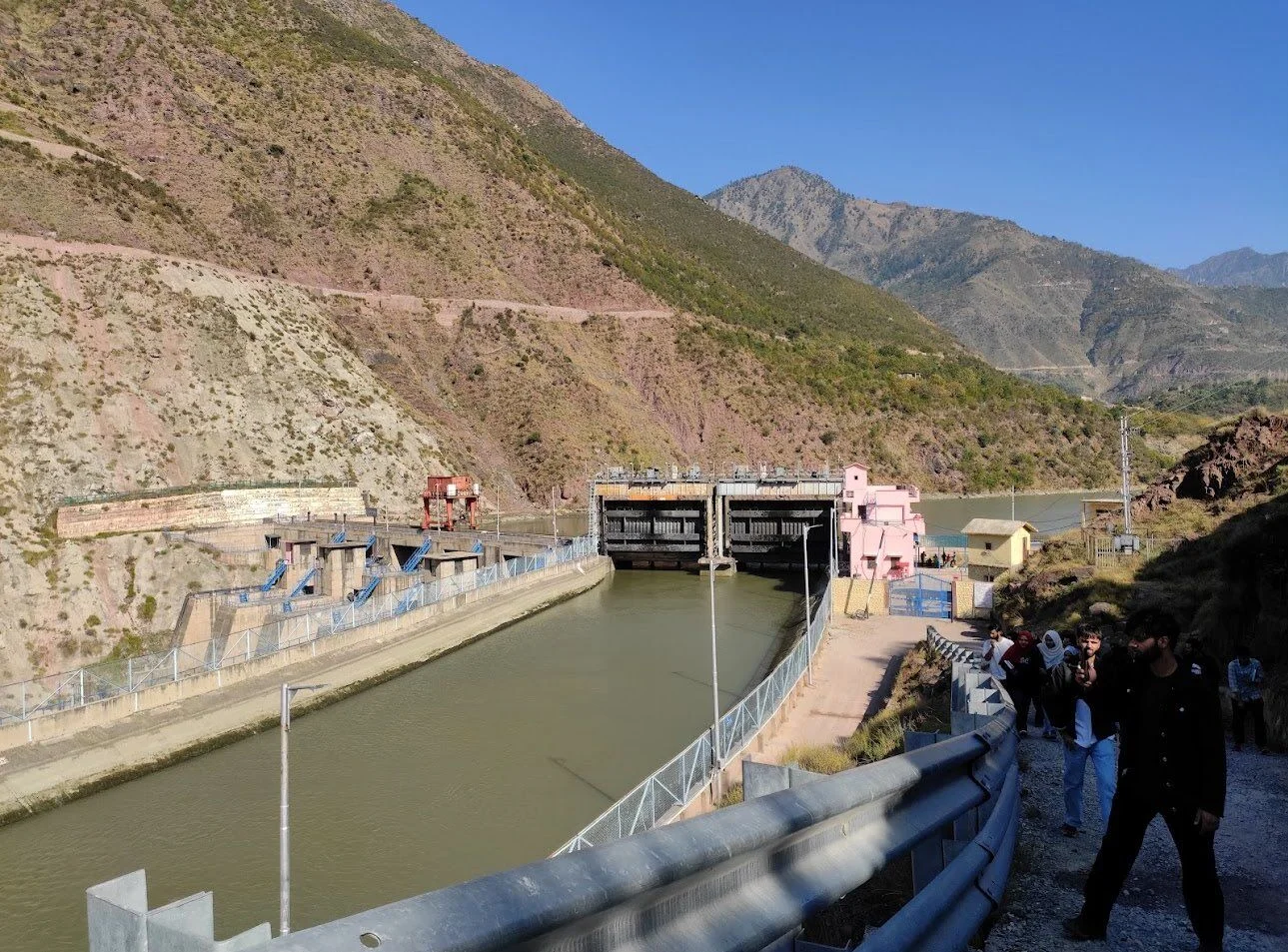
Proposed and Under Construction Projects: Eight new hydropower projects are either proposed or currently under construction, expected to add 3,704.5 MW of capacity.
Timeline: These additions are projected to be commissioned between the financial years 2026-27 and 2030-31.
Projected Total Capacity: By 2030-31, the combined installed generation capacity is expected to reach 7,314.85 MW. This includes planned capacity additions of 1,685.7 MW in 2026-27, 577.5 MW in 2027-28, 1,370 MW in 2029-30, and 141 MW in 2030-31.
Hydropower Potential and Utilization Gap
Despite the ongoing expansion, official reports indicate that Jammu and Kashmir has only tapped about 24 percent of its total hydropower potential. This suggests a significant gap between the region's capacity and its actual utilization. The large amount of power still needed from imports, particularly in winter when demand surges and generation decreases, highlights the imperative to accelerate the development of these untapped resources.
Read More: Indian Shooter Aishwary Pratap Singh Tomar Wins Gold
Challenges and Economic Viability
Concerns have been raised regarding the economic viability of certain hydropower projects.
Unviable Projects: One assessment indicated that a project would require a 40-year levelized tariff of Rs 7.30 per unit, deemed technically and economically unviable under prevailing market conditions.
IPP Exit: Consequently, an Independent Power Producer (IPP) has sought to exit a project, requesting a refund of the deposited premium, citing external factors and policy-related constraints.
Ongoing Construction and Development Efforts
Several large-scale hydropower projects are at various stages of execution, signaling a robust development drive.
Major Projects Under Construction: As of November 2025, 15 new projects with a cumulative capacity of 7,768 MW were at different stages of construction, award, and planning.
Key Projects: These include the 1,000 MW Pakal Dul, 624 MW Kiru, 540 MW Kwar, 850 MW Rattle, 37.5 MW Parnai, and 12 MW Karnah projects.
Collaborative Efforts: The expansion involves collaboration between the JKSPDC, NHPC, and joint venture companies like Chenab Valley Power Projects Private Limited (CVPPL) and Ratle Hydro Electric Power Corporation Limited (RHPCL).
Bidding and Tendering: A significant step towards harnessing potential has been the advertisement of 46 new hydro projects in June, with 26 schemes under the Swiss Challenge mode and 20 under the IPP route.
Vision for Regional Power Hub
The completion of these upcoming hydropower projects is expected to transform Jammu and Kashmir into a major "power hub" for North India. Union Minister Jitendra Singh has stated that the Kishtwar district, in particular, is set to become a significant hub with ongoing projects totaling 6,000 MW. Existing facilities like the Dulhasti power station (390 MW) and planned additions like Dulhasti II (260 MW) are part of this strategic vision.
Sustainability and Ecological Considerations
While expansion is a key focus, there is also an acknowledgement of the need for sustainable development. The emphasis is on harmonizing progress with ecological preservation, ensuring that hydropower development does not negatively impact the environment or the delicate equilibrium of nature.
Read More: Ford Will Make Energy Storage Batteries Instead of Some EV Batteries
Sources Used:
NewKerala: https://www.newkerala.com/news/a/jk-govt-32-operational-hydropower-projects-354015-mws-387.htm (Published 7 hours ago) - Provides official government statements on current operational capacity and future additions.
Indian Express: https://indianexpress.com/article/india/j-k-has-tapped-less-than-a-quarter-of-its-hydropower-potential-economic-survey-10516190/ (Published 4 days ago) - Reports on the Economic Survey's findings regarding untapped potential and details project distribution.
IBTimes: https://www.ibtimes.co.in/jk-harnesses-just-24-percent-hydropower-potential-capacity-set-double-by-2028-897865 (Published 8 hours ago) - Corroborates the percentage of utilized potential and future capacity targets.
Prokerala: https://www.prokerala.com/news/articles/a1727316.html (Published 7 hours ago) - Repeats official government statements on operational capacity and future projects.
Kashmir Life: https://kashmirlife.net/with-3540-mw-installed-jammu-kashmir-pushes-major-hydro-expansion-to-double-power-capacity-by-2031-424449/ (Seen on Brave) - Discusses the dependency on imports and the strategic importance of unlocking full potential.
Assam Tribune: https://assamtribune.com/national/jk-govt-operates-32-hydropower-projects-with-3540-mw-capacity-1606976 (Published 5 hours ago) - Echoes official government reports on current capacity and future expansion plans.
Kashmir Vision: https://kashmirvision.in/2026/02/09/jk-hydro-power-capacity-to-cross-7300-mw-in-next-five-years-cm/ (Seen on Brave) - Features a statement from the Chief Minister detailing projected capacity increases and specific project timelines.
Greater Kashmir (Nov 5, 2025): https://www.greaterkashmir.com/kashmir/jks-15-power-projects-of-7768-mw-at-different-stages-of-execution/ (Published November 5, 2025) - Provides an overview of numerous projects under construction and their capacities, detailing collaborative efforts.
Bold News Online: https://boldnewsonline.com/hydro-energy-jks-strength/ (Published November 7, 2025) - Offers a perspective on the importance of balancing expansion with ecological sustainability.
Business Standard: https://www.business-standard.com/industry/news/j-k-to-emerge-as-north-india-s-power-hub-after-completion-of-hydro-projects-jitendra-singh-1240224007601.html (Published February 24, 2024) - Quotes Union Minister Jitendra Singh on J&K's potential to become a power hub and details specific projects.
Kashmir Observer: https://kashmirobserver.net/2026/01/05/power-minister-sets-targets-for-hydel-projects-in-jk/ (Published January 5, 2026) - Reports on a review meeting focusing on the progress and challenges of key under-construction projects.
Greater Kashmir (Aug 23, 2025): https://www.greaterkashmir.com/front-page-2/hydropower-drive-gains-pace-in-jk-with-46-projects-up-for-bidding/ (Published August 23, 2025) - Highlights a significant initiative to put new hydropower projects up for bidding.
Gulistan News TV: https://gulistannewstv.com/j-8-new-proposed-6-under-contruction-govt-in-assembly/ (Published 9 hours ago) - Briefly mentions government statements regarding proposed and under-construction projects.