The automotive giant Ford is undertaking a significant strategic shift, moving to repurpose its electric vehicle (EV) battery manufacturing facilities for the production of energy storage systems. This move comes as the company seeks to leverage existing investments, address evolving market demands, and potentially capitalize on new revenue streams beyond traditional EV sales. The transition involves converting battery plants in Kentucky and Michigan to produce systems for data centers and the electric grid. This endeavor places Ford in direct competition with established players in the energy storage sector, including Tesla, and highlights a broader trend of automakers exploring diversification within the battery technology landscape.
Context: A Changing Battery Landscape
Ford's strategic pivot into the energy storage market is a calculated response to dynamic industry conditions and financial considerations. The decision appears to be driven by a combination of factors:
Read More: Tesla Model Y L 6-Seater US Launch Date and Price Details
Repurposing Idle Capacity: Ford has announced plans to convert its existing EV battery manufacturing capacity, notably at facilities in Glendale, Kentucky, into dedicated hubs for producing battery energy storage systems (BESS). This suggests an assessment that current or projected EV battery production may not fully utilize these costly investments.
Joint Venture Restructuring: A disposition agreement between Ford, SK On, SK Battery America, and BlueOval SK has played a role. Under this agreement, Ford will independently own and operate its Kentucky battery plants, while SK On will manage the Tennessee plant. This restructuring appears to have provided Ford the flexibility to redirect its Kentucky facilities.
Emerging Market Demand: There is a recognized surge in demand for energy storage solutions, particularly from data centers and the broader electric grid. These sectors require substantial power storage capabilities, creating a new market opportunity for battery manufacturers.
Financial Prudence: Some analysts suggest that entering the energy storage market, which is perceived as having stronger growth potential than certain segments of the EV market, could be a more profitable and capital-efficient strategy. This aligns with Ford's stated goal of improving profitability and optimizing its EV business.
Broader Electrification Strategy: Ford continues to pursue electrification but is also broadening its strategy. This includes focusing on next-generation electric trucks, assembling them at BlueOval City’s Tennessee Electric Vehicle Center, and offering a wider range of propulsion choices. The company acknowledges that for some applications, the battery cost of pure EVs remains a challenge, indicating a pragmatic approach to market segments.
Evidence of the Strategic Shift
Multiple reports and official statements confirm Ford's entry into the energy storage market and the restructuring of its battery operations:
Ford plans to convert its EV battery manufacturing capacity in Glendale, Kentucky, into a hub for producing battery energy storage systems. A separate energy storage initiative is also planned for Michigan. (electrek.co)
The move follows a joint venture disposition agreement that will see a Ford subsidiary independently own and operate the Kentucky battery plants, while SK On will manage the Tennessee plant. (electrek.co)
Analysts note that Ford possesses battery manufacturing facilities that could be better utilized by serving the energy storage market, which shows stronger growth. (energy-storage.news)
Ownership of BlueOval SK facilities has been split: Ford takes ownership of two factories in Kentucky, while SK On will operate a plant in Tennessee. Ford will also operate a site in Michigan. (energy-storage.news)
Ford's broader electrification strategy aims to deliver a profitable EV business and add more propulsion choices, while realigning battery sourcing to support both EV and other electrified vehicle applications to unlock cost reductions. (ford.com)
Ford's energy storage initiatives may involve leveraging Chinese technology, specifically referencing CATL, in its manufacturing processes. This presents a complex dynamic within US industrial policy. (thebatterymagazine.com)
Ford is also looking beyond automakers for potential battery sales, considering applications such as national defense. (evsmarts.com)
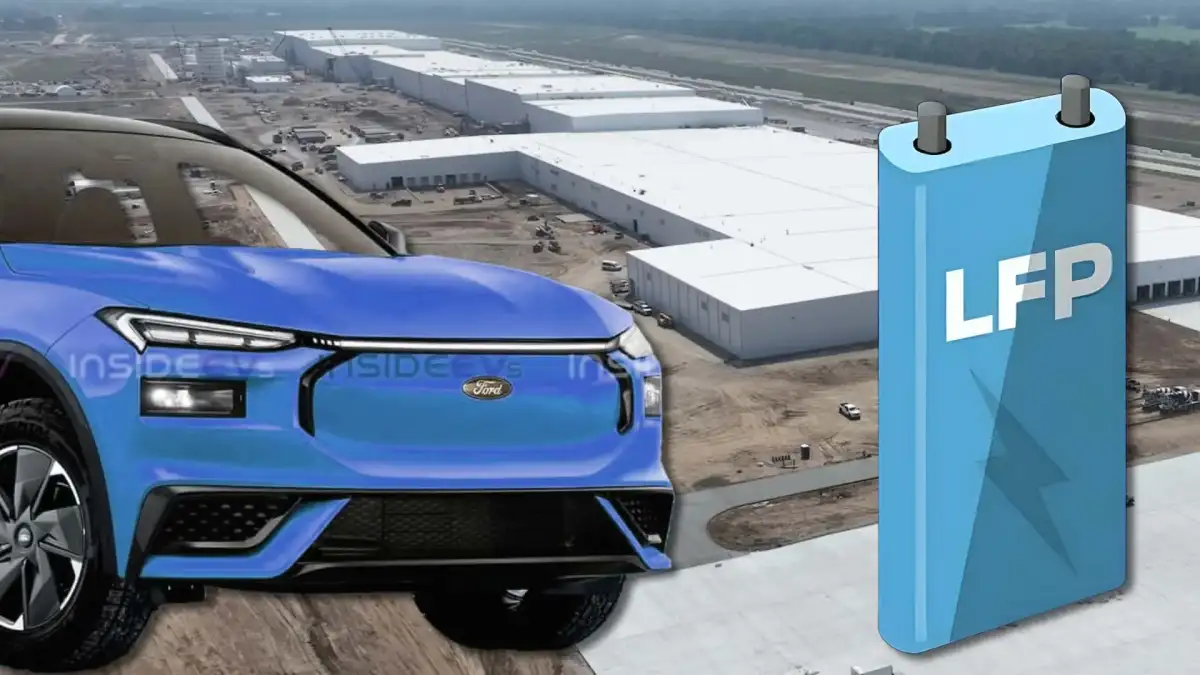
The company is focused on its BlueOval Battery Park, which is central to its strategy for producing LFP (lithium iron phosphate) batteries in America, with some sourcing from CATL. (insideevs.com)
A New Arena: Competing in Energy Storage
Ford's expansion into energy storage introduces it to a competitive landscape where established players and emerging companies are vying for market share. The company's approach appears to acknowledge this competition and leverage its existing assets and partnerships.
Tesla's Established Presence
Tesla is a significant entity in the energy storage market, with offerings such as the Powerwall for homes and the Megapack for larger-scale utility and industrial applications. The company's deep experience in battery technology and its vertically integrated manufacturing provide a strong foundation. As Ford enters this space, Tesla's existing infrastructure, brand recognition, and market penetration present a benchmark for competitive performance.
Domestic and International Competitors
Beyond Tesla, Ford faces competition from various domestic and international manufacturers actively developing and deploying energy storage solutions.
Read More: Solaris Energy SEI Stock Price Forecast Reaches $91.98 by July 2027
South Korean Manufacturers: Companies like SK On, which is partnered with Ford in the BlueOval SK joint venture, are also key players in battery production, including for energy storage applications.
Chinese Manufacturers: Chinese companies are prominent in the global battery market, with some, like CATL, being significant suppliers of battery technology, including for Ford's LFP battery production. The presence of Chinese-owned facilities, such as the Automotive Energy Supply Corp in Kentucky, highlights the global nature of this industry and potential sensitivities.
Domestic Initiatives: Other US automakers and independent companies are also investing in battery technology and energy storage, creating a diverse and evolving competitive environment.
Ford's Differentiators and Challenges
Ford's entry into energy storage is marked by its existing automotive manufacturing footprint and its recent joint venture agreements.
Leveraging Existing Facilities: The conversion of EV battery plants offers a potential cost advantage by repurposing significant infrastructure investments.
Technology Partnerships: Collaborations, potentially including those with CATL, could provide Ford with access to technology that helps it close the gap with leading Chinese manufacturers and compete on cost.
Market Focus: Targeting sectors like data centers and the electric grid signifies a strategic focus on high-demand applications.
Lack of Prior Experience: Analysts point out that entering the energy storage market with no prior experience represents a "big strategic pivot" and presents a significant learning curve for Ford. (energy-storage.news)
Utilizing Battery Technology: From EVs to Grid Storage
The core of Ford's strategy lies in its ability to adapt its expertise in electric vehicle battery technology for broader energy storage applications. This involves understanding the distinct requirements and market dynamics of the energy storage sector.
Technical Similarities and Differences
Energy storage systems share underlying technologies with EV batteries, utilizing similar components like lithium-ion cells. However, the applications diverge significantly:
EV Batteries: Optimized for high energy density, rapid charging, and sustained power output for vehicle propulsion.
Energy Storage Systems: Designed for large-scale power buffering, grid stabilization, peak shaving, and providing power during outages. These systems often prioritize longevity, cost-effectiveness for stationary use, and integration with existing electrical infrastructure.
The Role of LFP Batteries
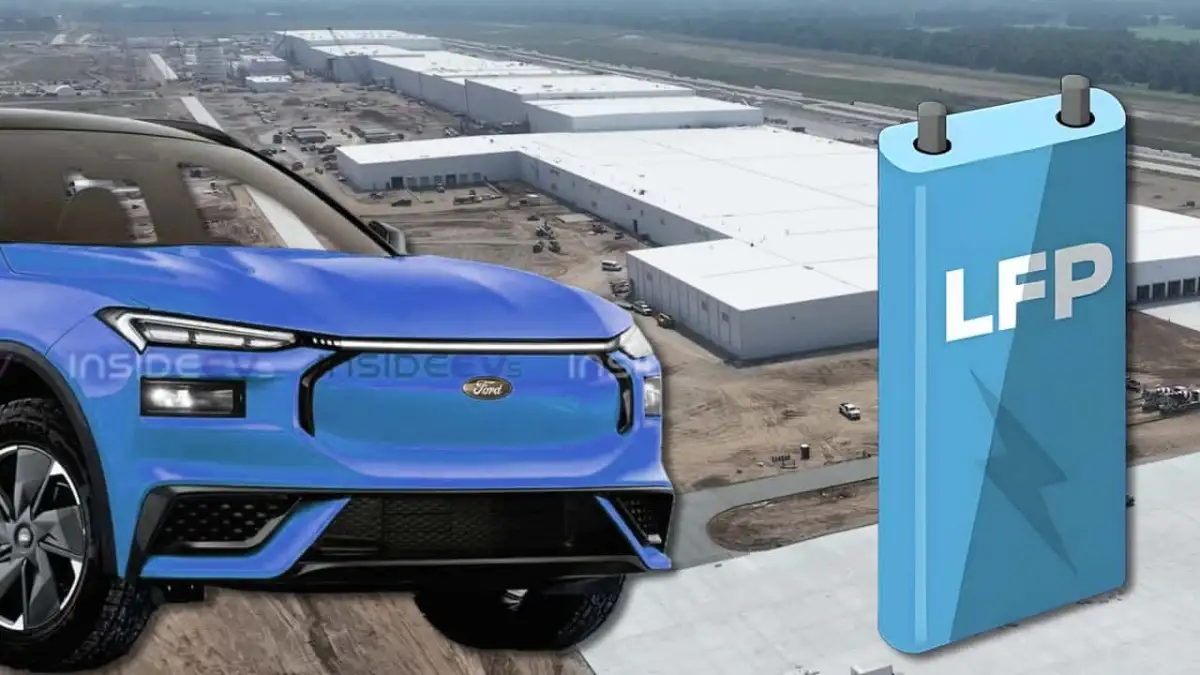
Ford's focus on Lithium Iron Phosphate (LFP) batteries, particularly at its BlueOval Battery Park Michigan, is noteworthy. While not always at the absolute cutting edge of energy density compared to other chemistries, LFP batteries are often recognized for their:
Lower Cost: LFP batteries generally use less expensive raw materials.
Improved Safety: They are considered more thermally stable than some other lithium-ion chemistries.
Longer Cycle Life: They can endure more charge and discharge cycles, making them suitable for stationary storage applications.
Ford's commitment to building LFP batteries domestically positions it to potentially compete with imported cells and qualify for government incentives.
Read More: New Cars Under $25,000 Drop to Only 11 Models in April 2026
CATL's Influence and US Industrial Policy
The potential role of Chinese technology, particularly from CATL, in Ford's energy storage production raises important considerations for US industrial policy. While CATL's technology may not be the absolute most advanced, experts believe it can give Ford a competitive advantage in bridging the gap with leading Chinese battery makers. (thebatterymagazine.com) This situation mirrors the sensitive political landscape surrounding Chinese battery companies and their presence in the US market.
Expert Perspectives on Ford's Strategic Move
Industry analysts and experts offer varied insights into Ford's transition into the energy storage market, highlighting both opportunities and potential challenges.
"For a new player to enter with zero experience in the energy storage market, it is a big strategic pivot."— Pete Tillotson, Senior Research Analyst, Rho Motion (energy-storage.news)
Tillotson's statement underscores the inherent risk and complexity associated with Ford's diversification. Entering a new market segment requires significant operational adjustments, market understanding, and competitive maneuvering.
"Depending on performance and initial costs of production, Ford could potentially outweigh a lot of the Chinese cell manufacturing that still may be entering the market to be used within AC systems that are integrated in the US."— Pete Tillotson, Senior Research Analyst, Rho Motion (energy-storage.news)
This quote suggests that if Ford can effectively manage production costs and performance metrics for its energy storage systems, it could pose a competitive challenge to established Chinese suppliers within the US market. The efficiency and cost of its domestic production will be critical factors.
Read More: Summer AC Settings: Save Money by Raising Thermostat
"Ford has access to battery manufacturing facilities that could be better used serving a stronger growth market in energy storage."— Analyst, Rho Motion (energy-storage.news)
This sentiment from Rho Motion reflects a key rationale behind Ford's strategy: the perceived greater growth prospects in the energy storage sector compared to certain aspects of the EV battery market. It suggests that Ford is reallocating resources to areas with higher potential returns.
Conclusion and Implications
Ford's decision to convert EV battery plants for energy storage production signifies a substantial strategic adjustment. The company is actively seeking to optimize its investments in battery technology by diversifying into a sector with perceived strong growth potential, driven by demand from data centers and the electric grid.
Repurposing Assets: The conversion of existing battery manufacturing facilities in Kentucky and Michigan demonstrates a pragmatic approach to leveraging substantial capital expenditures.
Market Entry: This move positions Ford as a player in the increasingly competitive energy storage market, necessitating a focus on cost-efficiency, technological capability, and market penetration against established rivals like Tesla and numerous domestic and international competitors.
Strategic Alliances and Technology: Ford's approach may involve partnerships and the utilization of technologies, such as those from CATL, to gain a competitive edge. This highlights the complex global supply chains and geopolitical considerations inherent in the battery industry.
Broader Electrification: While pivoting resources, Ford remains committed to electrification, intending to offer a wider range of electric vehicles and hybrids, and to improve the profitability of its EV business through optimized capacity utilization and smart sourcing.
Future Considerations: The success of this strategy will likely hinge on Ford's ability to execute its manufacturing conversions efficiently, develop cost-competitive and reliable energy storage products, and navigate the evolving regulatory and competitive landscape. The company's capacity to adapt to the distinct demands of the energy storage market, beyond its automotive origins, will be a critical determinant of its long-term success in this new venture.
Sources Used:
CNBC: Automakers like Ford and GM are jumping into a whole new business where Tesla is a serious player. https://www.cnbc.com/2026/01/15/ford-gm-tesla-energy-storage.html
electrek.co: Ford pivots from EVs to battery storage for data centers. https://electrek.co/2025/12/15/ford-pivots-ev-battery-plants-to-grid-data-center-battery-storage/
energy-storage.news: Ford’s ‘big strategic pivot’ into the ‘fiercely competitive’ battery storage market. https://www.energy-storage.news/fords-big-strategic-pivot-into-the-fiercely-competitive-battery-storage-market/
Ford (Official News): Ford Broadens Electrification Strategy to Reach More Customers, Improve Profitability, Continue to Reduce CO2. https://www.fromtheroad.ford.com/us/en/articles/2024/ford-broadens-electrification-strategy-to-reach-more-customers-
The Battery Magazine: Ford Expands Into Energy Storage Batteries Using CATL. https://www.thebatterymagazine.com/ford-shifts-focus-to-energy-storage-batteries-leveraging-chinese-technology/
EV Smarts: Ford set to become a major battery supplier in the U.S. market. https://evsmarts.com/ford-set-to-become-a-major-battery-supplier-in-the-u-s-market/
InsideEVs: Ford's Affordable EV Comeback Starts Here. But Not Without Controversy. https://insideevs.com/news/763490/ford-blue-oval-park-lfp-preview/