During the recent Lunar New Year festivities, the emergence of commercial services that offered to perform traditional rituals on behalf of customers has ignited a notable public outcry in China. These services, ranging from hanging festive decorations to even performing the act of kowtowing to elders, have been widely criticized for devaluing deeply held cultural practices and filial piety.
Background and Timeline of Events
The controversy unfolded in the days leading up to and during the Lunar New Year period. Companies began advertising and offering various packages designed to alleviate the burdens of traditional holiday preparations and observances.
Early February 2026: Companies like UU Paotui in Henan province launched app-based services for Lunar New Year greetings. These included purchasing and hanging couplets, basic door cleaning, and, in some instances, a traditional kowtow ceremony for elders. Prices varied, with some packages reaching 39 yuan (US$6) for an hour of service, while more comprehensive offerings, including the kowtow, were priced higher.
Unspecified Date (Recent Festive Season): Another platform, referenced by Nanyang Siang Pau, offered "proxy greeting packages." One package, costing 999 yuan (RM565), provided a two-hour service. Another, at 199 yuan (RM112) for two hours, included tasks like buying festive goods and requesting red packets from elders on behalf of users.
February 2021: Prior to these recent events, a Chinese blogger named Huang Zhijie faced threats and cyberbullying after criticizing the practice of kowtowing to elders during Spring Festival. He described the ritual, particularly when performed in groups, as a form of "social oppression" and "bringing history backwards." His comments drew a strong backlash, and he reported receiving menacing phone calls.
Nature of the Controversial Services
The commercialization of Lunar New Year traditions has taken several forms, each drawing different shades of criticism.
Proxy Rituals: Services were offered to perform acts traditionally carried out by family members. This included:
Purchasing and hanging traditional couplets and the "Fu" character.
Basic door cleaning for festive preparation.
Requesting red packets from elders on behalf of customers.
Performing the kowtow ceremony, a deep bow or prostration, to elders.
Greeting Packages: Some services aimed to bridge distances or language barriers, facilitating New Year greetings. One example involved helping a Myanmar helper connect with an elderly individual to convey greetings, highlighting a practical application, though the principle of proxy ritual remains contentious.
Public Reaction and Criticism
The widespread offering of these proxy services has been met with significant public disapproval, largely centered on the perceived erosion of cultural values.
Read More: China Ethnic Unity Law starts July 1 2026 for all citizens
Cheapening Filial Piety: Critics argue that outsourcing acts of respect, such as the kowtow or sending greetings, fundamentally undermines the spirit of filial piety, a cornerstone of Chinese culture.
Disrespect and Devaluation: The commodification of these sacred rituals is seen as disrespectful to ancestors and the traditions themselves. It reduces profound expressions of respect and familial obligation to mere transactional services.
Social Oppression Concerns: Echoing sentiments from 2021, concerns persist that while individual participation in traditions is a choice, the commercial promotion of these services could inadvertently create a new form of social pressure or expectation, even if performed by proxies.
Outrage and Backlash: The public reaction has been strong enough to prompt the withdrawal or significant scrutiny of some of these offerings, indicating a deep-seated offense taken by a segment of the populace.
The "Lunar New Year" Terminology Debate
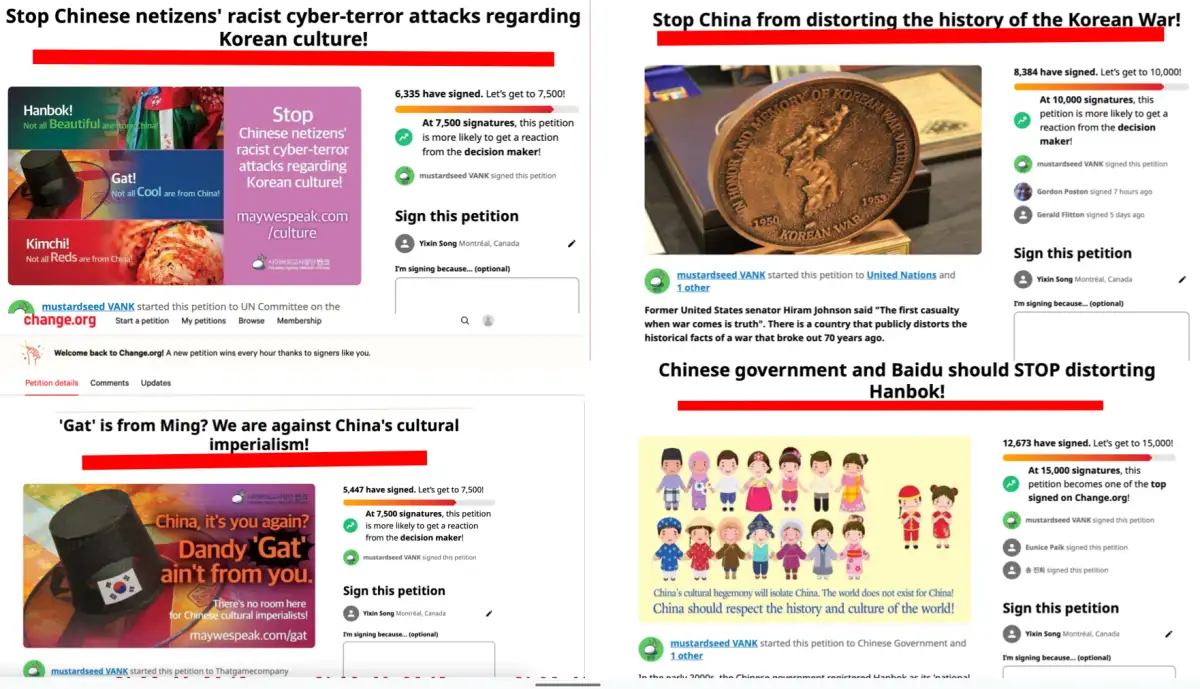
Concurrent with the controversy over proxy services, there is an ongoing debate regarding the terminology used for the holiday itself, which some believe contributes to a broader cultural misunderstanding.
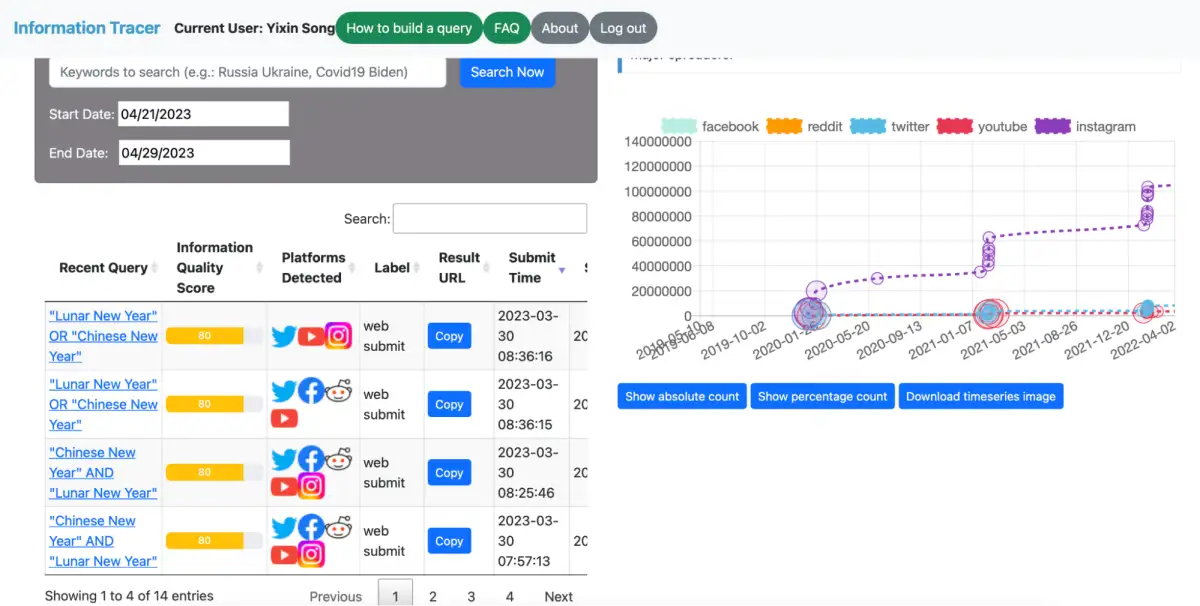
Chinese New Year vs. Lunar New Year: While often used interchangeably in English, some argue that "Lunar New Year" is a broader term that does not specifically acknowledge the Chinese origin of the festival. This has led to discussions about cultural appropriation, particularly when other cultures celebrate similar lunar-based new year festivals.
UNESCO's Role: The involvement of UNESCO in using the term "Lunar New Year" has been cited as a factor that, unintentionally, fuels this debate, with some advocating for the term "Chinese New Year" to be more consistently used to preserve the cultural specificity.
Netizen Reactions: Online discussions reflect a sensitivity among some Chinese netizens regarding the perceived dilution or appropriation of their cultural heritage.
Expert and Public Opinion
The discourse surrounding these services highlights a generational and cultural divide. While younger generations or service providers might view these as convenient adaptations, a significant portion of the public, particularly those with a strong adherence to traditional values, sees them as deeply problematic.
Cultural Purity: There is a strong sentiment that certain cultural practices are sacred and should not be commercialized, regardless of the convenience offered.
Distinction from Other Services: It is crucial to distinguish these services from practical, unrelated delivery tasks. The issue arises when the services directly involve the performance of culturally significant rituals.
Online Commentary: Public commentary, as observed across various platforms, frequently expresses outrage, questioning the ethical implications of these commercial ventures.
Conclusion and Implications
The controversy surrounding commercial proxy services for Lunar New Year rituals underscores a cultural tension in contemporary China. While economic innovation is often celebrated, the commodification of deeply ingrained traditions, particularly those related to respect for elders and family, has clearly crossed a line for many.
Cultural Boundaries: The backlash suggests a strong public desire to maintain boundaries between commerce and cultural sanctity, especially concerning filial piety.
Potential for Regulation: The intensity of public reaction may prompt companies to reconsider such offerings or lead to informal or formal guidelines to prevent further erosion of traditional values.
Ongoing Dialogue: The debate, intertwined with the "Lunar New Year" terminology discussion, points to a larger societal conversation about cultural identity, preservation, and adaptation in a rapidly modernizing world. The future will likely see continued vigilance from the public and cultural commentators regarding the appropriate application of commercial services in relation to traditional observances.
Sources
The Star: "‘Proxy kowtow’ withdrawn after public outrage" (Published 9 hours ago). Link: https://www.thestar.com.my/news/nation/2026/02/13/proxy-kowtow-withdrawn-after-public-outrage
South China Morning Post (SCMP): "China delivery firm offers kneeling service to send New Year greetings for customers" (Published 1 day ago). Link: https://www.scmp.com/news/people-culture/trending-china/article/3343162/china-delivery-firm-offers-kneeling-service-send-lunar-new-year-greetings-customers
South China Morning Post (SCMP): "Chinese blogger threatened for criticising ‘backwards’ new year ritual" (Published Feb 21, 2021). Link: https://www.scmp.com/news/china/politics/article/3122546/chinese-online-commentator-calls-police-after-being-threatened
Global Voices: "UNESCO is unwittingly contributing to the controversy surrounding the term ‘Lunar New Year’" (Published Feb 4, 2025). Link: https://globalvoices.org/2025/02/04/unesco-is-unwittingly-contributing-to-the-controversy-surrounding-the-term-lunar-new-year/
China Highlights (via AOL): "Chinese New Year VS Lunar New Year: Differences and Controversies". Link: https://www.chinahighlights.com/travelguide/festivals/chinese-new-year-vs-lunar-new-year.htm
Information Tracer (via AOL): "The rise of "Lunar New Year" — is it a coordinated cultural appropriation campaign?". Link: https://informationtracer.com/blog/chinese-new-year.html