The International Space Station (ISS) is buzzing with a heightened sense of urgency as NASA and SpaceX prepare for the Crew-12 launch, scheduled for February 11, 2026. This mission, however, isn't just another routine trip to orbit. It’s the first manned flight to the ISS since a dramatic and unprecedented medical evacuation of the Crew-11 astronauts on January 15, 2026. The rapid rescheduling and the sensitive nature of the previous incident raise a crucial question: is NASA truly ready to resume normal operations, or is this a hasty push forward under pressure? The stakes are astronomical, involving the safety of our astronauts and the integrity of space exploration.
A Precedent Shattered: The January Evacuation
The events of January 15, 2026, marked a watershed moment in human spaceflight. For the first time in history, a medical emergency necessitated the emergency return of astronauts from the International Space Station. The Crew-11 mission, comprising Mike Fincke, Zena Cardman, Kimiya Yui, and Oleg Platonov, was cut short by a month after one crew member experienced a health issue that could not be adequately treated in microgravity.
Read More: NASA Fuel Cell Test For Moon Energy Storage Successful
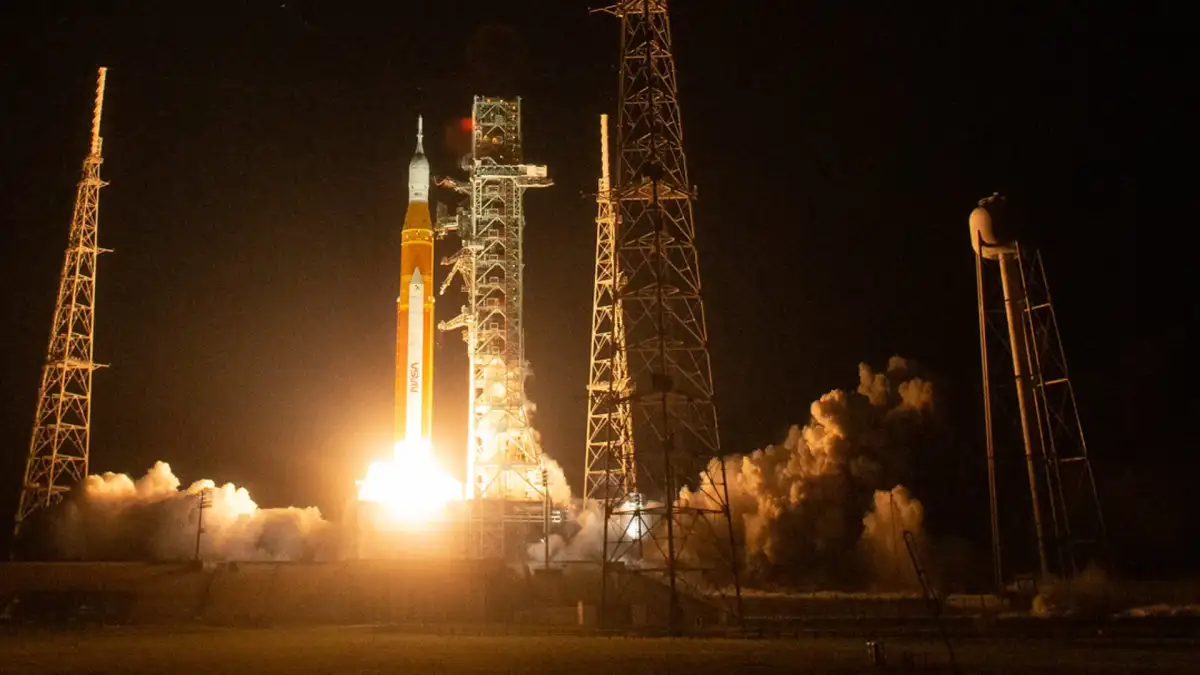
"NASA confirmed the decision to evacuate came after flight surgeons determined the astronaut’s condition couldn’t be properly addressed in microgravity." (ijr.com)
The astronauts returned safely, and initial reports indicated they were in "good spirits" and jubilant, despite the abrupt end to their mission. However, the specifics of the medical condition remain undisclosed, a fact that fuels speculation and concern.
Key Facts of the Evacuation:
Date: January 15, 2026
Mission: Crew-11
Crew Members: Mike Fincke, Zena Cardman, Kimiya Yui, Oleg Platonov
Reason for Return: Undisclosed medical issue deemed untreatable in microgravity.
Significance: First-ever emergency medical evacuation from the ISS.
Duration of Space Stay: 167 days (mission cut short by one month).
This incident wasn't just a medical blip; it was a fundamental test of the ISS's emergency protocols and medical response capabilities. The fact that an evacuation was deemed necessary points to a significant health event, leaving many to wonder about the underlying causes and the lessons learned.

The Rush to Re-Establish Routine: Crew-12 Under the Microscope
Barely a month after the historic evacuation, NASA and SpaceX are accelerating the Crew-12 mission, moving its launch date up to February 11, 2026. This isn't merely a slight adjustment; it's a significant push to re-normalize operations in the wake of a potentially system-altering event.
Read More: New Light Copper Catalysts Make Chemical Reactions Easier
"NASA and SpaceX are accelerating the Crew-12 mission to the International Space Station." (floridatoday.com)"NASA plans to launch the Crew-12 mission earlier than intended after an unprecedented medical evacuation at the ISS." (usatoday.com)
The acceleration raises immediate red flags. Is this a calculated decision based on thorough post-evacuation analysis, or a response driven by the need to maintain the ISS's operational continuity and perhaps a desire to project an image of swift recovery? The potential impact of the Artemis lunar mission launch date is also cited as a complicating factor, suggesting a delicate balancing act between different high-priority space endeavors.

Crew-12 Timeline Shift:
Original Plan: Not explicitly stated, but the Crew-11 mission was supposed to return in mid-February, implying Crew-12 would follow.
New Launch Date: February 11, 2026 (with opportunities on Feb. 11).
Reason for Acceleration: To serve as a relief crew following the Crew-11 medical evacuation.
The urgency to launch Crew-12 so soon after the evacuation begs several critical questions:
What specific findings from the Crew-11 incident informed the decision to accelerate Crew-12?
Have the underlying medical risks for astronauts in microgravity been fully identified and mitigated?
Could the pressure to launch Crew-12 earlier compromise any necessary deep dives into the medical event?
A Black Box of Health: The Unanswered Medical Mystery
The most significant lingering question from the Crew-11 incident is the undisclosed nature of the medical condition. While NASA administrator Jared Isaacman assured the public that the crew was safe and in good spirits, the lack of detail surrounding the specific health issue is deeply concerning.
Read More: Artemis II Astronauts Show Water Sphere Behavior in Space

"Nasa administrator Jared Isaacman said the crew were safe and 'in good spirits,' adding that Nasa would share updates on the affected crew member’s health 'as soon as it is appropriate to do so.'" (bbc.com)
Why the secrecy? Was it a rapidly developing, severe illness? A chronic condition exacerbated by space travel? An injury? The inability to treat it in microgravity suggests it was not a minor ailment. The lack of transparency leaves room for speculation, ranging from highly contagious diseases to conditions that could compromise an astronaut's long-term health.
Key Unanswered Questions:
What was the exact medical condition that necessitated the evacuation?
Was the condition acute or chronic?
What are the long-term implications for the affected astronaut's health?
Could this condition have been foreseen or prevented?
How does this undisclosed event impact the psychological preparedness of future crews?
The decision to proceed with Crew-12 without full public disclosure of the medical issue feels like building on shaky ground. Are we to trust that NASA has everything under control when the core problem remains in the shadows?
Beyond the Medical: Operational Readiness and Future Implications
The acceleration of Crew-12 isn't just about a medical emergency; it's a broader test of NASA's operational resilience and its partnerships, particularly with SpaceX. The seamless return of the Crew-11 capsule, the Dragon Endeavour, after its mission was cut short, highlights the reliability of the SpaceX hardware. However, the human element remains the most unpredictable factor.
Read More: MIT Boron-Oxygen Molecule Acts as Builder in Chemical Reactions
SpaceX's Role: The private company's involvement in the manned transport to the ISS has been crucial, and their reliable launch and return capabilities are unquestioned. The question is how NASA's mission control and medical teams are integrating their findings with SpaceX's operational procedures.
Training and Protocols: Have astronaut training programs been updated to include new protocols for in-orbit medical emergencies following the Crew-11 incident? Are astronauts being trained for a wider range of medical scenarios?
ISS Long-Term Viability: This event raises questions about the long-term health implications of extended stays on the ISS. If medical issues that require evacuation are becoming a concern, it might impact the feasibility of future longer-duration missions, such as those envisioned for lunar and Martian exploration.
"Should NASA conduct future emergency medical evacuations for astronauts in space?" (ijr.com)
This rhetorical question from an article on the incident itself underscores the gravity of the situation. The answer, it seems, is yes, they did and will again if necessary. But the real question is: are they prepared to handle them proactively, and transparently?
Looking Ahead: Vigilance and Transparency are Paramount
The launch of Crew-12 is a critical milestone, signifying a return to operational normalcy. However, as critical observers, we must remain vigilant. The hurried timeline, coupled with the lingering mystery surrounding the Crew-11 medical evacuation, demands a higher level of scrutiny, not less.
NASA's commitment to transparency is paramount. The public and the scientific community deserve to understand the full scope of the medical challenges faced in space. This knowledge is vital for ensuring the safety of current and future astronauts and for the continued progress of human space exploration. Without it, we are essentially embarking on missions with unknown variables, hoping for the best rather than preparing for all eventualities. The success of Crew-12 should not be measured solely by its arrival at the ISS, but by the demonstrated understanding and mitigation of the risks that led to the previous mission's abrupt end.
Read More: Psyche Spacecraft Uses Mars Gravity to Speed Up for Asteroid
Sources:
NASA plans Crew-12 launch to ISS. What to know about mission, date
NASA confirms first flight to ISS since medical evacuation (AFP)
Astronauts return to Earth after first ever medical evacuation from space station (BBC News Live)
NASA Carries Out First-Ever Mission Following Medical Issue On ISS
NASA confirms first flight to ISS since medical evacuation (SpaceDaily)
New crew set to launch for ISS after medical evacuation (Phys.org)
ISS crew returns to Earth in first-ever medical evacuation (DW)