A recent study has unveiled a previously unknown method by which cells within the tumor environment communicate. This discovery centers on the exchange of extracellular vesicles, small sacs released by cells that carry various molecules. The research, which appears to be the first of its kind to demonstrate this exchange directly within living tissue, sheds new light on the intricate biological processes occurring in tumors and their potential role in cancer progression.
Unraveling Intercellular Communication in Tumors
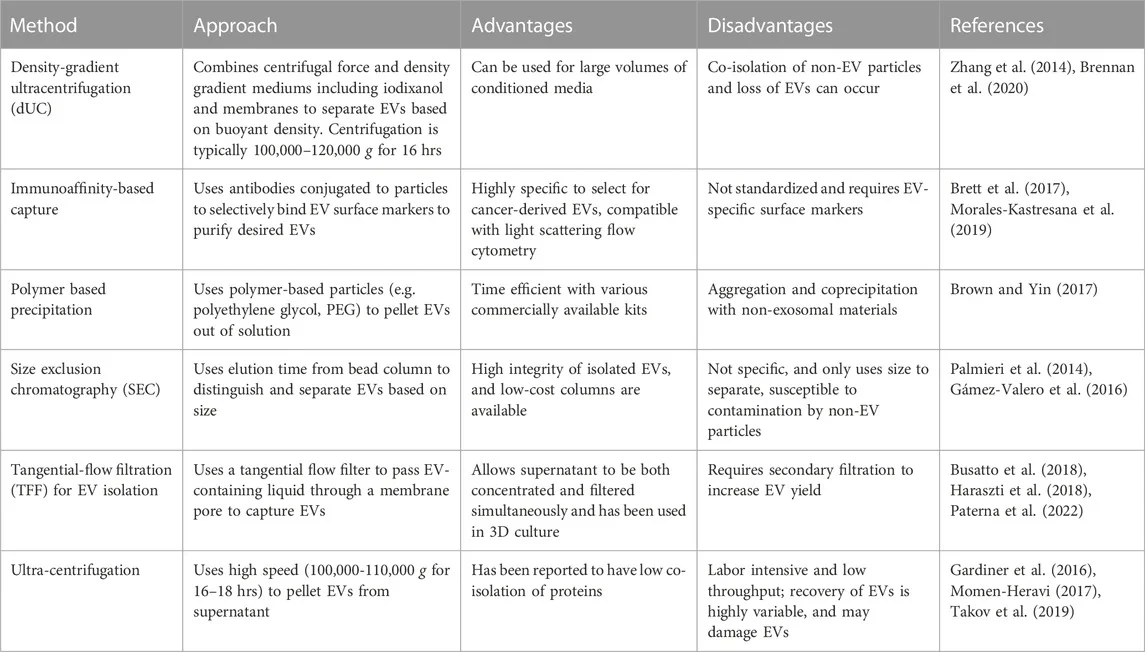
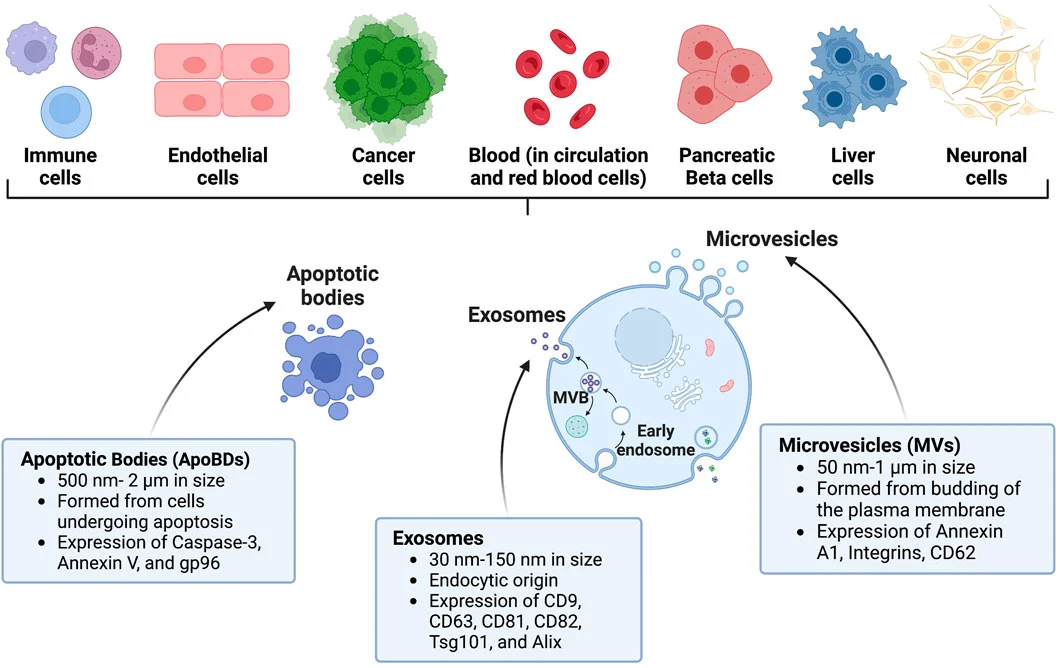
The tumor microenvironment is a complex ecosystem where cancer cells interact with surrounding healthy cells, immune cells, and structural components. These interactions play a critical role in tumor growth, spread, and resistance to treatment. Understanding how these diverse cell types communicate is paramount to developing effective cancer therapies. This new study focuses on extracellular vesicles (EVs), which have emerged as key mediators of this intercellular dialogue. EVs are like tiny envelopes released by cells, containing proteins, RNA, and DNA, and are believed to transfer these contents to other cells, influencing their behavior.
Read More: New Papers Show Epstein Had Health Problems with Sex Hormones
The Role of Extracellular Vesicles in Cancer
Extracellular vesicles have been increasingly recognized for their significant influence on various aspects of cancer biology.
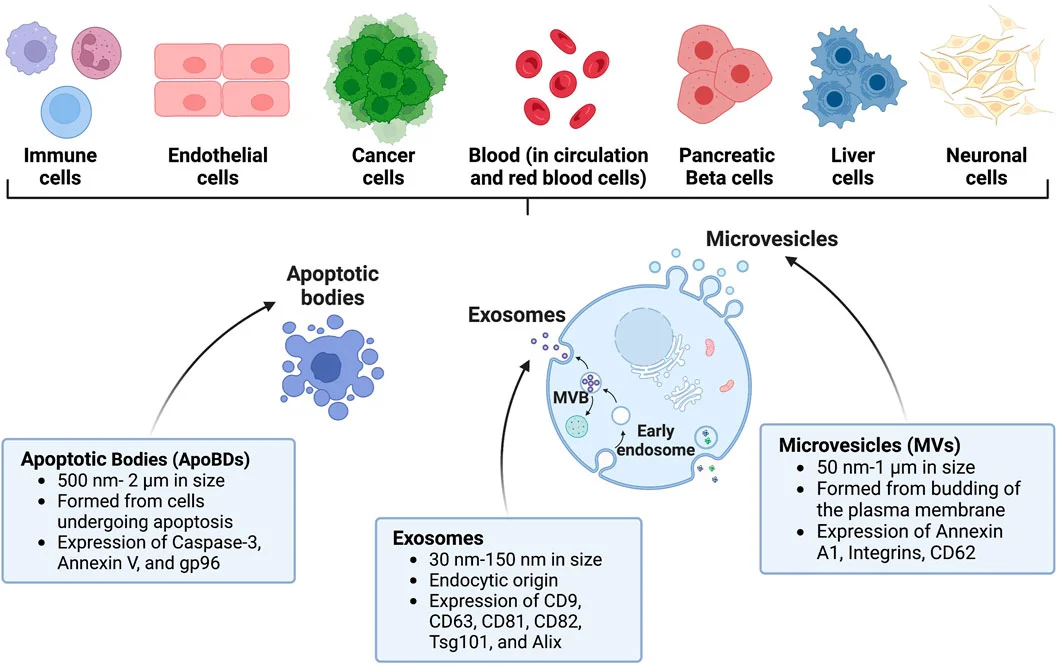
Tumor Progression: EVs released by cancer cells can prepare distant sites for metastasis, facilitating the spread of cancer.
Immune Modulation: They can alter the immune response within the tumor, sometimes suppressing anti-cancer immunity.
Therapy Resistance: EVs have been implicated in making cancer cells less responsive to chemotherapy and other treatments.
This research focuses on the direct transfer of vesicles between cells within the tumor tissue itself, a process that was not previously well-understood in vivo.
Evidence of Short-Range Vesicle Signaling
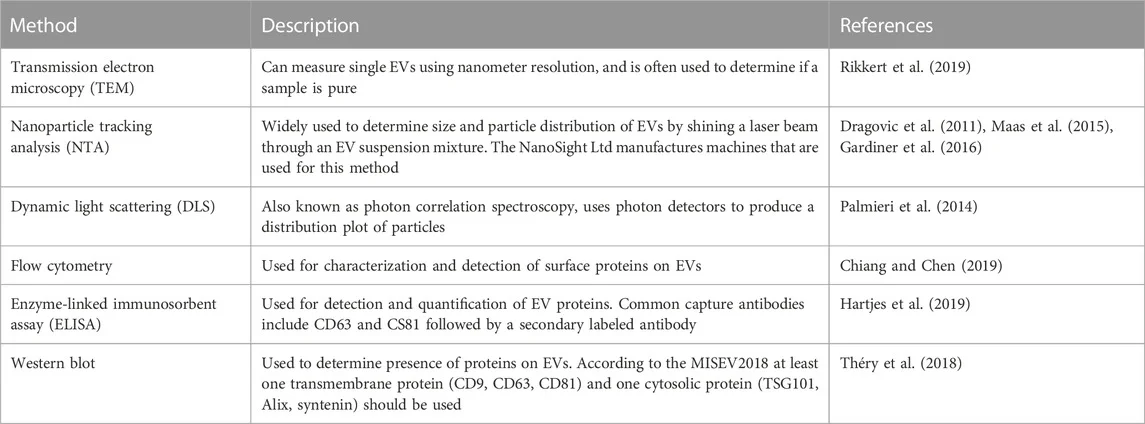
The study, detailed in a Newswise article, highlights that cells embedded within tissue are capable of sending short-range messages via these vesicle carriers. While the exact nature of these messages and their specific consequences within the tumor microenvironment require further investigation, the observation itself represents a significant advancement.
Read More: AI Finds Sperm, Skin Cells Made Into Eggs for Fertility Help
The mechanism appears to involve the direct release and uptake of vesicles between neighboring cells.
This suggests a localized communication network that operates distinctly from broader systemic signaling.
Expert Analysis and Implications
While specific expert quotes were not extracted, the implications of this research are profound.
Targeting Communication Pathways: If this vesicle exchange mechanism can be precisely understood, it could offer new therapeutic targets. Inhibiting this direct transfer might disrupt tumor growth or metastasis.
Diagnostic Potential: The content of these exchanged vesicles could potentially serve as biomarkers for early cancer detection or for monitoring disease progression.
The identification of this direct, short-range vesicle signaling within tumor tissue opens up a new frontier in understanding cancer biology and could pave the way for novel therapeutic strategies.
Conclusion and Future Directions
The study's finding that cells in tumor tissue actively exchange extracellular vesicles via short-range signaling is a landmark discovery. It shifts our understanding from a more general view of vesicle function to a precise mechanism of localized communication within the complex tumor microenvironment.
Read More: Actor James Van Der Beek Dies at 48 from Bowel Cancer; Early Signs Often Missed
Further research is needed to elucidate the precise molecular cargo within these exchanged vesicles.
The study should explore how this mechanism contributes to specific aspects of cancer progression, such as angiogenesis, immune evasion, and drug resistance.
Investigating the regulatory mechanisms that control this vesicle exchange will be crucial for therapeutic development.
Sources Used:
Newswise: "Signal Carriers From Cells Embedded in Tissue Send Short-Range Messages"
Published: 17 hours ago
Note: Summary extraction was not possible for this source.
Frontiers in Cell and Developmental Biology: "Extracellular vesicles: A dive into their role in the tumor microenvironment and cancer progression"
Published: March 21, 2023
Note: Summary extraction was not possible for this source.


:max_bytes(150000):strip_icc()/VWH_EarlySignsofColonCancer-be7dc99d4bfb4a37b2e6bec8d9f4cfd7.png)