Washington D.C. - President Donald Trump announced on Thursday a three-week extension of the ceasefire between Israel and Lebanon. The declaration followed a meeting at the White House with "High Ranking Representatives" from both nations, along with U.S. Vice President JD Vance, Secretary of State Marco Rubio, and Ambassadors Mike Huckabee and Michel Issa. Trump stated the meeting "went very well," and emphasized the U.S. commitment to aiding Lebanon in protecting itself from the Iran-backed militia group Hezbollah.

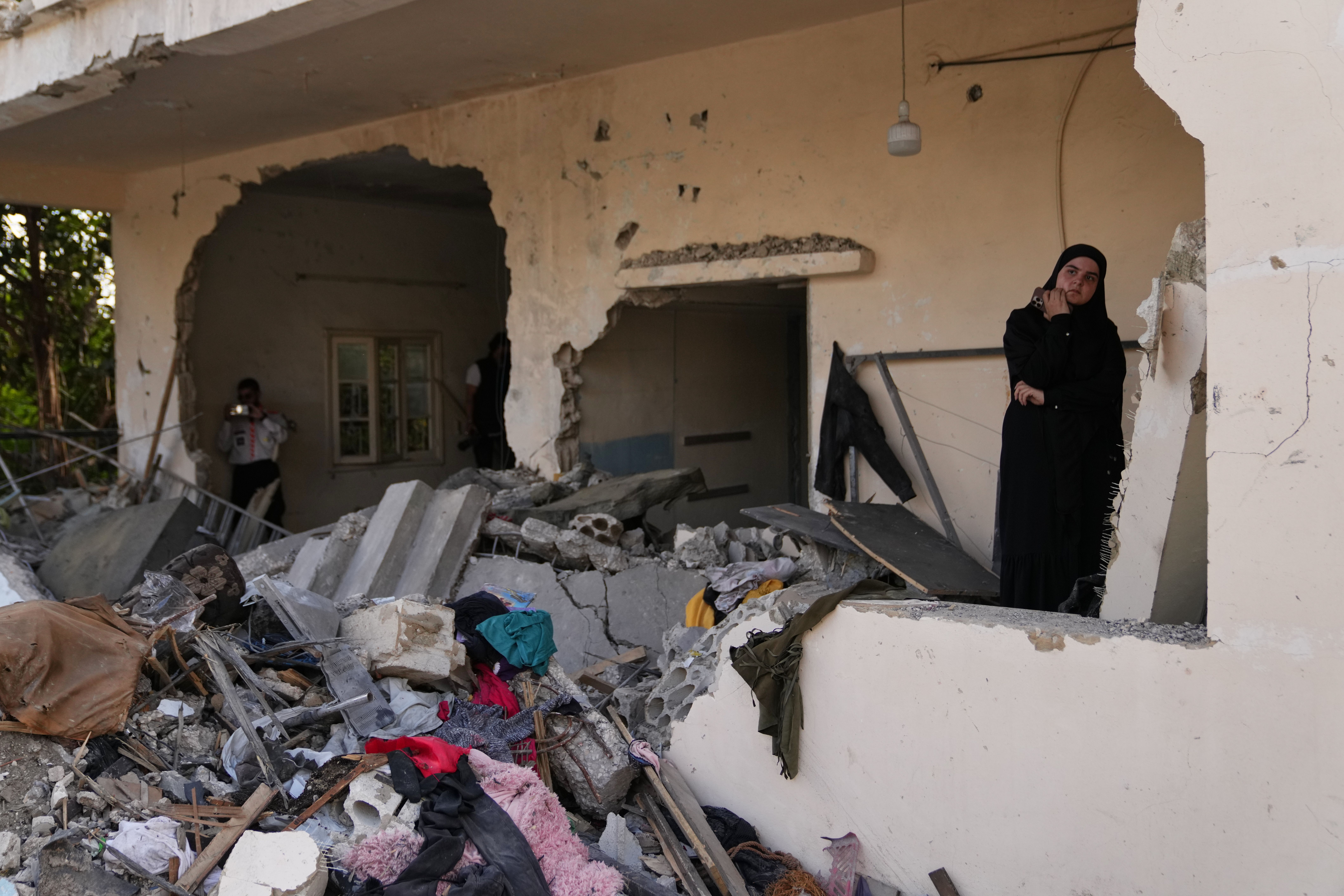
The extension comes as tensions persist in the region, with reports of Israeli strikes targeting Hezbollah positions in Lebanon and continued rocket fire from Hezbollah following the deadly Israeli operations.

Ceasefire Developments Amidst Broader Regional Tensions
Lebanon's state-run National News Agency reported an Israeli drone strike near Nabatieh, a town situated approximately 35 kilometers north of the Israeli border, on Thursday. This incident occurred despite the existing ceasefire. Lebanese officials had indicated their preference for a one-month extension prior to the Washington meeting.
Read More: Senator Pocock: Gas Projects May Ignore First Nations

Meanwhile, Iran has reportedly dismissed the ceasefire extension as inconsequential. In a separate development, U.S. Navy Secretary John Phelan was dismissed on Wednesday amidst the ongoing regional turmoil.

Background of the Conflict
The current ceasefire, initially a 10-day agreement brokered last week, marked the first high-level contact between Israel and Lebanon in decades. This latest development occurs on day 55 of the wider Middle East war. The conflict has seen significant Israeli military action, including airstrikes that have resulted in fatalities. Mourners were seen holding portraits of Lebanese journalist Amal Khalil, who was killed in an Israeli airstrike on Wednesday, during her funeral procession.
Israel's Foreign Minister Gideon Saar has urged Lebanon to collaborate in disarming Hezbollah. The Israeli military maintains a buffer zone within southern Lebanon, extending up to 10 kilometers. Lebanon's political leadership has expressed criticism of Hezbollah's rocket fire towards Israel in solidarity with Iran, and has sought direct talks to de-escalate the situation. Israel's stated objective remains the removal of short-range rocket and anti-tank missile threats to its northern regions.
Read More: UNGA President Baerbock Visits India Next Week for Global Talks
Separately, President Trump has reiterated his stance on negotiations with Iran, stating he is in no rush to finalize a deal. He described the pressure on Tehran as mounting, highlighting the diminished state of Iran's military capabilities and an "airtight and strong" blockade. Trump stressed that any agreement would be dictated by Washington's terms and made only when "appropriate and good" for the United States, its allies, and global stability.
Pope Leo XIV has also weighed in, urging both the U.S. and Iran to resume peace negotiations. He expressed concern over the suffering of innocent populations due to the conflict and called for efforts promoting a "culture of peace, not hatred and division." The Pope also shared a poignant anecdote about a young Muslim child in Lebanon, who was photographed during his visit last year and was subsequently killed in the recent conflict.
Read More: West Bengal Election Turnout Highest Ever at 92% Yesterday