Record Participation Declared, Context Remains Muted
West Bengal's initial phase of assembly elections, concluding yesterday, has seen a voter turnout that the Chief Election Commissioner (CEC), Gyanesh Kumar, has declared the highest since India's independence. Official figures hover around 91.78% to 92.72%, a figure the Election Commission (EC) is readily promoting as a testament to robust democratic engagement. This exceptional participation is being attributed by the EC to "extensive voter awareness campaigns, improved polling arrangements, and high public enthusiasm."
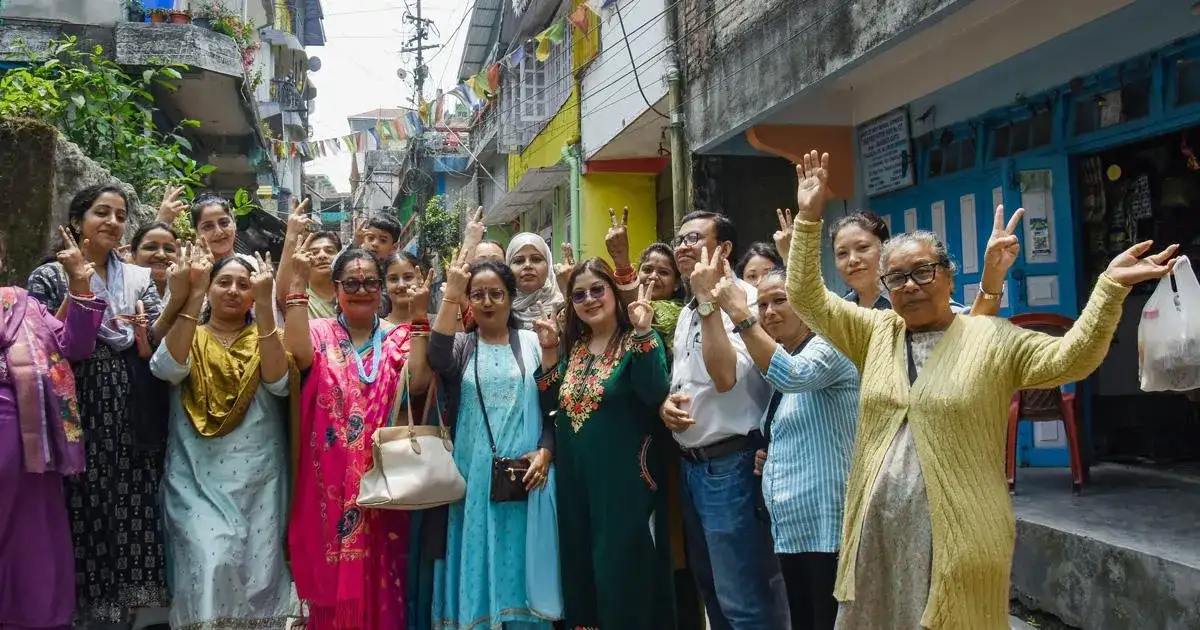
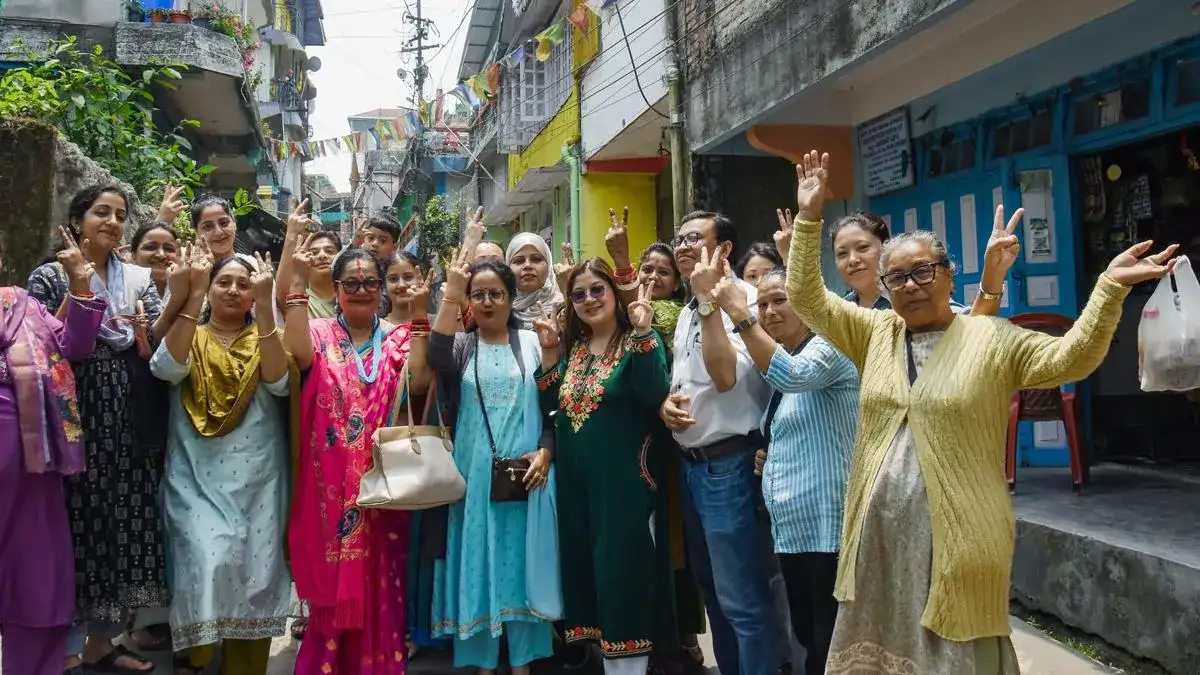
The EC, including Commissioners S S Sandhu and Vivek Joshi, closely monitored the proceedings through live webcasting from all polling stations. This technological oversight is presented as a move towards ensuring fairness, though the specifics of what this entails for accountability remain broadly defined. While the EC emphasizes the success of voter-friendly measures, including higher participation from women voters who reportedly outnumbered men, the broader socio-political landscape within which this polling occurred is less frequently detailed in official statements.
Read More: Protests at Trump D.C. Dinner on Sept 10 Cause Restaurant Backlash
What the Numbers Signify
The sheer volume of voters participating suggests a significant level of public investment in the electoral process. This surge, particularly noted in West Bengal, stands in contrast to, yet alongside, high turnout in other regions like Tamil Nadu, which also reported its highest-ever turnout at 85%. The contrast in numbers and contexts between these two states is notable, with Bengal's figure significantly outpacing its southern counterpart.
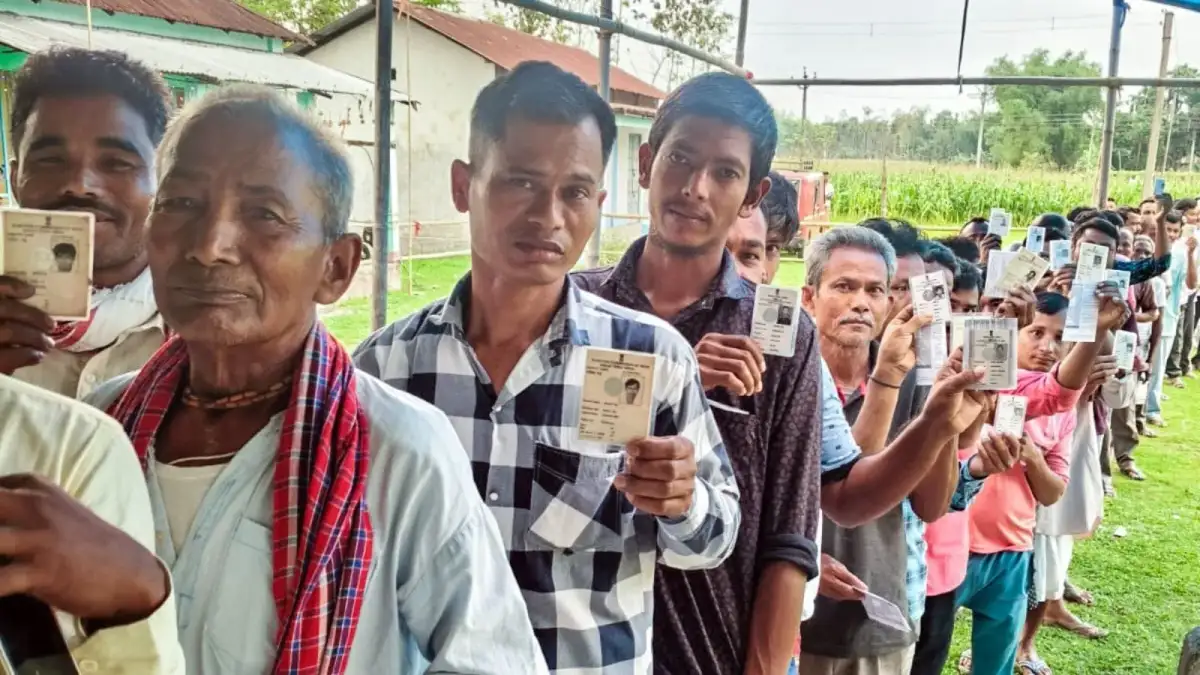
The scale of the undertaking is substantial, with polling held across 152 of the 294 assembly seats and involving 1,478 candidates, of whom 167 are women. This extensive first phase, spread across 16 districts, sets a precedent for the subsequent phases, with the second phase scheduled for April 29.
Underlying Currents
Despite the celebrated high turnout, reports from some areas indicate the presence of sporadic violence, a recurring theme in West Bengal's electoral history. The EC's narrative focuses on the aggregated success of participation, sidestepping detailed examinations of localised disruptions or their impact on voter access or choice.
Read More: UNGA President Baerbock Visits India Next Week for Global Talks
The EC's public pronouncements celebrate the act of voting itself, framing it as an inherent strength of the Indian democratic system. However, the finer points of how this record turnout was achieved and what challenges, if any, voters navigated on the ground, remain subjects for broader, less official, dissection. The counting of votes for all involved states, including West Bengal, is slated for May 4.