A 10-day ceasefire between Israel and Lebanon has taken effect, brokered by US President Donald Trump, offering a temporary lull in hostilities. The agreement, commencing at 5 p.m. ET today, aims to de-escalate the protracted conflict involving Iran and its proxies in the region. This development runs parallel to a two-week US-Iran truce, which is nearing its conclusion next Wednesday.

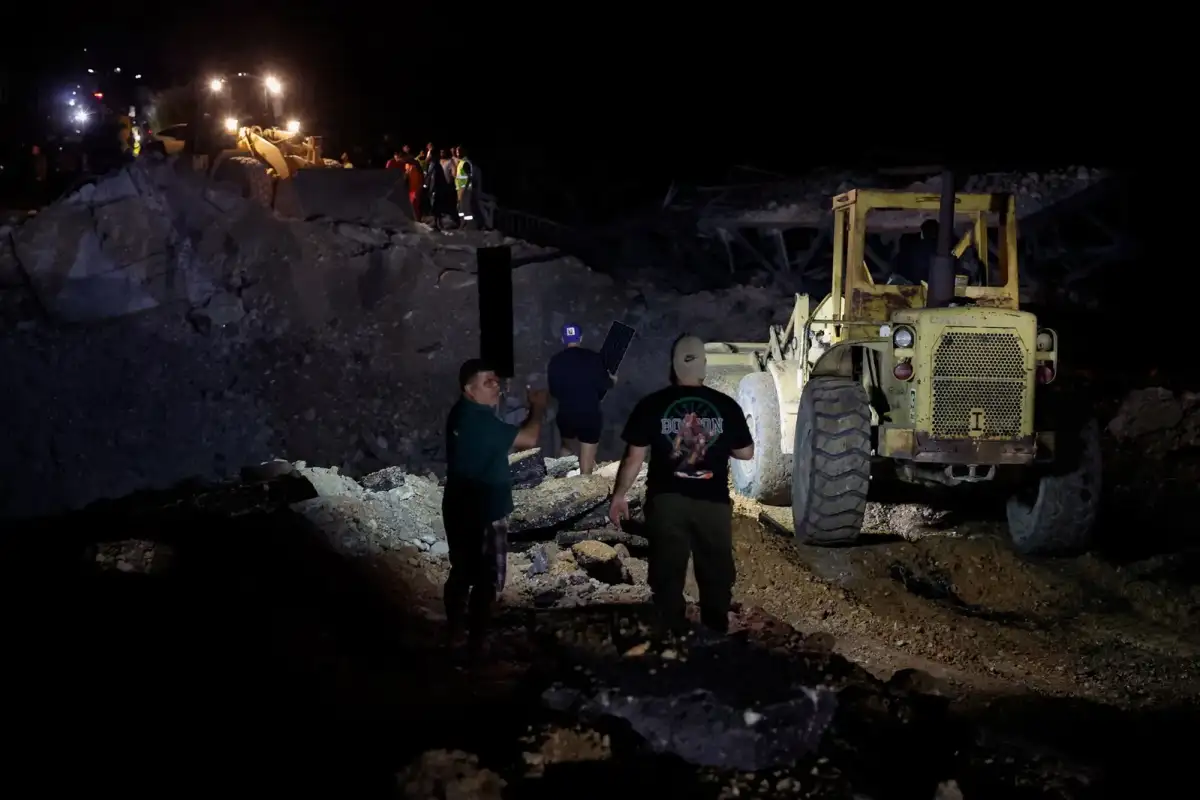
Despite the ceasefire announcement, Israel has stated its military will maintain its presence in southern Lebanon, a move met with insistence from Hezbollah for a "comprehensive halt to attacks across all Lebanese territory." Lebanese officials and Hezbollah have also urged residents in affected areas to exercise caution and not return home immediately, citing concerns over potential violations. Indeed, reports indicate intermittent shelling on southern Lebanese villages shortly after the ceasefire's inception, with Israel's military stating they are investigating these claims.
Read More: Opposition Parties Support 'Cockroach' Youth Movement, Congress Silent
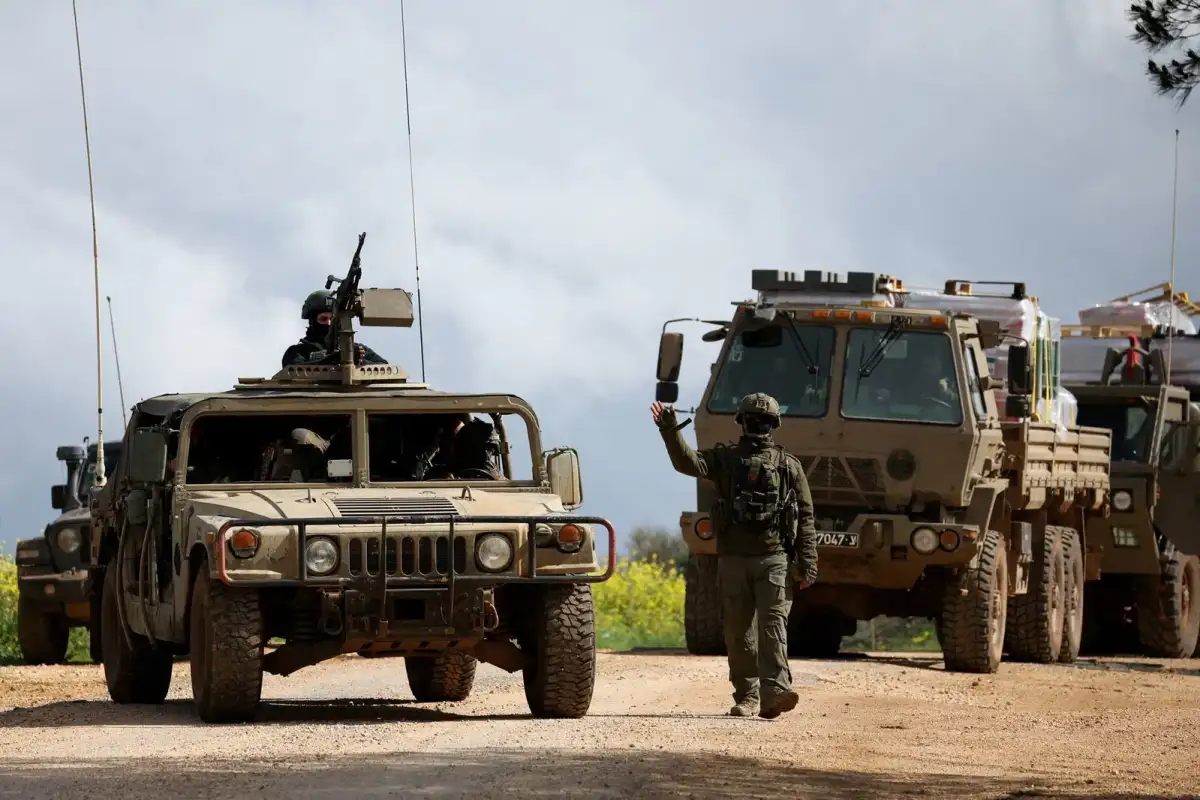
The ceasefire marks a significant, albeit fragile, diplomatic achievement. It follows direct talks between Israeli and Lebanese representatives in the US on Tuesday, the first such engagement in decades. While Iran's foreign ministry has welcomed the Israel-Lebanon truce as part of the broader US-Iran agreement, differing interpretations of the ceasefire's scope persist. US and Israeli officials maintain that Lebanon was not initially included in the Iran ceasefire, countering Tehran's assertion that the Lebanon truce is an extension of their deal.

In parallel developments, President Trump has publicly criticized Australia, accusing the nation of insufficient assistance in the Strait of Hormuz, even as Canberra increases its defense spending. A significant fire at an Australian oil refinery in Geelong has added to domestic anxieties.
Background to the Conflict and Ceasefire Efforts
The current escalation has seen the United States enforcing a maritime blockade on the Strait of Hormuz, shifting its strategy towards economic and naval pressure against Iran. This follows a period of heightened conflict, with Israel launching attacks on Iran on February [Date].
Read More: US Warns of Increased Israeli Spying Threat
Key players in the diplomatic efforts include:
Donald Trump: US President, who announced and facilitated the Israel-Lebanon ceasefire.
Benjamin Netanyahu: Israeli Prime Minister, who agreed to the ceasefire to "advance" peace efforts but insisted on retaining troop presence.
Joseph Aoun: Lebanese President, who engaged in direct talks with Israeli leadership.
Hezbollah, designated an Iranian proxy group, has been a central combatant against Israel in Lebanon. The group initially expressed reservations about the ceasefire, demanding a full cessation of attacks across Lebanon, and has previously called for Lebanon to withdraw from broader ceasefire talks. Trump has urged Hezbollah to "act nicely" during this period.
Earlier this week, the US House of Representatives narrowly failed to pass a war powers resolution aimed at curtailing President Trump's military actions in Iran. The US Central Command has reported turning back numerous vessels since the implementation of Washington's blockade of the Strait of Hormuz.
The situation remains fluid, with calls for the ceasefire to be "fully" respected from UN officials. The broader US-Iran truce is set to expire next Wednesday, adding another layer of uncertainty to the region's stability.
Read More: Gwyneth Paltrow Says She Is Not Republican After Husband's Mistake