Tensions Flare in Strait of Hormuz as Iran Accuses US of Ceasefire Violation
Iran's military has vowed a swift response after US naval forces fired upon and seized an Iranian-flagged cargo ship in the Gulf of Oman on Sunday, April 19, 2026. Tehran explicitly stated that this action constitutes a violation of the existing ceasefire and warned of imminent retaliation. The incident occurred as the ship attempted to navigate a US naval blockade aimed at Iranian ports, leading Iran to fully reclose the strategic Strait of Hormuz waterway. This escalation directly challenges the fragile peace efforts and casts a dark shadow over upcoming diplomatic engagements.
The US military confirmed that forces fired on the vessel, the M/V Touska, after a six-hour standoff, disabling its engines. The ship was reportedly en route from China to Iran's Bandar Abbas port. This act has been labelled a "clear war crime" by Hezbollah and a "ceasefire breach" by Iranian officials. The seizure of the ship, which occurred on Sunday, has already precipitated a sharp rise in crude oil prices, with US benchmark crude gaining 5.6 percent and Brent crude up 5.3 percent amid renewed fears of supply disruption.
Read More: Iran Refuses US Talks After Ship Seizure, Strait of Hormuz Closed
Diplomacy in Jeopardy Amidst Escalating Hostilities
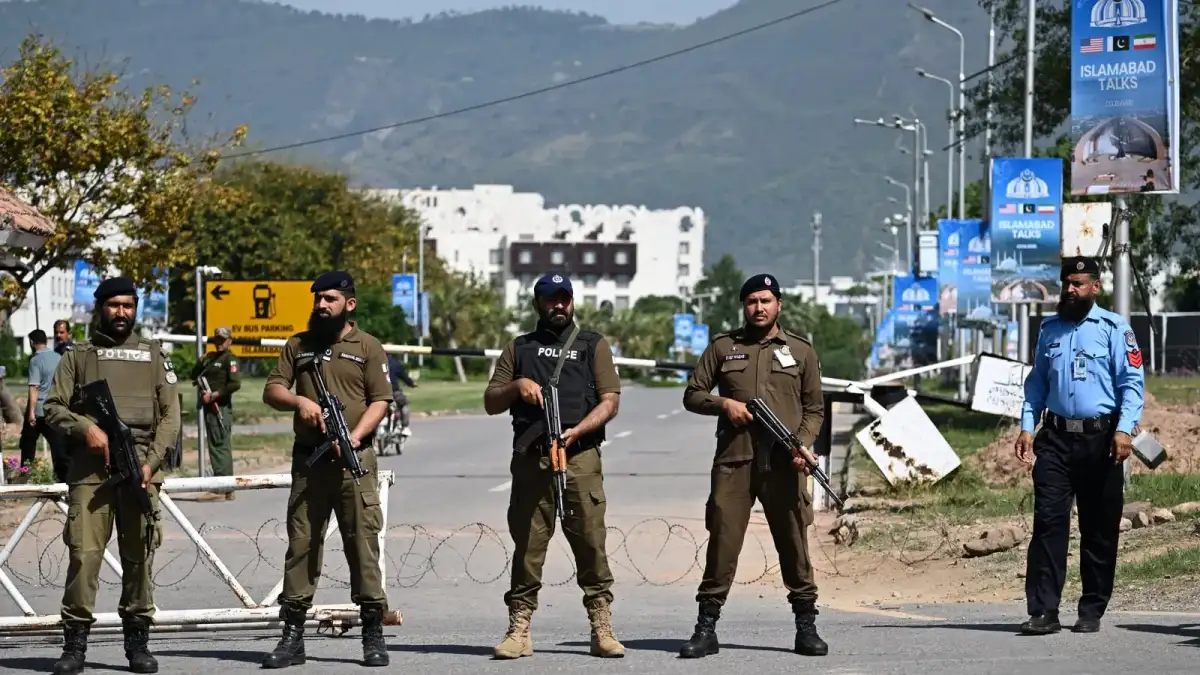
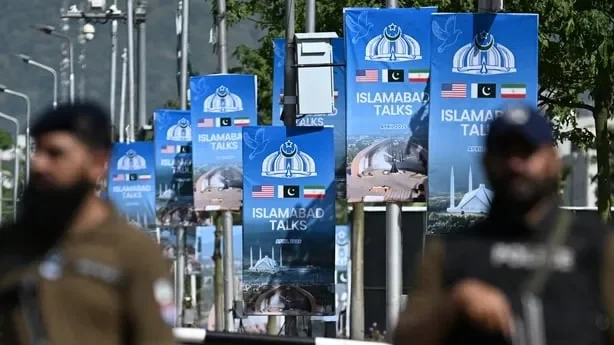
The seizure has thrown planned peace talks between Iran and the US into significant doubt. While US President Donald Trump announced that American negotiators would be in Pakistan on Monday for a second round of talks, Iran's Foreign Ministry spokesperson, Esmaeil Baghaei, stated that Tehran has "no plans" for a new round of discussions. Baghaei cited the ongoing Israeli strikes in Lebanon, the US blockade of Iranian ports, and the recent cargo ship seizure as "clear examples of aggressive acts" that undermine trust in American diplomacy.
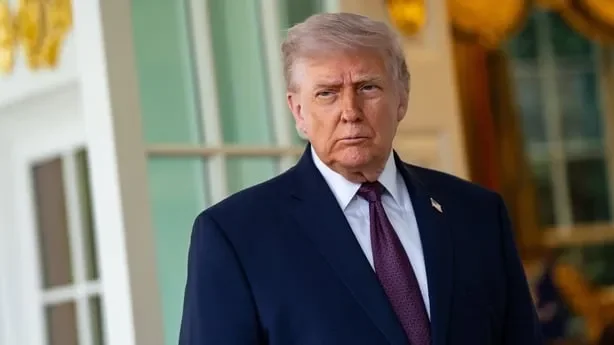
Iran's ambassador to Russia, Kazem Jalali, echoed this sentiment, asserting that "what Trump could not achieve in war, he will not achieve in negotiations," and that the conflict had strengthened Iran's resolve. Iran's preconditions for entering further talks include a ceasefire in Lebanon, an end to the US blockade on Iranian ports, and progress on asset releases. The foreign ministry has also indicated that decisions regarding future talks are pending, with some Iranian media suggesting no plans to attend the Islamabad discussions.
Read More: IDF Soldier Smashes Jesus Statue in Lebanon; Army Investigates

Background and Wider Conflict Dynamics
This incident unfolds against the backdrop of a protracted US-Israeli war on Iran, which began on February 28, 2026, following Iran's nuclear program talks with the US. Last year's 12-day war also commenced during similar diplomatic negotiations. Further complicating the regional picture, Israel initiated a conflict with Lebanon on March 2, targeting Hezbollah after rocket fire directed at Israel, which followed US-Israeli airstrikes in Tehran that killed former Iranian Supreme Leader Ali Khamenei.
A US-backed ceasefire between Israel and Lebanon, brokered on April 17, 2026, had been a cornerstone of the broader peace negotiations. However, Iran's accusation of a ceasefire violation and its retaliatory measures, including the reclosure of the Strait of Hormuz, now threaten to unravel these efforts. Reports also suggest Iranian forces have engaged with US military ships, and Iranian state media claims IRGC forces forced US troops to retreat from the Strait of Hormuz. The internet has reportedly been shut down in Iran for a 52nd consecutive day, adding another layer of internal tension.
Read More: US Seizes Iranian Ship in Gulf of Oman, Causing Oil Price Rise