A Double Bind: Bombs Fall, Prisons Loom
Iranian citizens, particularly those imprisoned for political dissent, find themselves caught in a dire predicament. Amidst ongoing 'bombardments' targeting the nation, the incarcerated face fears that often surpass the perceived threat of aerial assaults. Accounts from relatives and observers suggest that conditions within prisons compound the danger, with concerns escalating over inadequate medical care, potential 'starvation', and the specter of 'secret executions'.

The fear is palpable: for political prisoners, the prison itself has become a more terrifying prospect than the bombs falling from the sky. This sentiment arises as families grapple with the dual threats of external attacks and the internal decay of penal institutions. Reports detail widespread 'influenza' outbreaks in facilities housing thousands, where access to even basic medical attention is scarce, exemplified by a single doctor attending to up to 4,000 inmates.
Read More: Iran Zagros Mountain Nuclear Site Construction Update April 2026

The Specter of Violence: Beyond Aerial Strikes
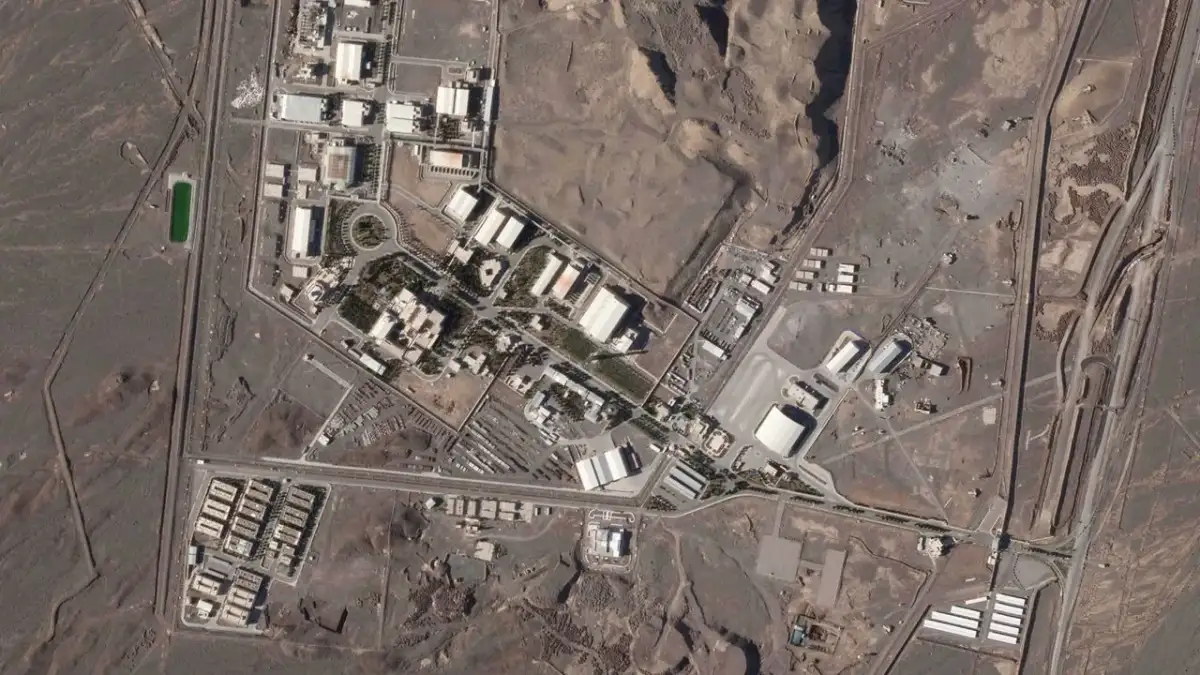
While international 'airstrikes' escalate, striking 'residential areas' and other targets across Iran, the plight of political prisoners intensifies. Reports indicate that even targeted strikes on prisons, such as those on 'Evin prison', place these vulnerable individuals at grave risk. Human rights groups have voiced alarm, noting that '54 political prisoners on death row' are in severe peril. The argument is being made that such actions, regardless of intent, could inadvertently exacerbate the suffering of those already detained.

Limited Escape Routes: For those within the confines of facilities like Tehran's jails, the option to flee the bombardments is non-existent. They are left 'helpless and trapped', with no avenue for escape from either the external attacks or the internal dangers.
Broader Civilian Impact: The 'bombings' have not spared the general populace. Residents in Tehran report receiving 'no warnings about impending attacks', leading to civilian casualties that rights groups state have surpassed '700'. This indiscriminate impact contributes to a pervasive sense of fear and a desire among some civilians to 'flee to smaller cities'.
Defiance Amidst Fear: Despite the crackdown and the heightened risk, instances of defiance persist. Reports highlight 'women defying fear', engaging in protests and chanting 'anti-regime slogans', even as such actions reportedly lead to 'more deaths'.
Inside the Walls: A Different Kind of Terror
Accounts from inside Iran paint a grim picture of life for those imprisoned. For women, the experience can be particularly harrowing. Details emerge of conditions that raise serious concerns, including the 'risk of miscarriage' for pregnant inmates and limited contact with the outside world. In one instance, a woman was allegedly only allowed an 'ultrasound scan' after four months of pregnancy, and even then, faced restrictions on family visits. The presence of 'interrogators' as the primary human contact underscores the isolating and oppressive nature of these environments.
Read More: 40 Die in Quetta to Peshawar Bus Crash in Balochistan on April 3 2026

The Prison as a Site of Suffering: The assertion that "People Fear Iran's Prisons More Than Bombs" encapsulates a broader narrative of systemic hardship. The conditions described – illness, inadequate care, and potential abuse – suggest that the institutions meant to hold individuals are themselves sources of profound suffering.
External Interventions and Internal Realities: While some external forces may claim to seek 'freedom' or 'democracy', observers like KJAR express skepticism that these interventions will directly benefit the prisoners. The immediate focus, for many connected to those incarcerated, remains the tangible dangers within the prisons.
Background: A Nation Under Siege
The current situation in Iran is marked by a complex interplay of internal repression and external conflict. The ongoing 'bombardments' by joint US and Israeli forces, targeting various locations including 'residential districts', have plunged the nation into a 'deepening crisis'. This external pressure coincides with a 'brutal crackdown' on internal dissent, particularly targeting women who have been at the forefront of protests. The dual assault – from the air and from within the state apparatus – has created an atmosphere of pervasive fear, impacting ordinary citizens and political prisoners alike. The very structures of incarceration, already strained, now face an added layer of danger from the ongoing aerial hostilities.