

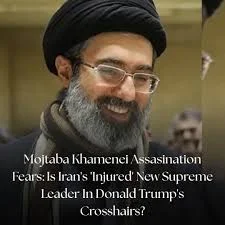
Mojtaba Khamenei, Iran's recently named Supreme Leader, is reported to have sustained injuries amidst the ongoing conflict. This development follows claims aired on Iranian state television, though details regarding the nature and circumstances of his wounds remain undisclosed. His ascent to leadership was preceded by the death of his father, Ayatollah Ali Khamenei, who was reportedly killed in Israeli strikes on Tehran. The uncertainty surrounding Mojtaba Khamenei's condition and the circumstances of his injury feeds into broader anxieties about his security and the direction of Iran's leadership during this volatile period.

The appointment of Mojtaba Khamenei signals a commitment to continued confrontation, according to analysts familiar with regional politics. His selection, described as defiant against external pressures, indicates Iran's rejection of compromise and a potential embrace of prolonged resistance. This trajectory has been compared to the survival of regimes like Saddam Hussein's Iraq or Bashar al-Assad's Syria following periods of intense conflict and isolation. His hardline stance is seen as a direct message to adversaries like the United States and Israel, suggesting an unwillingness to de-escalate.
Read More: Trump says Iran war ending soon, but markets doubt quick peace
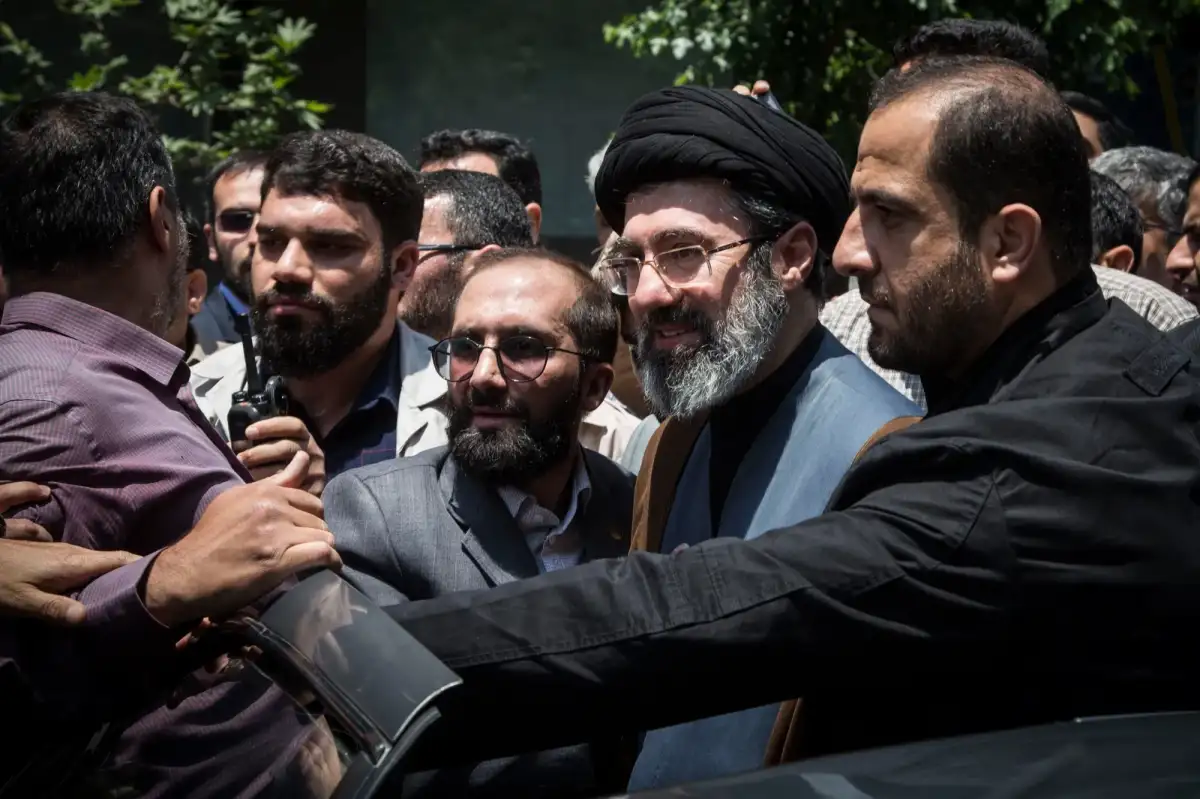
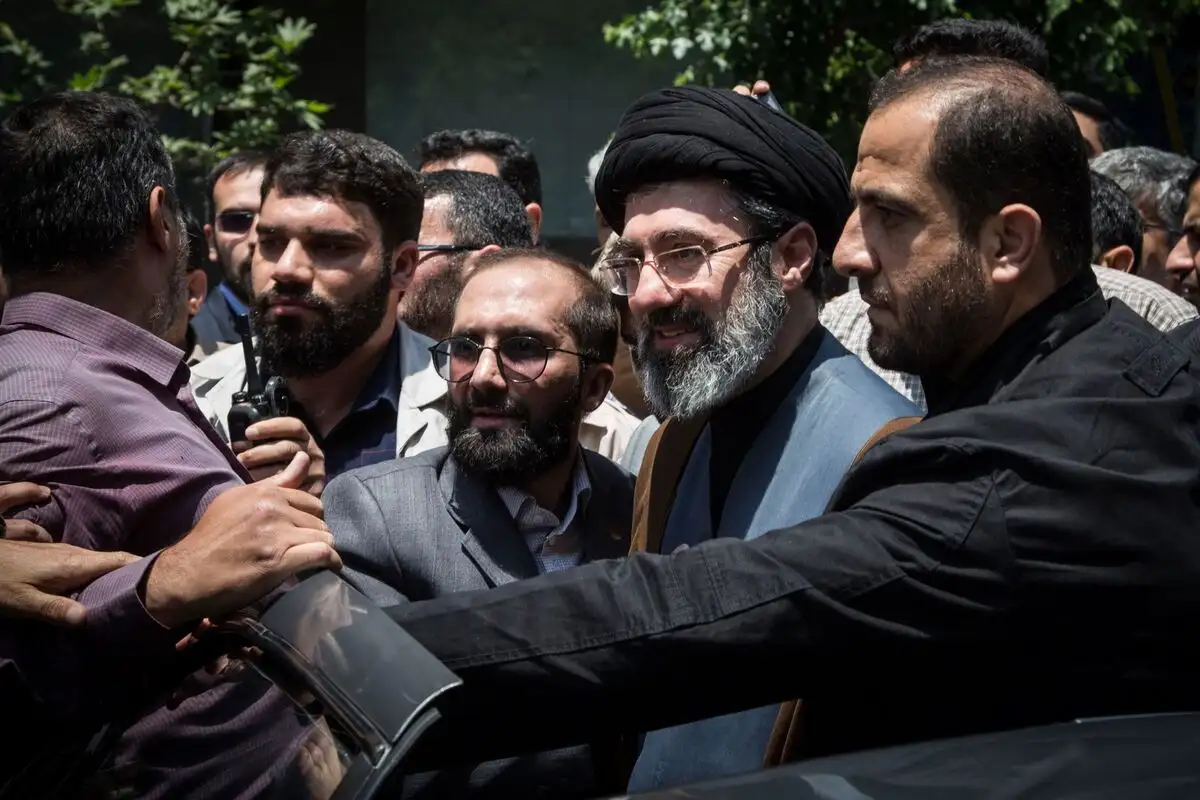
Mojtaba Khamenei, at 56, has reportedly cultivated influence within Iran's security apparatus, particularly the 'Islamic Revolutionary Guard Corps' (IRGC), and its clerical and business elites. His leadership role, though not formally held in government previously, is significant as the Supreme Leader holds ultimate authority over Iran's foreign policy and other critical state functions. His consolidation of power is viewed as a reinforcement of his father's hardline theocratic rule, with analysts suggesting his election puts Iran on a path of further confrontation rather than diplomatic overtures. His marriage to Zahra Haddad Adel, daughter of a prominent hardliner, further solidifies his political ties.
"This tells Trump and Washington that Iran will not back down, they will fight on until the finish." - Gulf source familiar with regional government thinking.
The leadership transition occurs against a backdrop of escalating hostilities. Joint US-Israeli strikes have targeted infrastructure within Iran, while Iranian missiles and drones have reportedly hit targets in Gulf states, broadening the regional scope of the war. The delays in formally confirming Mojtaba Khamenei's succession have been interpreted as potential signs of internal tensions between military and civilian factions within the Iranian leadership. Despite the lack of formal announcement from some quarters, his designation is seen by observers as a definitive move by the Iranian establishment to project resilience and a steadfast approach to the ongoing crisis.
Read More: Dubai Airport Drone Strike on Feb 28 2026 Halts Flights for Passengers
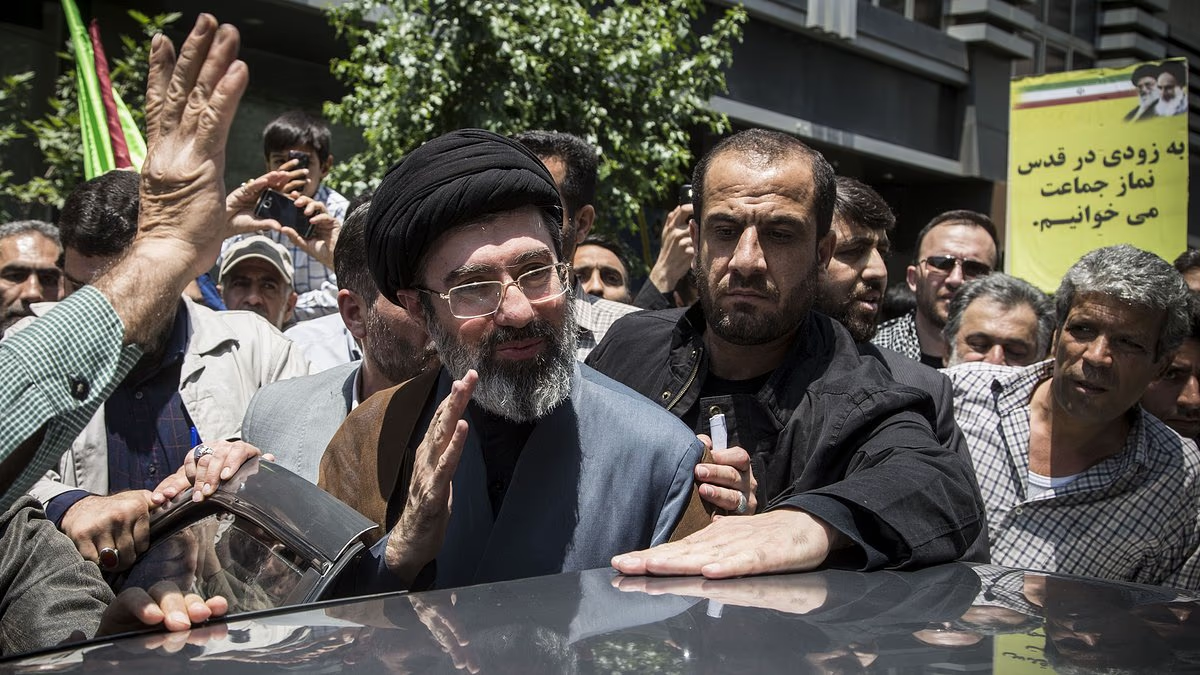
While some reports have speculated about Donald Trump's stance on Iran's succession, particularly his alleged uncertainty regarding who would follow the late Ayatollah, the reported appointment of Mojtaba Khamenei suggests Iran is forging its own path. The focus on Mojtaba Khamenei, described by some as a figure unlikely to pursue diplomatic compromise, suggests an Iran braced for extended conflict and isolation.
Mojtaba Khamenei’s path to leadership has been characterized by a relatively low public profile, focusing instead on building influence within key state institutions. His father, Ayatollah Ali Khamenei, led Iran for decades, maintaining a firm grip on power. The current upheaval marks what is described as the most significant existential threat to the Islamic Republic in its nearly 50-year history.