

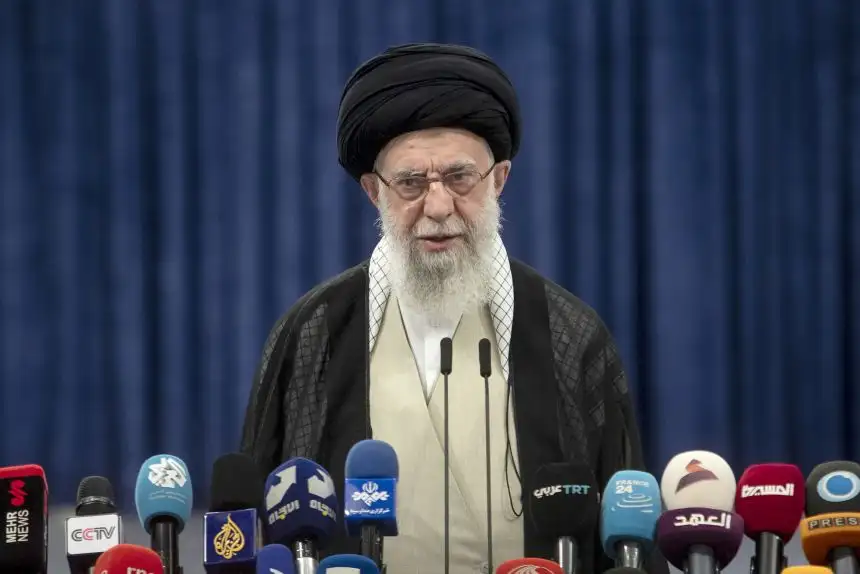
DAYTIME ASSAULT TARGETS LEADERSHIP IN TEHRAN
Intelligence from multiple sources indicates that Iran's Supreme Leader, Ayatollah Ali Khamenei, has been killed in a targeted daytime assault on Tehran, attributed to a joint operation by the United States and Israel. The strike, described as an "extraordinary daytime assault," reportedly focused on Khamenei's high-security compound in the Iranian capital.
The operation, reportedly planned for months, was apparently accelerated when intelligence confirmed Khamenei's attendance at a meeting with top advisers, including Shamkhani and Ali Larijani, at his compound. Sources familiar with the planning suggest that Israeli jets executed the strike, firing a significant number of precision munitions. The timing capitalized on Khamenei's perceived reduced vulnerability during daylight hours.

Details surrounding the precise nature of the attack remain somewhat opaque, with descriptions ranging from "air and naval operations" to "missiles from space." The US reportedly provided crucial intelligence collection methods and technological assets, while Israel is credited with establishing networks of agents on the ground for human intelligence and covert operations within Iran. Analysts suggest these agents were more readily recruited in Iran due to opposition to the ruling regime.

COLLATERAL IMPACT AND INTELLIGENCE GATHERING
The strike is reported to have decimated the senior ranks of Iran's intelligence agencies, with follow-on strikes hitting locations where intelligence leaders were staying. Iran's top intelligence officer, however, is said to have escaped. Khamenei, 86, had been Iran's supreme leader since 1989, succeeding Ruhollah Khomeini. His death leaves a void in leadership, with speculation mounting about a swift election for a successor.
Read More: Kerala Congress Warns Against Early Candidate Talks Before Polls

The effectiveness of the operation is linked to what has been described as "exquisite intelligence collection methods" employed by the US, including the use of hacked traffic cameras and advanced algorithms that provided detailed information on security personnel. The CIA reportedly tracked Khamenei's location for several months, relaying insights to Israeli counterparts, which ultimately hastened the timeline for the strike to exploit the identified opportunity.
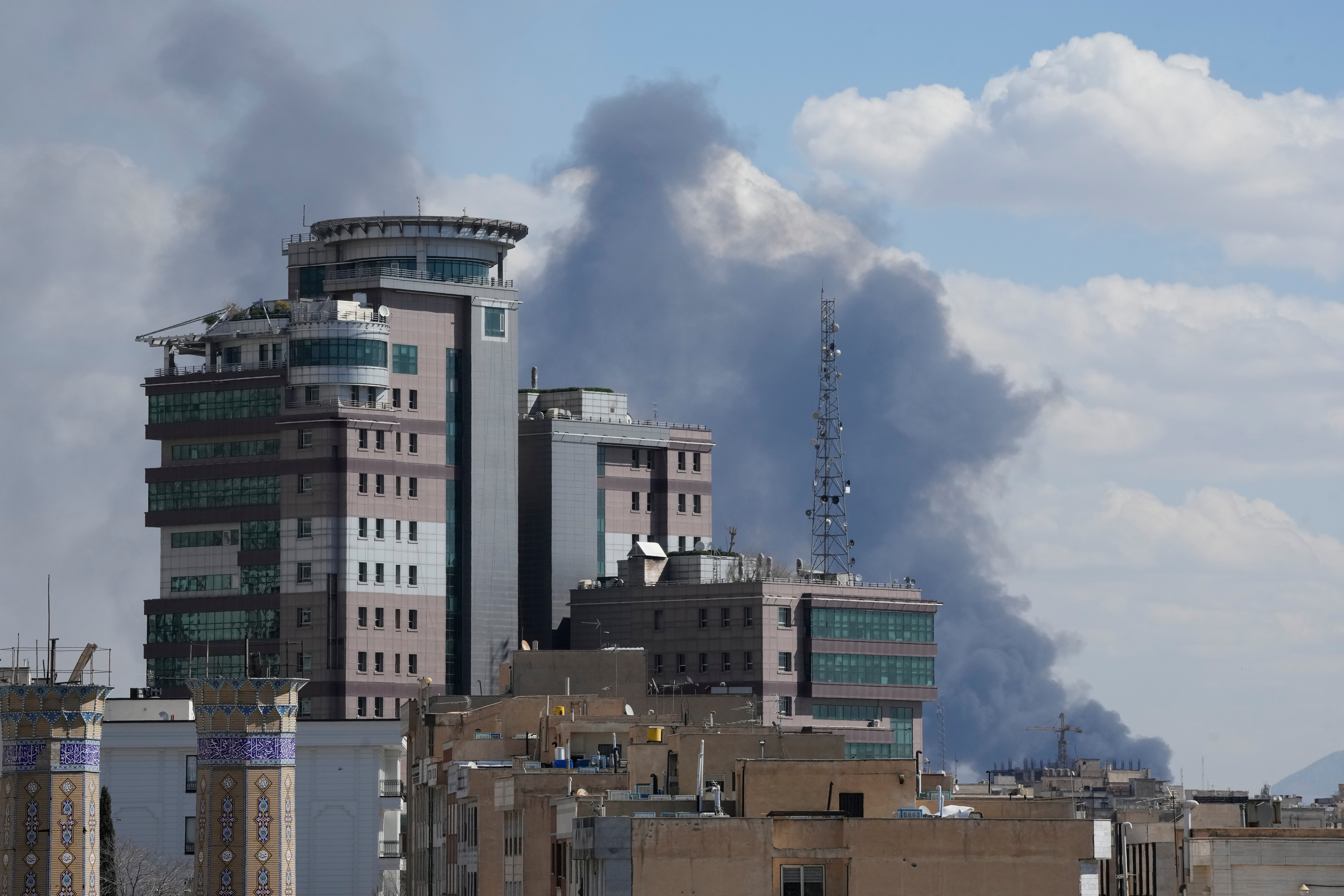
BACKGROUND AND IMPLICATIONS
The reported assassination of Ayatollah Ali Khamenei follows a period of heightened tensions and threats between Iran and figures like Donald Trump. The operational details suggest a high degree of coordination and technological integration between US and Israeli intelligence and military apparatus. The ability to conduct such a precise and impactful strike within Iranian territory, targeting its highest leader, points to significant capabilities in intelligence gathering and covert action.
Read More: India PM Modi Congratulates Nepal After RSP Surges in Elections
The geopolitical ramifications of Khamenei's death are yet to fully unfold. The successor to Iran's supreme leader remains unclear, with reports suggesting that the country's ruling clerics could elect a new leader within days. This development could reshape regional dynamics and international relations.