

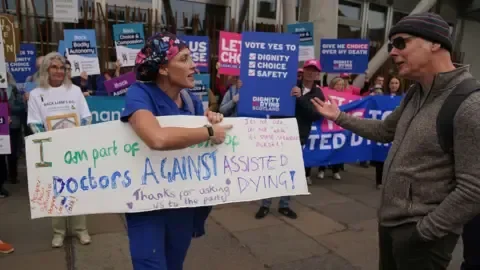
The Scottish Parliament is entering a critical phase of debate over the Assisted Dying for Terminally Ill Adults (Scotland) Bill, with MSPs set to deliberate on approximately 300 proposed amendments before a final vote expected next week. If enacted, the legislation would permit terminally ill, mentally competent adults to seek assistance in ending their lives.
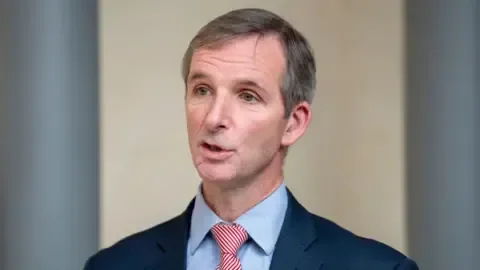
Key political figures are signalling significant opposition, with Scottish Conservative leader Russell Findlay confirming his intention to vote against the bill, a shift from his earlier support. Scottish Labour leader Anas Sarwar has also declared his opposition. This comes despite polling suggesting a majority of Scots across constituencies favour assisted dying.

Amendments and Safeguarding Concerns
MSPs are preparing for extended sessions to scrutinize a substantial number of amendments. A central point of contention revolves around the inclusion and potential removal of certain provisions. Health Secretary Neil Gray has indicated that parts of the bill concerning employment protections for medical professionals who object to assisted dying, and the regulation of health professionals, may fall outside Holyrood's devolved powers. These specific clauses might require retrospective amendment if the bill progresses.
Read More: Bayer pays 7.25 billion dollars to end Roundup lawsuits and help cancer patients

Concerns regarding the protection of vulnerable individuals and the potential for coercion remain prominent. Opponents of the bill frequently cite fears that individuals could be pressured into ending their lives. Proponents, however, argue that the bill offers a compassionate choice for those facing terminal illnesses.

Eligibility and Conditions
Should the bill pass in its current form, eligibility for assisted dying would hinge on several criteria. Individuals must be terminally ill, with a condition expected to be fatal. Crucially, they must be deemed mentally competent and capable of requesting an assisted death. The confirmation of these conditions would require the assessment of two doctors. Discussions have also touched upon raising the age limit for eligibility from 16 to 18.
Political Landscape and Upcoming Votes
The path of the Assisted Dying for Terminally Ill Adults (Scotland) Bill has been marked by shifting stances and divided opinions within the parliament. First Minister John Swinney previously stated he would not support the bill prior to a stage one vote. Several MSPs who initially supported the bill have indicated they are still undecided, awaiting the outcomes of amendment debates before committing their final vote. The bill's fate is now balancing on the outcome of these intensive debates and the final vote scheduled for next week. A similar bill has already passed an initial vote at Westminster, indicating a broader national discussion on the issue.
Read More: Cairngorms National Park bans campfires and barbecues until September 2026


