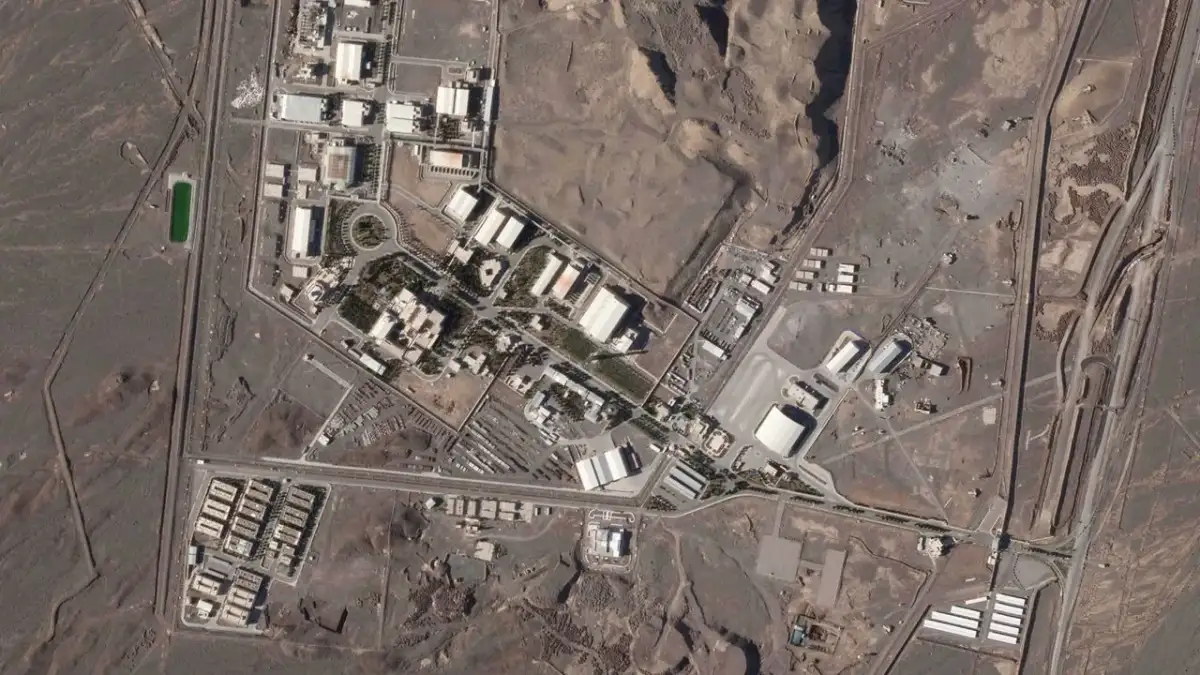
A classified assessment by the National Intelligence Council, representing 18 U.S. agencies, concluded one week before the current military campaign began that no amount of bombing or institutional dismantling would likely result in the collapse of the Iranian regime. The report, finalized just days before the February 26 start of Operation Epic Fury, argues that the clerical and military framework of the state is designed to withstand the death of its figureheads through rigid, redundant succession protocols.
“The regime has established clear protocols to ensure survival even if high-ranking leaders are killed.” — NIC Assessment summary.
The intelligence community warned that the Iranian opposition remains too fragmented and weak to seize power, regardless of the scale of foreign intervention.
The death of Supreme Leader Ayatollah Ali Khamenei in an Israeli airstrike on the first day of the campaign has not triggered the systemic collapse predicted by some advocates of the war.
Current and former officials indicate that the National Intelligence Council assessment was bypassed or ignored as Donald Trump continues to demand an "unconditional surrender" and a personal hand in selecting the next Iranian leader.
THE KINEMATICS OF INERTIA
Despite the loss of the Supreme Leader, the clerical and military establishment remains entrenched. The NIC report suggests that the state’s internal logic is not tethered to a single individual but to a calcified bureaucracy that views survival as a collective mechanical function. This reality clashes with the White House's public stance, where Trump has compared the current situation to the installation of Delcy Rodriguez in Venezuela, asserting he must "personally approve" the next Iranian leader.
Read More: Taiwan Holds Nantou County Drills to Prepare for State Collapse

| Scenario | Intelligence Assessment | Presidential Stance |
|---|---|---|
| Targeted Strikes | High continuity; protocols trigger immediately | Immediate path to "selecting" a new leader |
| Broad Assault | Institutions remain functional; opposition too thin | Leads to "Unconditional Surrender" |
| Regime Change | Unlikely through military force alone | Expected outcome of the campaign |
THE BROKEN TOOLS OF PERSUASION
The campaign, labeled Operation Epic Fury, was designed to gut Iran's missile, naval, and nuclear capabilities. However, intelligence analysts argue that destroying hardware does not delete the governing software. The Israeli strike on the building housing the body tasked with electing the new leader—the Assembly of Experts—appears to have been an attempt to force a collapse that the NIC report explicitly called improbable.
Trump has expressed private interest in deploying small groups of U.S. ground forces for "strategic purposes."
Mohammad Bagher Ghalibaf, Iran’s Parliament speaker, has publicly rejected the idea of American interference in the succession.
Russia has entered the fray indirectly, providing intelligence to Iranian forces to target U.S. assets, further complicating the "regime change" calculus.
BACKGROUND: THE FEBRUARY PIVOT
The war began following an intensifying air campaign by the U.S. and Israel on February 26. While the stated goals were the neutralization of proxy arms and nuclear threats, the subtext quickly shifted toward total political reconfiguration. The National Intelligence Council report serves as a jagged reminder that the military's ability to destroy structures rarely translates into the ability to build states. The White House has refused to confirm if the president was even briefed on these warnings before the first missiles were launched.
Read More: Iran Zagros Mountain Nuclear Site Construction Update April 2026