Tehran's state apparatus has noticeably increased its use of capital punishment against individuals on political and security charges, with reports indicating dozens executed in recent months. At least 32 political prisoners have been put to death since a broader regional conflict began, according to Newsclip data, referencing previous year figures. This count surpasses the 45 political executions Amnesty International recorded for the entire prior year, suggesting a sharp escalation in pace. The UN's Human Rights Office expressed apprehension that the figure for the current year could climb even higher.
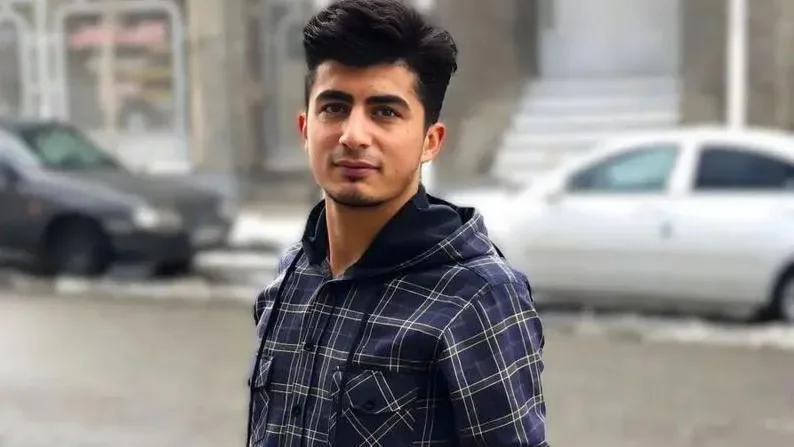
Reports from rights organizations like Hengaw describe a grim pattern of state-ordered killings, often under secrecy. Mehrab Abdollahzadeh, held for 42 months, was executed "earlier this month." Sasan Azadvar, 21, a karate champion from Isfahan, was put to death "last month" or on April 30, despite not being accused of any lethal offense, a threshold generally accepted under international law for capital punishment.
Read More: Taiwan Holds Nantou County Drills to Prepare for State Collapse
Recent Deaths Under State Order
An extensive tally from IranHumanRights.org details many recent executions:
Sasan Azadvar Junaqani: hanged on April 30.
Erfan Kiani: hanged on April 25.
Amirali Mirjafari: hanged on April 21.
Ali Fahim: hanged on April 6.
Shahin Vahedparast: hanged on April 5.
Mohammad Amin Biglari: hanged on April 5.
Amirhossein Hatami: hanged on April 2.
Mehdi Ghasemi: hanged on March 19.
Saleh Mohammadi: hanged on March 19.
Saeed Davoudi: hanged on March 19.
Others executed, some on alleged membership in the MEK opposition group, include:
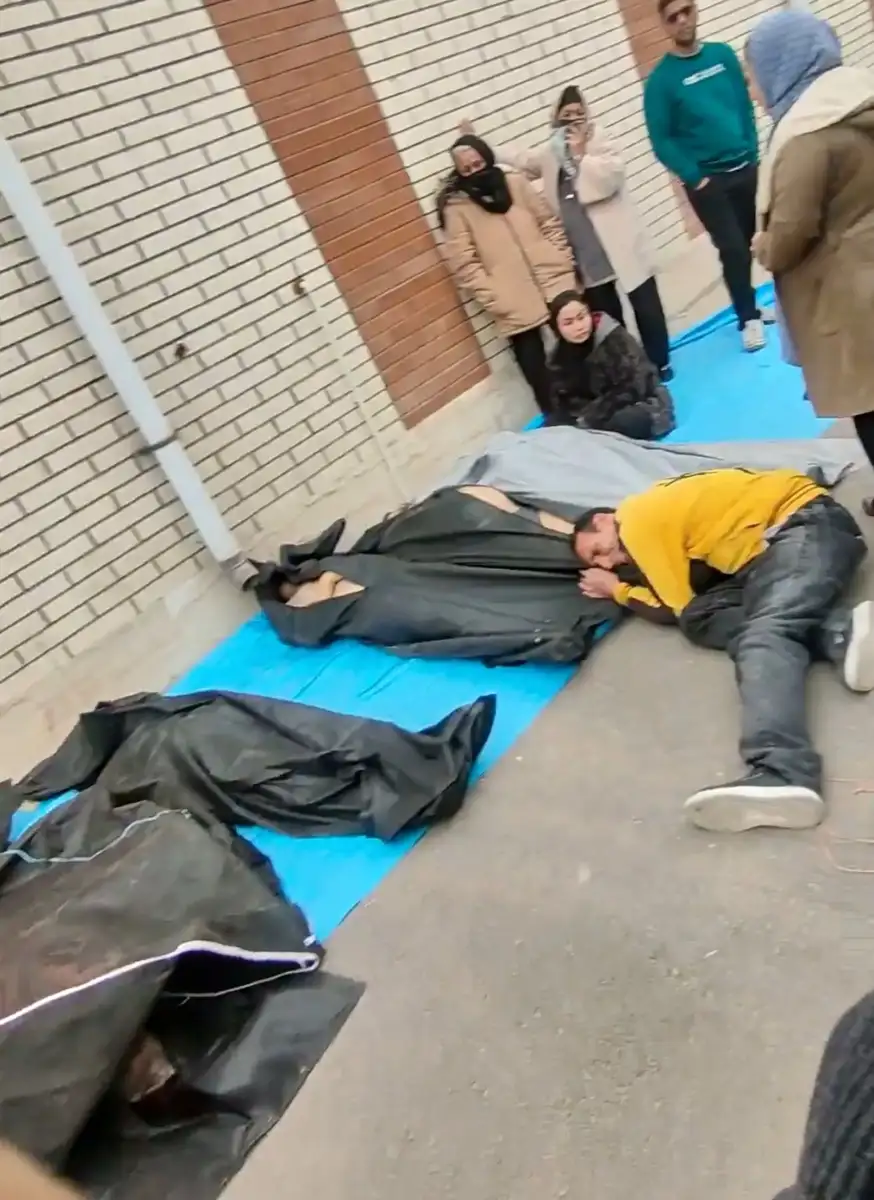
Mohammad (Nima) Masoumshahi: hanged on April 30.
Hamed Validi: hanged on April 30.
Sultan Ali Shirzadi Fakhr: hanged on April 23.
Abolhassan Montazer: hanged on April 4.
Vahid Bani Amerian: hanged on April 4.
Babak Alipour: hanged on March 31.
Pouya Ghobadi: hanged on March 31.
Ali Akbar Daneshvarkar: hanged on March 30.
Mohammad Taghavi Sangdehi: hanged on March 30.
Among those targeted, Amer Ramesh, an 18-year-old Baluch political prisoner, was hanged on April 26 for alleged opposition ties. For "espionage-related charges," Mehdi Farid was hanged on April 22, and Kourosh Kivani, an Iranian-Swedish citizen, met the same fate on March 18.
Method and Absence of Official Account
These actions follow accusations of torture and denial of legal counsel, according to sources familiar with individual cases. The BBC states that Iranian authorities offered no response to requests for comment regarding this increased application of the death penalty, nor to claims of prisoner mistreatment. Human Rights Activists News Agency (HRANA) records show more than 50,000 individuals arrested across the country. Reza Younesi, a Uppsala University professor, reported on X the forced removal of 22 prisoners from Ghezel Hesar prison on a recent Sunday night. Families, like that of Shervin Bagherian Jabali in Isfahan, have reportedly learned of death sentences through state television broadcasts.
Read More: Iran Zagros Mountain Nuclear Site Construction Update April 2026
Broader Landscape of Crackdown
The intensified executions are perceived by some observers as a tightening grip on internal dissent. Reports suggest this escalation in crackdowns worsened for dissidents "after the U.S. and Israel started the war on the country," as stated by Iranians to ABC News, following President Donald Trump's February remarks. Some of those killed this year faced charges of spying for Israel or the CIA, while others were linked to exiled opposition groups. The UN's Human Rights Office previously warned the death penalty is increasingly wielded to quiet political dissent.