Public safety agencies are operating under conflicting operational protocols regarding wildlife rescue, leading to disparate outcomes for animals trapped in storm infrastructure.
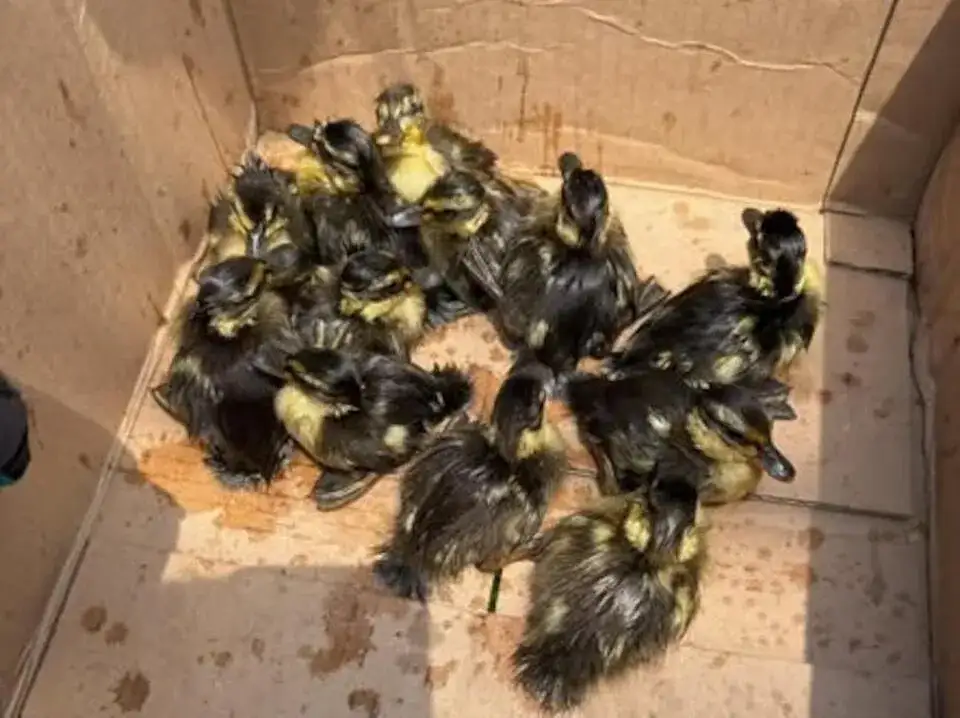
On May 17, 2026, the Canal Fulton-Lawrence Township Fire Department successfully retrieved 11 ducklings from a storm drain near a local Pizza Hut in Ohio, reuniting them with their mother. Conversely, on that same day, residents in Arlington Heights reported that the Northwest Central Dispatch System (NWCDS) and local fire/police departments refused to intervene in a similar scenario, citing internal policies and a lack of available personnel.
| Location | Action Taken | Agency Rationale |
|---|---|---|
| Canal Fulton, OH | Rescue Performed | Humanitarian priority |
| Arlington Heights, IL | Rescue Denied | Policy restriction/resource allocation |
| Coral Springs, FL | Rescue Performed | Standard operational response |
Operational Variance and Policy Barriers
The discrepancy in service highlights a lack of standardized Municipal Policy across jurisdictions.
In Arlington Heights, dispatchers informed callers that no units were available and that existing protocols specifically bar the fire department from responding to wildlife-related calls.
By contrast, Coral Springs-Parkland fire crews characterized such interventions as part of their routine duties, framing the rescue as a coordinated effort requiring professional equipment to ensure the safety of the animals and the environment.
The Role of Civic Expectations
The incident underscores an underlying friction between community expectations and the mandate of emergency responders. While many taxpayers view the Fire Department as a general community safety net, departments are increasingly restricted by rigid definitions of "emergency."
Read More: Spencer Pratt Claims Dog Abuse in Los Angeles Skid Row
"The police department didn’t have a unit available, the animal control officer was off duty on Sunday, and the fire department has a policy against responding to duckling rescue calls." — Report from an Arlington Heights resident regarding NWCDS refusal.
The refusal in Arlington Heights led to criticism from residents, who argued that such operations present minimal risk and high utility. In the absence of a standardized state or national guideline, these animals remain dependent on the Discretionary Policy of individual fire captains or shift commanders. Where the policy is permissive, rescues occur; where the policy is restrictive, the survival of the wildlife is left to chance.