


Tehran insists on receiving "credible guarantees" to prevent further US-Israeli attacks before it can ensure stability and reopen the vital Strait of Hormuz. This demand comes as the two-month war, initiated by a US and Israeli offensive against Iran, continues to disrupt global energy supplies and fuel inflation. Iran's latest proposal to resolve the conflict, currently under review by the Trump administration, reportedly suggests deferring discussions on its nuclear program until after the war and shipping disputes are settled. However, this approach appears to be a point of contention, with the US insisting on addressing nuclear issues from the outset.
Stalemate Deepens, Oil Prices Climb
US President Donald Trump has expressed dissatisfaction with Iran's proposal, citing its failure to directly address Tehran's nuclear ambitions. This divergence in priorities has dampened hopes for a swift resolution to the conflict, which has already sent shockwaves through the global economy. Oil prices have consequently seen an upward trend, with shipments through the Strait of Hormuz remaining limited. Reports indicate that Iran possesses only an estimated 12 to 22 days of oil storage left, underscoring the economic pressures faced by the nation.
Read More: UAE Leaves OPEC, Causing Saudi Arabia Rift on April 30, 2026
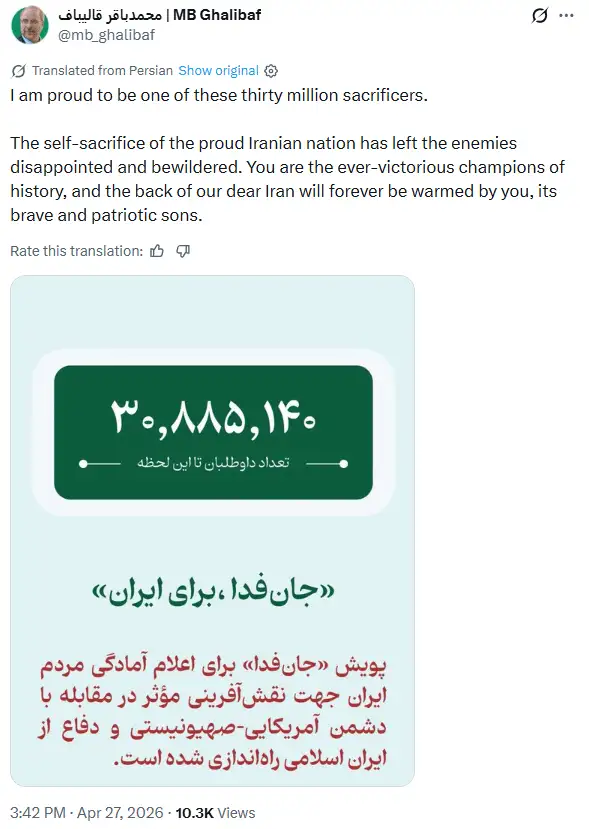
Diplomatic Maneuvers and Regional Clashes
Iranian Foreign Minister Abbas Araghchi has been engaged in diplomatic efforts, visiting Oman for consultations on the Strait of Hormuz and subsequently traveling to Russia for talks with President Vladimir Putin. Russia has stated its commitment to securing peace in West Asia. Meanwhile, the conflict has spilled over into Lebanon, where Israeli strikes have resulted in casualties, including children, despite a fragile ceasefire between Israel and Hezbollah.
Background: A War Ignited
The current conflict erupted approximately two months ago following a US and Israeli offensive against Iran. This offensive was reportedly launched under the pretext of ending a nuclear weapons program, a move Iran claims has damaged confidence in the Non-Proliferation Treaty. The initial US-Israeli bombing of Iran triggered retaliatory missile launches from Hezbollah towards Israel, which in turn led to an Israeli aerial assault and invasion of Lebanese territory. The economic fallout from the war has been significant, contributing to rising inflation and widespread hardship in Tehran. The US has reportedly turned back numerous ships as a blockade continues in the region.
Read More: Jerusalem Post Changes: English Paper's New Direction


