

Market Chaos Unfolds as Gulf Supply Plummets
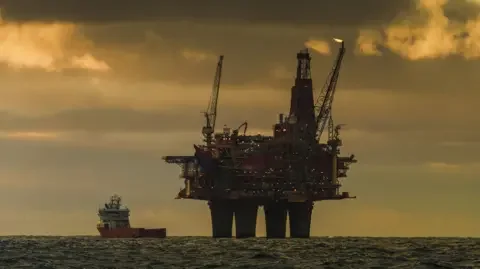
The global oil market is experiencing its most turbulent period in history, with millions of barrels of crude oil now shut in from the Gulf. Most countries in the region are reporting either a slowdown in production or outright force majeure shutdowns, a contractual clause freeing suppliers from liability due to events beyond their control. This drastic reduction in supply has sent shockwaves through the market, leading to an unprecedented surge in oil prices.
The interconnectedness of global energy markets means that even though the US imports little oil from OPEC or Russia, domestic prices are susceptible to shifts in global production. US refineries often rely on imported heavy-sour crude, while exporting lighter grades, creating a complex dependency that amplifies price spikes when international supply chains are disrupted.
Administration in Disarray: "Panic" Over Rising Costs
The Trump administration finds itself in a state of disarray, grappling with the escalating oil costs that have caught officials off guard. Internal discussions reveal a growing sense of "panic" over the spiking price of oil and its sustainability.
Read More: Lactose-Free Milk Aims to Win Back Plant-Based Drinkers in Coffee Shops by 2026
Exploring Options: The administration is reportedly considering a range of marginal, and some more aggressive, measures to stabilize the market.
New restrictions on US exports.
The imposition of price controls.
Direct intervention by the Treasury Department in oil futures markets to exert downward pressure.
Industry Pressure: Officials have also pressed oil industry representatives for accelerated production, though companies have shown little inclination to ramp up output without a clearer outlook on price stability.
Trump's Shifting Stance: From "Drill, Baby, Drill" to Appeasement
President Trump's public statements on the oil crisis present a complex and at times contradictory picture, oscillating between calls for lower prices and apparent attempts to downplay the severity of the situation.
"Everyone should keep oil prices lower or they're playing 'into the hands of the enemy.'"
This message, delivered after the US bombing of Iran's nuclear sites, signals an awareness of the potential for energy supply disruptions to escalate tensions. The phrasing suggests a direct appeal to entities, potentially including the US oil industry itself, to temper price increases amid the geopolitical instability.
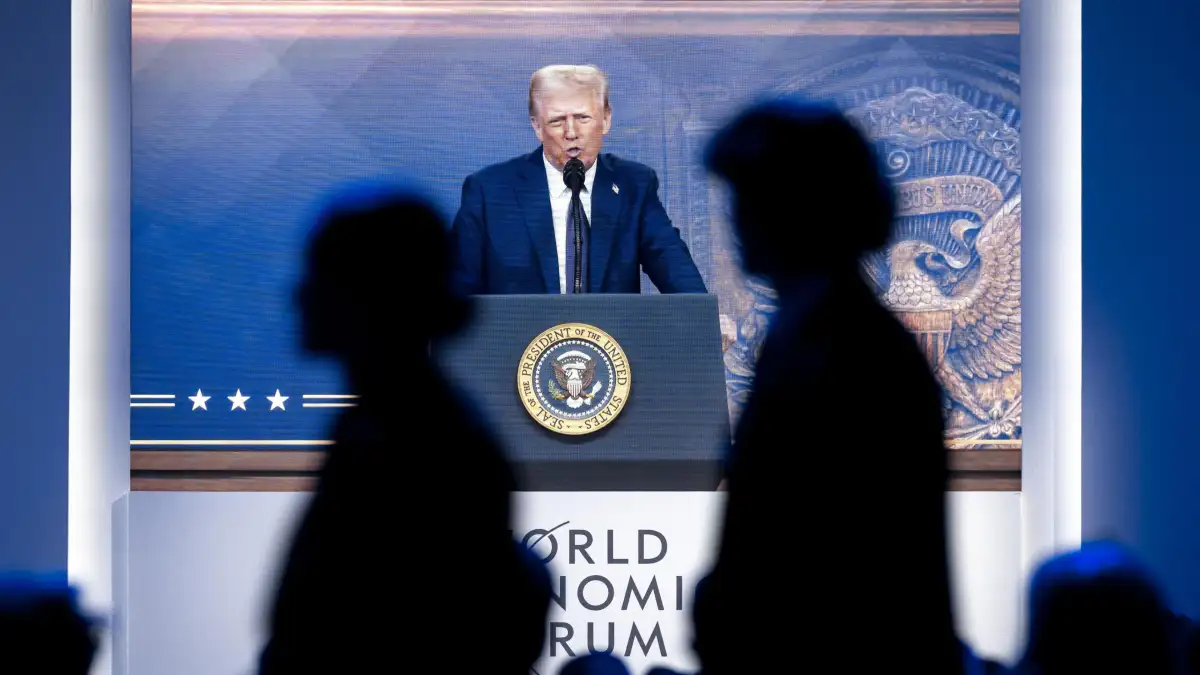
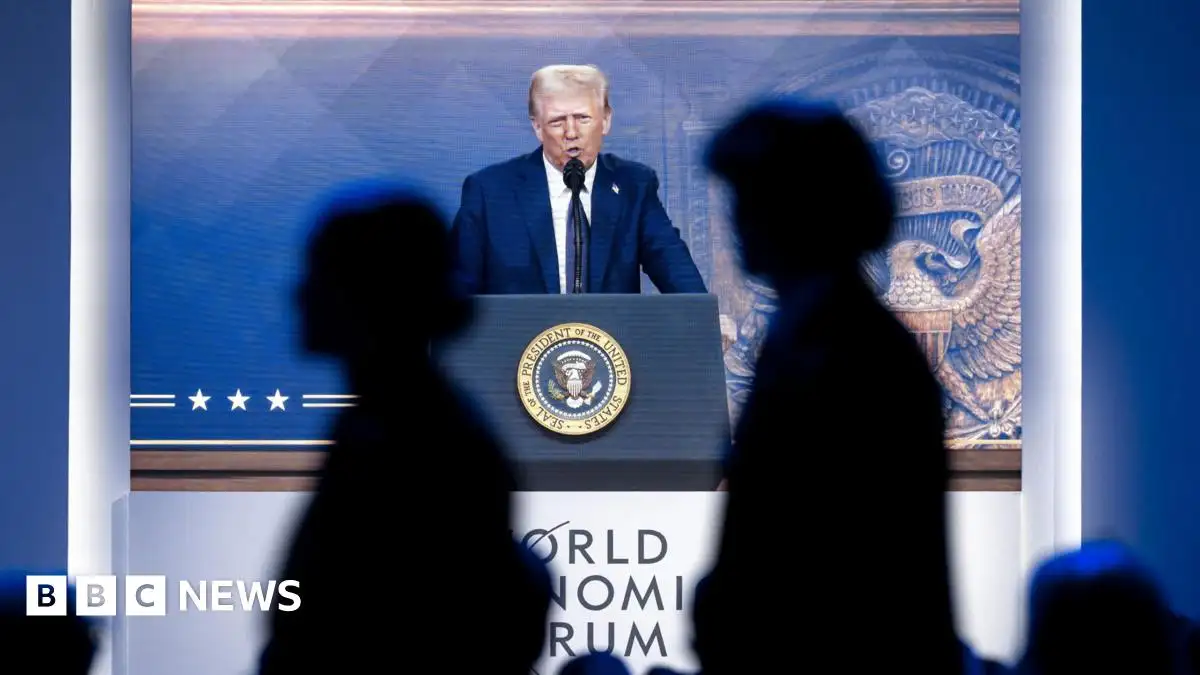
Earlier interventions, such as his appearance at the World Economic Forum, focused on a broader economic agenda, including demands for companies to manufacture in the US or face tariffs. This appears consistent with a long-held desire for lower gasoline prices, a key concern for his voter base.
Read More: Iran Conflict Escalates; World Powers Divided on Response
Historical Precedent and Economic Realities
The current oil crisis echoes historical events, particularly the oil shock following the overthrow of the Iranian regime. Such events historically led to widespread fuel shortages and significant price hikes for consumers.
US Oil Dynamics: The unique structure of the US oil market, involving the export of light-sweet crude and the import of heavy-sour crude for domestic refining, renders US gasoline prices highly sensitive to OPEC production shifts.
Geopolitical Triggers: Past events, like Russia's invasion of Ukraine, have demonstrated how geopolitical conflicts can trigger oil price spikes even when direct US imports from the involved nations are minimal. The conflict with Iran, a major oil-producing region, amplifies this risk considerably.
Background: The Iran Conflict and Market Vulnerability
The escalating conflict with Iran, marked by recent US military actions, has placed global energy supplies under immense strain. The threat of retaliation targeting Middle Eastern energy infrastructure has created a palpable sense of unease in the markets. This comes at a time when some oil companies had already warned of potential production cuts due to previous price lows influenced by Trump's tariffs and OPEC+ supply increases. The current volatility highlights the precarious balance of the global energy system and its susceptibility to geopolitical machinations.