Washington — US Defense Secretary Pete Hegseth declared a "historic and overwhelming victory" on Wednesday, asserting that Iran "begged" for the temporary ceasefire that has halted hostilities. The announcement follows a US-Iran agreement for a two-week pause in fighting, with formal talks slated to begin Friday in Islamabad. Iran has also declared victory and stated that the ceasefire would encompass Lebanon.

The US claims the military operation, dubbed "Operation Epic Fury," has achieved its objectives, including neutralizing Iran's ballistic missile capabilities, rendering its navy "combat ineffective for years to come," and crippling its defense industrial base. Pentagon officials stated that US forces targeted over 13,000 sites within Iran, and that the country's air defense and command-and-control systems have been "decimated."
President Donald Trump had previously issued threats to "wipe out Iran's entire civilisation" and set a deadline for Tehran to reopen the Strait of Hormuz, threatening destruction of its infrastructure if the demand was not met. The current agreement, however, includes a two-week extension of this deadline.
Read More: Israeli Strikes Kill 254 in Lebanon After Ceasefire Talks
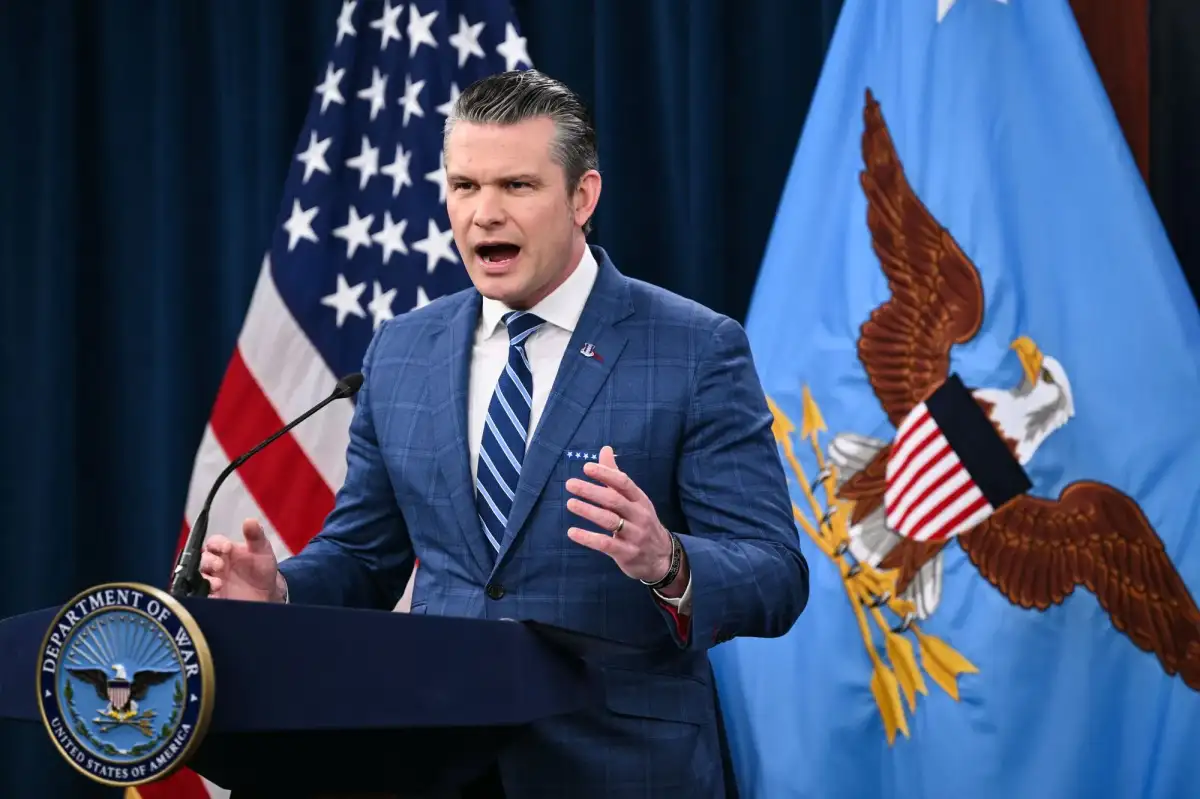
Hegseth framed the situation as Iran being desperate to avoid further escalation. He highlighted that the terms of the proposed agreement ensure Iran will not obtain nuclear weapons.

Iran's Stance and Broader Implications
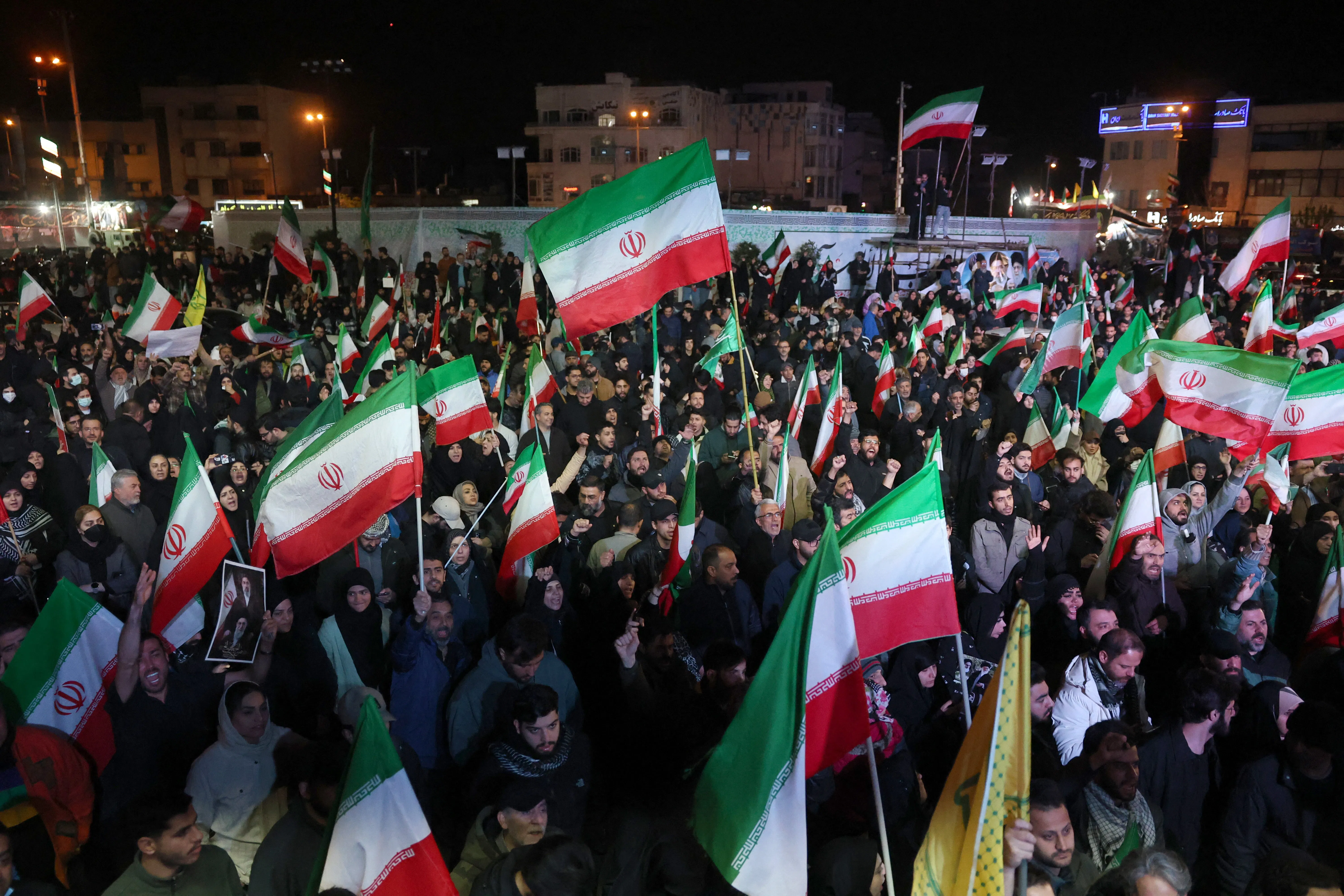
While the US declares a decisive win, Iran has also proclaimed victory and indicated that the ceasefire will extend to Lebanon. This development comes amid warnings from Iran that it will respond to continued Israeli attacks on Lebanon. The Supreme National Security Council of Iran confirmed its acceptance of the ceasefire and the impending formal talks.
The conflict began on February 28th, with the US reportedly shifting objectives and justifications throughout its duration. The agreement comes after Trump pulled back from a threatened full-scale assault on Iran.
Background: Escalation and Objectives
The war, characterized by the Pentagon as "Operation Epic Fury," saw significant US military action. Chairman of the Joint Chiefs of Staff General Dan Caine reported the extensive targeting of Iranian sites. Hegseth also addressed concerns about enriched uranium, stating it is hidden but under surveillance. The US and Israel conducted a joint operation that, according to Hegseth, met all its objectives.
Read More: UK Leader Starmer Distances UK from US Iran War Plans, King's Visit Questioned
The sudden shift towards a ceasefire and negotiations, coupled with both sides claiming victory, introduces a layer of complexity and ambiguity to the immediate aftermath of the conflict. The role of Mojtaba Khamenei, designated successor to Iran's Supreme Leader Ali Khamenei (killed on the first day of the conflict), in these ongoing discussions remains a significant point of interest. The involvement of Pakistan in facilitating formal talks further underscores the regional dimensions of the developing situation.