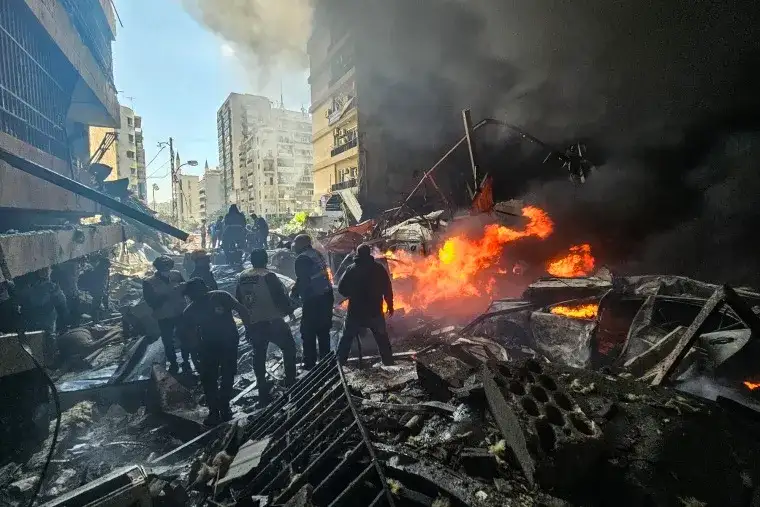
Private communications from within Iran suggest widespread anxiety and calls for public assembly in the streets as President Trump prepared to announce a two-week ceasefire. Reports indicate a sense of panic gripping the nation as a deadline for negotiations approached, with citizens reportedly instructed to bring children to public spaces.
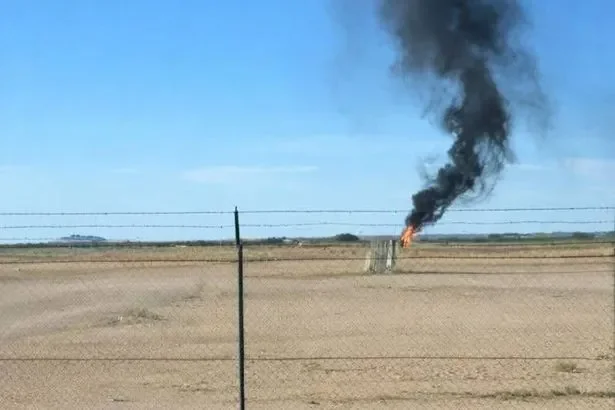
This unfolding situation highlights a critical juncture where internal dissent and external pressures converge, casting a pall over the region. The messages, circulating prior to the ceasefire announcement, paint a picture of a population caught between conflicting narratives and potentially volatile directives.

The ceasefire, framed by some as an opportunity for Iran to "take back their country," follows a period of escalating military operations involving the United States and Israel targeting multiple sites within Iran. These strikes, which reportedly led to retaliatory actions from Iran, have already disrupted regional stability, including the closure of the Strait of Hormuz.
Read More: Rogan Suggests Trump Used Military Action to Distract from Epstein Files

Context of Conflict and International Reaction
The current tension stems from a protracted period of conflict, including a recent 12-day war between Iran and Israel that resulted in over 1,200 casualties, according to Iranian state media. A previous ceasefire, brokered after U.S. strikes on Iranian nuclear sites, failed to hold for more than eight months before the current escalation.

International reactions appear divided. Some analysts criticize President Trump's handling of the situation, citing an "erratic" approach that weakens the U.S. position. Others, like U.S. National Security Analyst MS NOW, have labeled the ceasefire negotiations a "diplomatic snafu." Meanwhile, concerns have been raised about the wider implications, including fears of a new oil crisis following attacks in Lebanon.
Despite the prevailing atmosphere of crisis, some private messages suggest a flicker of hope for a different future, with a desire for the current regime's downfall. This internal sentiment, juxtaposed with the external military actions and the imminent ceasefire, creates a complex and uncertain landscape.
Read More: Iran Agrees To Two-Week Ceasefire With US After Operation Epic Fury